Are Fly Fishing and Handgun Hunting on the Rise in the U.S.?


Many people around the world find enjoyment in the great outdoors; in our increasingly digital and urban lives, outdoor activities help some people unplug and recharge, exercise, and enjoy themselves. Unfortunately, some of the ways that people “enjoy” the outdoors is through activities that actively hurt or kill animals, such as fishing and hunting. According to this 2014 report from the Outdoor Foundation, an organization that promotes outdoor recreation but doesn’t differentiate (ethically) by genre of activity, some activities involving hunting or fishing have become more popular in recent years.
In an online survey of almost 20,000 participants, the researchers found that the average respondent went on about 85 outdoor activity outings in 2013. The amount of outdoor activity was generally level with 2012, but with moderately increased activity among certain age groups (mostly young people). That is the good news. The bad news is that for both youths and adults, some of those trending activities include certain types of hunting and fishing. Among youths ages 6-24, fishing the the third most popular outdoor activity, with 15 million participants (18% of youths surveyed). Among adults ages 25 and over, fishing is the second most popular outdoor activity, with 27 million participants (13% of adults).
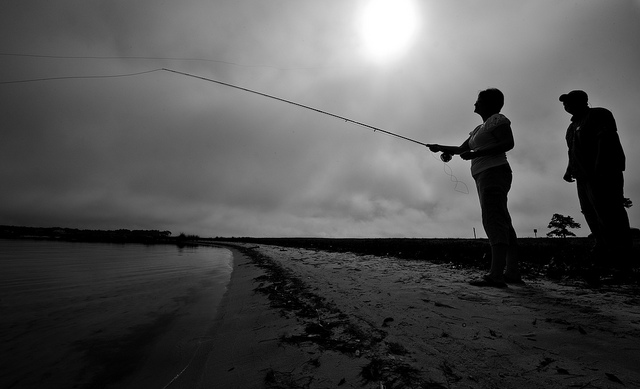
Regarding the trends over the three years from 2010 to 2013, the data provided seem somewhat inconsistent, but the report claims that “kayak fishing” is up by 20% and that hunting with handguns is up by 7.2%. Additionally, fly fishing is said to be up 2.4% over the three years and bow hunting saw an increase of 2.2%. However, the overall trend shows a decline in both fishing and hunting. This is because of a 0.9% decline in the more common activities of freshwater fishing and a very small decline in saltwater fishing. Also, over three years the report indicates that rifle and shotgun hunting, both of which are more common than bow or handgun hunting, have declined by 1.0% and 0.5%, respectively.
For wildlife advocates, the findings present some interesting challenges. Encouraging people to enjoy the outdoors while directing them towards activities that reduce direct or indirect harm to animals may be a challenging task depending on their interests or their motivation level. Also, for people that are already involved in outdoor activities like hunting and fishing, they may be informed and inspired by things like family traditions or ideas about species hierarchy that are pretty deeply ingrained. That being said, one of the bright sides in the adult numbers of this study is that birdwatching is more popular than hunting. If more activities like birdwatching can be encouraged over harmful activities such as fishing and hunting, outdoor activity could keep trending, without having such a negative impact on animals.

Citations:
Outdoor Foundation. (2015). 2014 Outdoor Recreation Participation Topline Report. Retrieved from the Outdoor Foundation Website: http://www.outdoorfoundation.org/research.participation.2014.topline.html