
The Hidden Costs Of The Wild Animal Trade


The commercial wild animal trade exploits thousands of different species across the globe for financial gain in sectors including luxury food, fashion and cosmetics, trophy hunting, entertainment and tourism, medicine, and pet-keeping. The extent of the trade is alarming, not least because the exact numbers of animals who are traded can’t be properly counted because most activity isn’t monitored and is illegal.
Records from the Convention on International Trade in Endangered Species of Wild Fauna and Flora (CITES) show that between 2005 and 2014, almost 54 million wild vertebrates and 36.5 million invertebrates were traded. However, additional data sources like trade and scientific reports indicate the actual numbers are in the billions annually — and growing.
This trade conflicts with our growing scientific understanding of the emotions, intelligence, and potential for suffering of animals across taxonomic groups. Yet relatively little research attention has been paid to the issue. Therefore, a group of researchers gathered case studies to highlight the wild animal trade’s negative impacts and support a move beyond it entirely.
The study’s authors selected 10 case studies based on their own expertise to provide an overview of the various types of animal welfare issues arising in the trade. These case studies include:
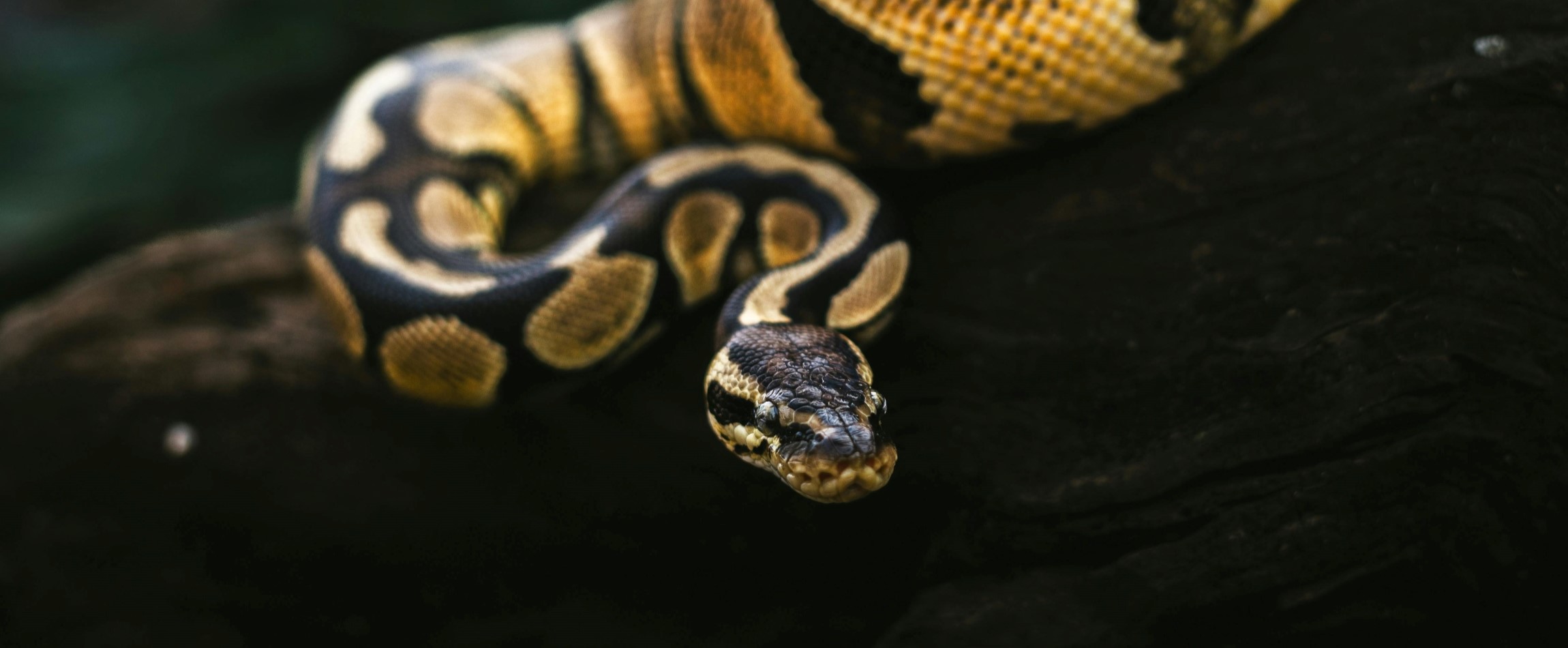
- Animals kept as pets: ball pythons, zebrafishes, and African grey parrots
- Animals used for medicine: sharks and pangolins
- Animals used as food and feed: crickets and frogs
- Animals used for their skins: crocodiles
- Animals used in tourism: lions and elephants
The researchers document in disturbing detail the experiences of the animals from capture through to the end of their lives in restrictive captivity or through mutilation and killing, using three metrics:
- The degree of welfare compromise experienced by the animals at each stage of the trade;
- The duration of each stage of the trade; and
- The estimated number of animals involved in the trade.
Animal welfare compromise was determined using the widely acknowledged Five Domains model to assess the influence of the animals’ nutrition, environment, health, and behavioral interactions on their overall mental state. Together, these metrics show the extent, duration, and scale of the impact of the commercial trade on the animals involved.
The case studies reveal immense animal suffering across the Five Domains examined. Animals have poor nutrition through a lack of appropriate food and water — if they receive any food and water at all. Their environments are characterized by severe confinement, temperature extremes, and unpredictability. Their health is poor due to unsanitary conditions, disease transmission, compromised immunity, injuries, and prolonged deaths. They have negative interactions with humans, and they’re prevented from performing natural behaviors and kept in isolation or inappropriate social groupings. Ultimately, this leads to an overall negative mental state, as animals experience feelings of stress, fear, pain, discomfort, depression, boredom, and hunger.
Some animals are affected more deeply than others, depending on aspects like their biology, people’s perception of them, and the reason for their trade.
Examples Of The Trade’s Severe Harms
Specific examples from the case studies include:
- Keeping ball pythons in enclosures so small that they can’t extend their bodies fully;
- Transporting zebrafishes in plastic bags for long periods of time without filtering the water;
- Capturing African grey parrots with glue traps;
- Slicing fins off conscious sharks, who are then thrown back into the sea no longer able to swim, where they bleed out, asphyxiate, or are preyed upon by other fishes;
- Capturing pangolins using spears, dogs, snares, or smoke before tying them up in net sacks where they can’t move;
- Slaughtering crickets with methods like boiling them alive;
- Cutting the legs from conscious frogs using scissors or knives or dismembering them by hand without any pain relief;
- Raising crocodiles in pens that severely restrict their movement to prevent skin imperfections such as belly scratches;
- Keeping lions on substandard farms with inadequate diets, dirty water, a lack of veterinary care, and small, barren, overcrowded enclosures; and
- Isolating young elephants from their mothers and preparing them for use in tourism with painful training methods.
Other Impacts Of The Trade
Beyond these egregious harms to animal welfare, there are other hidden costs of the wild animal trade. Many species are threatened with extinction, and the escape or release of non-native species can harm the environment. Public health is also at risk because wild animal exploitation is a major cause of zoonotic disease transmission. Local communities and their economies are also negatively impacted. Their over-reliance on the trade is undermined by declining species and zoonotic diseases, along with an increasing availability of synthetic alternatives to wild animals for things like medicine. This leads to a growing global inequality between poorer exporter nations and wealthier importing countries.
Time To End The Trade?
As the authors argue, better regulation of the wild animal trade would only help in a limited capacity. Even with more accurate tracking, greater consideration of animal welfare, and governance of the entire process rather than just small parts of it, laws and policies tend to focus only on the survival of animals in the trade, not their thriving. Additionally, laws are too difficult to implement and enforce. At a regulatory level, resistance can be strong from those who favor traditional wild animal trade, making it difficult to make changes.
While they welcome improvements in welfare regulation in the short term, the authors assert that it’s necessary to move beyond the wild animal trade altogether. They suggest developing alternatives such as ecotourism, community-based conservation, sustainable agriculture, and plant-based or synthetic medicines.
The wild animal trade is a growing industry, but there’s overwhelming evidence that it causes severe suffering. At the same time, public concern about animal welfare is also growing, and the trade’s other hidden costs are coming to light. The price tag of the wild animal trade is far too high and, thus, it’s urgent and vital now to focus efforts into shutting it down for good.
https://doi.org/10.3390/ani15070971

Citations:
Lambert, H., Elwin, A., Assou, D., Auliya, M., Harrington, L. A., Hughes, A. C., Mookerjee, A., Moorhouse, T., Petrossian, G. A., Sun, E., Warwick, C., Can, Ö. E., & D’Cruze, N. (2025). Chains of commerce: A comprehensive review of animal welfare impacts in the international wildlife trade. Animals, 15(7), 971. https://doi.org/10.3390/ani15070971
