“Farmers Love Their Animals!” Yes, That’s The Problem


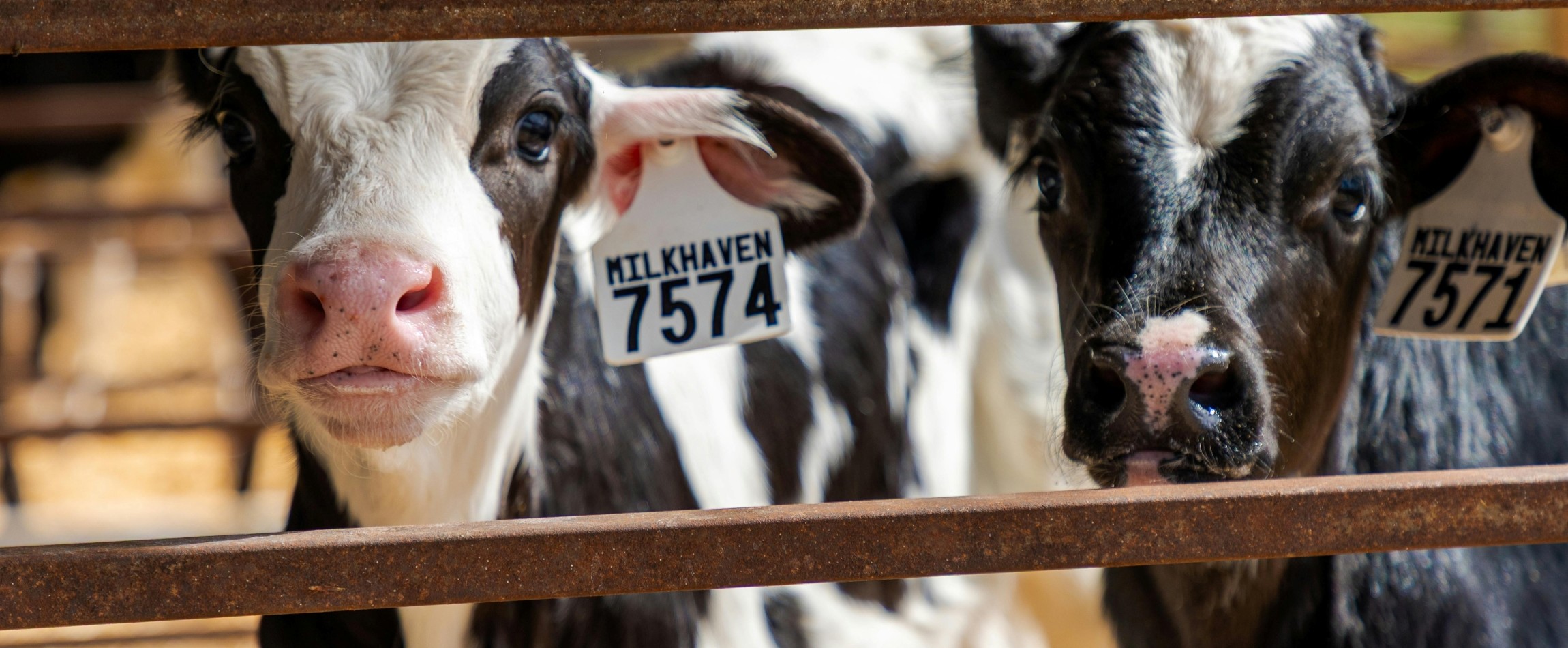
People eating a burger — far removed from slaughter — may take comfort in the idea that the cow was “given a good life” and “loved” before being killed. However, if this is the case, then what kind of emotional toll must that take on the farmers?
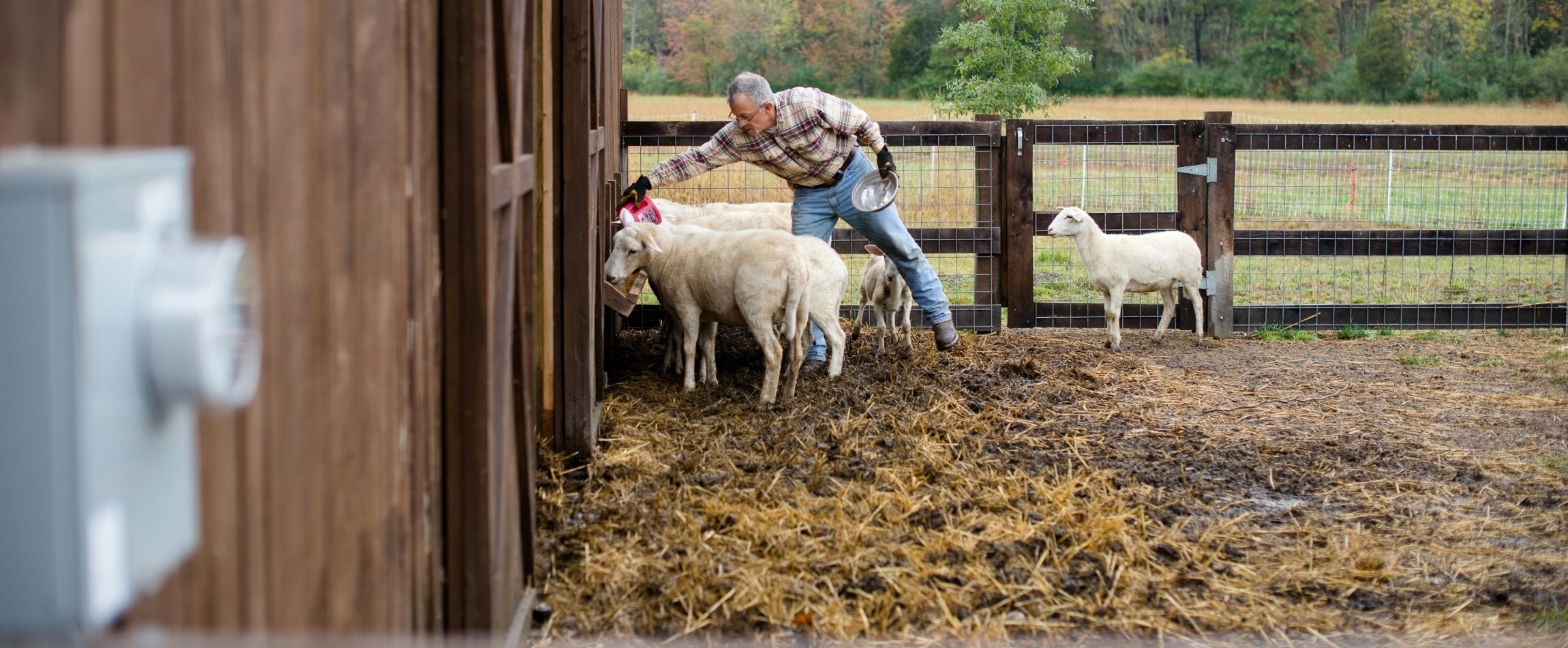
Studies indicate that the complex feelings of guilt and pain experienced by animal farmers may be more common than previously thought, and even underestimated by fellow farmers. Unfortunately, these feelings (among other factors) can also lead to tragic consequences if not dealt with: suicide rates are 3.5 times higher among farmers. Thus, the purpose of this study was to get an overview of the mental health of animal farmers in the U.K., examining factors that may lead to their high suicide rate. This included exploring potential feelings of guilt and distress and long-term emotional harm over animal slaughter and other farming practices.
Due to a relatively small sample size of 115 current or former animal farmers — and their unexpected willingness to share personal thoughts in open-ended questions — the authors pivoted from a purely numbers-based study to a mixed-methods study that looked at both overall percentages and individual sentiments.
There are many factors that can lead to negative mental health in any industry, including a perception that feelings of sadness shouldn’t be shared. This seemed to be common amongst farmers, who often underestimated the percentage of their peers who experienced difficult emotions about animal slaughter, as shown in the table below.
| Farmer quotes about sending animals to slaughter | % of farmers who agreed or strongly agreed | % of farmers who underestimated how many of their peers agreed |
| “It’s hard” | 68% | 48% |
| “It’s a horrible day” | 49% | 35% |
| “I get really upset every time they go away” | 35% | 41% |
| “I had to fight with my conscience” | 34% | 49% |
Conversely, only 13% agreed or strongly agreed with the statement that they “don’t feel anything” on slaughter day, and only 13% indicated they weren’t at all morally concerned about the work they do. Nearly a third of farmers (29%) felt moderately morally concerned, and a further 27% felt considerably to extremely morally concerned about their work.
Under half of farmers (45%) said they sometimes suppress feelings of compassion towards the animals they farm. Over a third (35%) felt traumatized — deeply distressed or disturbed — by some of their work involving animals. Just over a quarter (26%) said that raising animals to be killed has had a negative impact on their mental health. Two-thirds (66%) agreed or strongly agreed that “mental health issues represent the biggest hidden problem facing the farming industry today,” while only 2% strongly disagreed. Nearly half (48%) said they sometimes feel unable to talk to their friends or family about these challenges.
In the open-ended questions, farmers expressed emotional struggles pertaining to their work. Examples include having always felt “uneasy” about voicing their guilt to their family or that sending animals to slaughter is “the hardest thing” they have to do. More extreme statements show the deep psychological pain animal farming can cause, with one farmer saying “I feel terribly guilty, tearful, and hate myself for doing that to them” and another stating that “sending them to slaughter causes suicidal feelings and despair.”
Close to half of farmers (49%) said they would consider stopping farming animals entirely if there were equally viable financial options. Just under two-thirds (63%) said they would consider decreasing the number of animals they farm if they had equally viable options.
The study’s limitations include sample size, but more importantly, sample bias. It could be that the kinds of animal farmers who are most concerned about the morality of their work would be more likely to participate and share openly in a survey about those feelings, whereas those who see their work as no more emotionally taxing than any other job may feel less motivated to share their feelings. Also, a number of questions had high percentages of “neither agree nor disagree” responses — as high as 35% in one case. While this could indicate that farmers are reluctant to acknowledge the mental health impacts of their work, it’s impossible to know for certain without further inquiry.
There’s a perception that those who care about non-human animals do so at the expense of their fellow humans. This doesn’t need to be the case, nor should it be. Between COVID-19 and swine flu, we’ve seen firsthand how animal farming (particularly in large numbers) is an incubator for diseases that pass from species to species, impacting human populations as well as non-human ones. But beyond the physical risks to farm workers (who are also vulnerable to bodily harm and labor exploitation), the emotional toll explored in this study is under-discussed. Those who care about non-human animals should strive to include the human toll of animal agriculture in their messaging — not only because it may make animal advocacy more appealing to those outside the movement, but because caring for others of any demographic or species empowers us to care for all.
https://doi.org/10.1007/s10806-025-09955-3

Citations:
Flores, C., Knowles, R., Bryant, C., Eccles, S., & Vasanthakumar, M. (2025). ‘Death by a thousand cuts’: The role of moral distress and moral injury in farmer mental ill-health. Journal of Agricultural and Environmental Ethics, 38, 18. https://doi.org/10.1007/s10806-025-09955-3