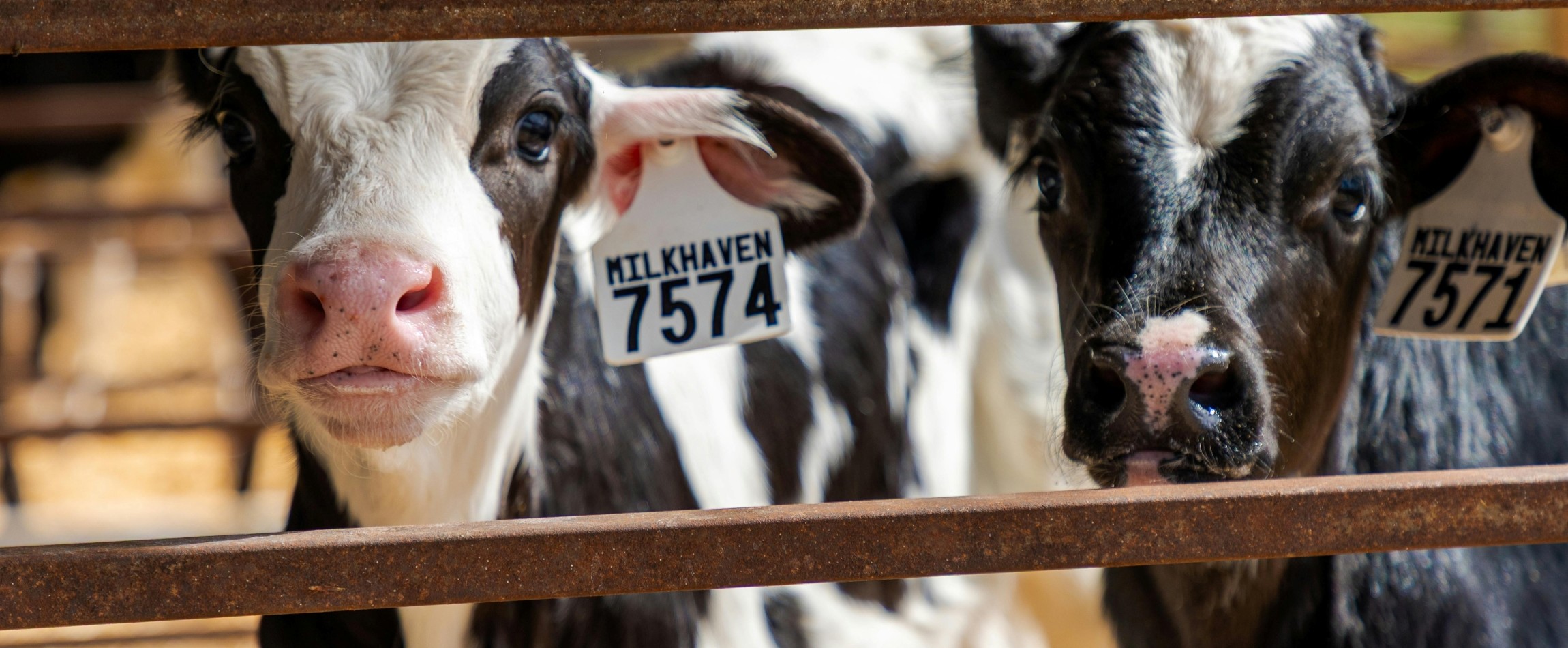
All Cows Feel Pain, But Not All Get Pain Relief


Although procedures like dehorning, branding, and castration are known to be painful, many are still performed on farmed cows without adequate pain relief. And while effective pain mitigation strategies exist, their adoption has been inconsistent. In the U.S., no legislation mandates the use of pain relief. Instead, current expectations are driven by voluntary guidelines and programs that may or may not include pain mitigation. Thus, a team of researchers set out to understand how the perceptions of people working in beef and dairy production influence whether or not farmed cows receive pain relief.
The researchers conducted a survey in 2018 targeting veterinarians and producers within the U.S. beef and dairy industries. The survey asked participants to rate the pain level of various procedures and conditions across three cow age groups: under two months, two to 12 months, and over 12 months. The procedures and conditions included:
- Abdominal surgery (fixing a cow’s displaced stomach compartment, for example)
- Surgical castration (surgically removing a cow’s testicles)
- Band castration (destroying a cow’s testicles by cutting off their blood supply with an elastic band)
- Hot-iron dehorning (destroying the horn-producing skin at the base of a cow’s horn with heat)
- Paste disbudding (destroying a cow’s horn-producing cells with caustic chemicals)
- Hot-iron branding (searing a cow’s skin to leave an identifying mark)
- Freeze branding (branding a cow using a coolant like liquid nitrogen)
- Bovine respiratory disease (a common, multifactorial disease exacerbated by stressful events and poor environmental conditions)
- Lameness (a range of hoof or leg issues associated with environmental, management, and individual risk factors)
Participants were also asked how likely they would be to administer pain relief within the three age categories for each procedure or condition.
The final analysis included 1,187 survey responses, of which 42% came from producers, 48% came from veterinarians, and 10% came from respondents who were both producers and veterinarians. Most participants were male: 80% of producers, 63% of veterinarians, and 61% of producer-veterinarians.
The results showed that:
- Overall, surgical castration, band castration, paste disbudding, and freeze branding were seen as less painful than hot-iron dehorning, hot-iron branding, and abdominal surgery.
- Producers generally perceived procedures as less painful compared to veterinarians or producer-veterinarians.
- Women consistently rated procedures as more painful than men, with a few exceptions such as hot-iron branding where gender had no effect.
- There was a strong positive association between the perceived level of pain and the likelihood of administering analgesics. Respondents who considered a procedure to be painful were far more likely to provide pain relief.
- Respondents tended to underestimate the level of pain experienced by cows under two months of age, especially for procedures such as paste disbudding and surgical castration.
The researchers draw attention to the fact that a small subset of respondents didn’t consider any of the procedures or conditions to be painful, despite there being scientific evidence to the contrary. This was particularly apparent for the youngest category of cows, which speaks to the common misconception that younger animals feel less pain — a myth that clearly needs dispelling.
As producers were found to give lower pain ratings than veterinarians, the researchers also point to the need to increase communication and collaboration between the two. They suggest that inadequate pain recognition and ingrained farm practices are obstacles to effective pain management, and argue that veterinarians could use their influence to address these.
It’s also evident from the findings that voluntary guidelines and programs aren’t sufficient to prevent cow suffering. Policymakers should consider legislation that mandates pain relief for common industry procedures, not only to remove the current ambiguity but to protect cow welfare further.
Finally, the study highlights the potential role of empathy in effective pain management for farmed cows. Empathy is key to perceiving and reacting to pain in both humans and animals. Studies have shown that, on average, women are more empathetic to pain, and veterinarians with greater empathy give higher pain scores. This is supported by the findings here that women tended to rate procedures as more painful than men and veterinarians generally regarded procedures as more painful than producers. Given that recognizing pain is linked to treating pain, the study underscores the need to understand empathy in people who work closely with cows and what this means for the welfare of the animals in their care.
https://doi.org/10.3389/fpain.2023.1059224

Citations:
Edwards-Callaway, L. N., Keller, K. P., Oselinsky, K., Johnstone, E., Cramer, C., Román-Muñiz, N., Stalones, L., & Coetzee, J. F. (2023). A nationwide survey on producer and veterinarian perceptions of the painfulness of procedures and disease states in dairy and beef cattle. Frontiers in Pain Research, 4, 1059224. https://doi.org/10.3389/fpain.2023.1059224