
Factory Farming Fuels A Climate “Doom Loop”


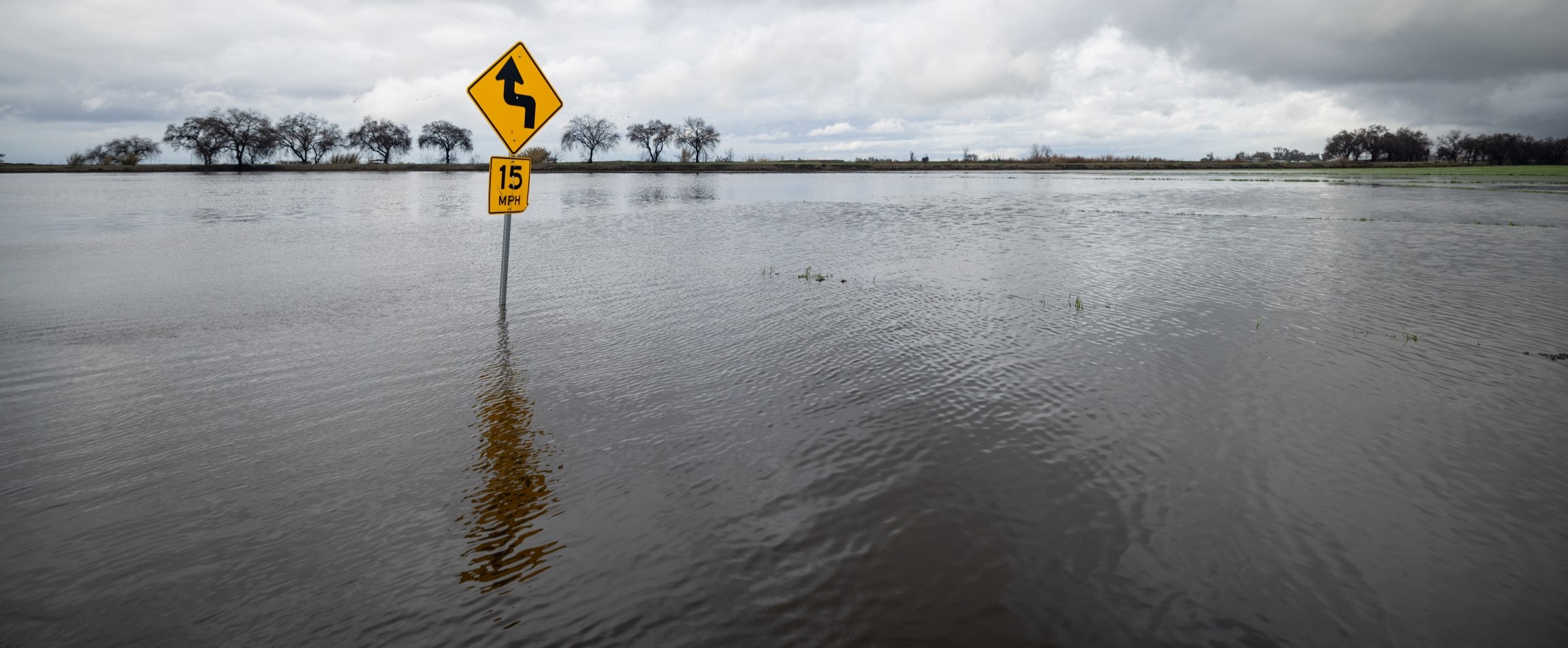
Industrial animal agriculture is a leading driver of greenhouse gas emissions, particularly methane, but it’s also one of the sectors most vulnerable to climate impacts. This report, authored by the non-profit organization Compassion in World Farming, warns of a growing “doom loop”: factory farming worsens climate change, which in turn fuels extreme weather disasters that devastate farmed animals, human communities, and food systems.
To illustrate this cycle, the report compiles 11 case studies from around the world. These cover a range of climate-amplified disasters, including floods in Brazil, hurricanes in the U.S., typhoons in Vietnam, wildfires and droughts in Europe, and deadly heatwaves across multiple regions. Each case study brings together data on animal deaths, farmer losses, and community-level impacts. Importantly, the report emphasizes that the available figures are almost certainly underestimates. Many countries don’t officially record farmed animal deaths in disasters, meaning that millions more animals may have been killed without documentation.
Climate Disasters Are Deadly And Increasing
The combined toll across the 11 cases is stark. At least 14.8 million farmed animals were killed, around 7,000 people died, more than 56 million people were displaced or affected, and the financial damages exceeded US$120 billion. On a global scale, extreme weather events have quadrupled since the 1970s, with annual losses now estimated at US$143 billion.
The case studies reveal the varied ways disasters strike industrial animal farming systems. In Brazil’s catastrophic floods in 2024, more than 1.2 million chickens drowned along with over 17,000 cows. In the U.K., the 2022 heatwave proved deadly for farmed birds: at least 18,500 chickens perished in transport and additional losses occurred in overheated sheds. When Hurricane Helene hit the U.S. in 2024, nearly five million chickens died in the state of Georgia alone. France’s 2022 heatwave and drought crisis killed approximately 750,000 animals across 126 farms. In 2024, Vietnam’s Typhoon Yagi wiped out nearly six million farmed birds, along with tens of thousands of cows and pigs. In the Netherlands, a heatwave in 2019 caused the deaths of an estimated 163,000 farmed animals.
Taken together, these examples highlight a tragic pattern: industrial systems designed for maximum output often lack resilience to external shocks. Animals are confined in sheds, feedlots, or transport vehicles, leaving them unable to escape rising waters, unbearable heat, or collapsing infrastructure. Farmers, too, find themselves unprepared, with fragile supply chains and limited disaster planning.
Animal Welfare Impacts
The report identifies recurring welfare impacts that cross geographic boundaries. Extreme heat leads to dehydration, reduced fertility, respiratory distress, and mass mortality, particularly in transport where animals are crowded and ventilation is poor. Flooding causes animals to drown in their enclosures and exposes survivors to starvation as well as disease from contaminated water. Drought reduces forage quality and availability, undermining animal nutrition and causing cascading welfare and productivity losses. For the animals trapped in industrial systems, these events often result in prolonged suffering followed by premature death.
Proposed Solutions
Compassion in World Farming stresses that small-scale technological fixes are insufficient. Methane-reducing feed additives or changes in manure management may reduce emissions on paper, but they can’t prevent disasters from overwhelming vulnerable animals and farmers. Instead, the report calls for systemic change across three fronts.
- Reducing the demand for animal-sourced foods in high-consuming countries is presented as the most effective way to cut greenhouse gas emissions from animal agriculture.
- Farmers need financial and technical support to transition away from intensive models and toward higher-welfare, climate-friendly systems. Agroforestry, regenerative agriculture, and silvopasture are cited as promising approaches that not only reduce emissions but also build resilience against extreme weather.
- Adaptation must be prioritized. Expanding early-warning systems, investing in climate-resilient infrastructure, and ensuring that disaster plans include farmed animals can save lives and reduce damages.
Policy recommendations extend further. The report urges governments to set targets to reduce national consumption of meat and dairy, update official dietary guidelines to encourage plant-forward eating, and leverage public procurement to normalize climate-friendly diets. Funding and subsidies should be redirected from intensive animal farming to resilient systems. At the same time, adaptation finance must be expanded, especially in the Global South, where farmers are often most exposed to disasters and least supported in recovery.
Limitations
This report is an advocacy document rather than a peer-reviewed scientific study. It draws selectively on case studies and secondary sources rather than offering a systematic global dataset. However, Compassion in World Farming openly acknowledges that the figures almost certainly underestimate the real scale of harm, given the widespread gaps in disaster reporting and animal mortality records. From that perspective, the numbers presented should be viewed as a conservative floor rather than an upper bound.
Takeaways For Advocates
For animal advocates, the report highlights both the urgency of the problem and the opportunities for change. Campaigners can use these findings to press governments to include animals in disaster preparedness plans, from evacuation strategies to transport protocols. Advocates can also push for policies that reduce institutional meat and dairy consumption through procurement rules, dietary guidelines, and public education campaigns. Finally, there’s a clear role for advocacy in supporting farmers: encouraging financial support and training for transitions to resilient, plant-forward systems can help ensure that farmers aren’t left behind as the food system adapts.
The report’s message is clear: factory farming is caught in a cycle of its own making. It drives climate change while also being destroyed by it. Breaking this “doom loop” will require advocates to highlight the suffering of both animals and people, while advancing solutions that shift diets, reform policies, and transform farming systems toward a more resilient and compassionate future.