
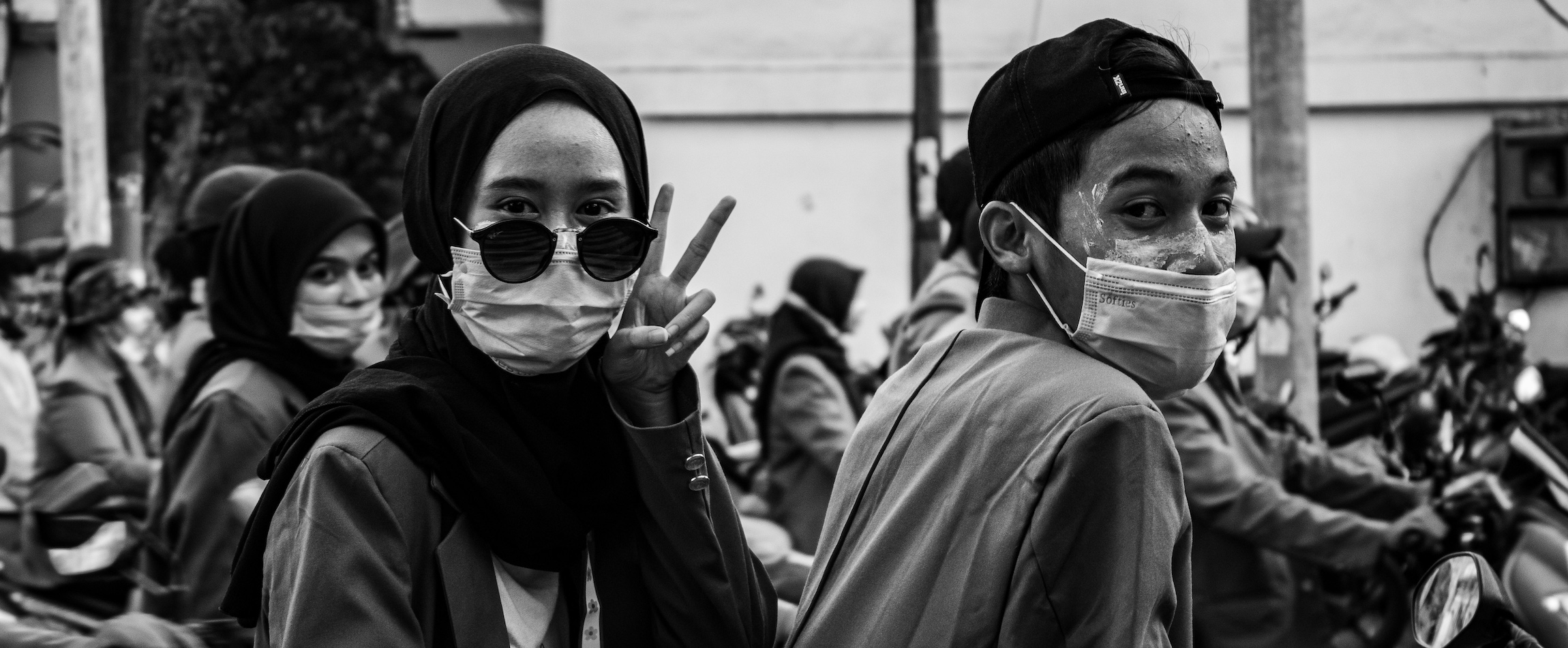
Cross-Movement Collaboration For Farmed Animal Advocates In Southeast Asia


Background
The goals of animal advocacy organizations have the potential to benefit not just animals, but also public health, environmental outcomes, and livelihoods, leading many to believe that increased cooperation between social movements may increase their impact. Research has found that environmental supporters are more likely to take pro-animal actions than those unconcerned (Faunalytics, 2023), and that potential collaboration between animal advocates and climate organizations is feasible in China, Brazil, and the U.S. (Faunalytics, 2024), particularly on issues like legal advocacy, education, and promoting plant-based diets. Furthermore, research and policy frameworks have been developed in India (Samayu, 2024) to support collaboration between animal advocates and other movements, engaging decision-makers and farmers through a One Health and resilience lens. However, Southeast Asia, a critical region for farmed animal advocacy, lacks comparable research to support this kind of alignment.
This scoping study explores social movements in Southeast Asian society more broadly — what these movements are, the key players, how they achieve policy or other broad implementation of goals, and how different movements in the region already work together. It also looks at how these movements perceive, and could support, goals they share with farmed animal advocates.
This study examines social movements in six Southeast Asian countries — Thailand, Indonesia, the Philippines, Singapore, Malaysia, and Vietnam — selected for their large human and animal populations and their economic significance. After a preliminary literature review, local researchers helped identify key organizations, gray literature, and social media content on social movements in their countries. We then selected two movements for in-depth analysis: the environmental movement and the health and development movement, focused on human development — well-being, livelihoods, and access to basic services. We interviewed senior staff at organizations in these movements, providing specific insights into the social movements in their regions.
These findings will help farmed animal advocates strategize future collaborations with other movements, giving direction on how to approach them, how their goals may overlap, and country-by-country analysis to give more specific advice. This report will also help researchers think of future research projects designed to make advocacy and collaboration in Southeast Asia easier.
Key Findings
- Environmental and health/development movements in Southeast Asia show the most promising opportunities for collaboration. They share concerns with animal advocates particularly around diets, land-use change, antibiotic overuse and disease spillover in animal agriculture, and the environmental impact of factory farming, as well as the economic impacts of farming on the livelihoods of rural and lower-income communities. Some organizations in these movements already engage in advocacy related to sustainable and healthy food systems, making them receptive partners for farmed animal advocates.
- A significant level of collaboration already exists between and within movements, especially for climate, health, and intersectional issues. Climate and health organizations often work together in complex coalitions covering multiple demographic groups and cause areas. Additionally, broad cross-cause or political coalitions, such as those associated with the recently disbanded Move Forward Party in Thailand, bring together movements working on intersecting issues. Alongside formal alliances, there are also soft ties and opportunistic cross-cause support, such as loosely connected climate organizations meeting to draft a shared statement, allowing for more flexible and issue-specific collaborations.
- Coalitions function through complementary roles, strategic negotiation, and diverse advocacy approaches. Effective coalitions assign roles based on member strengths — some organizations focus on grassroots mobilization or institutional engagement, while others balance confrontational and diplomatic tactics depending on the context. Coalition success often hinges on partners negotiating shared priorities, building trust, and strategically engaging decision-makers. For animal advocates, this requires balancing compromise with advocacy goals and navigating power dynamics carefully, particularly when entering established coalitions.
- Political and social factors create wide variation in movement strength and coalition potential across countries. While countries like Thailand and the Philippines benefit from vibrant social movements and grassroots engagement, others, such as Singapore and Vietnam, face constraints due to limited civic space and restrictive political environments. Structural and funding limitations, especially in countries like Vietnam and Malaysia where non-profit activity is closely monitored, further shape collaboration possibilities. Cross-border efforts and large regional coalition projects can amplify impact, facilitate knowledge-sharing, and are often better positioned to secure grants and support (see Appendix for list of funders). However, regional coalitions can be difficult to sustain, as differing local priorities, political contexts, and advocacy strategies often necessitate country-specific approaches.
- Alignment and trust are crucial for effective collaboration. Successful partnerships with other social movements require both strategic alignment and the establishment of credibility. Some movements or actors may view farmed animal advocacy as unimportant or conflicting with their priorities, leading to skepticism about collaboration. Advocates must therefore invest in finding common ground and building relationships and credibility. This can be achieved through engagement with existing networks, trust-building, and demonstrating alignment with widely shared concerns — such as public health, livelihoods, or environmental protection — before introducing farmed animal issues.
- Social movements drive change through both top-down advocacy and bottom-up mobilization. The former focuses on policy and corporate engagement, while the latter emphasizes grassroots action and cultural shifts. These approaches also interact with the distinction between elite-driven movements targeting institutional actors or the urban middle class and those engaging rural or working-class communities. Advocates must consider how these dynamics shape their strategies and whether to prioritize institutional change, grassroots engagement, or a mix of both based on their capacity and local context.
- Collaboration across and within movements is often pragmatic and project-based. Across Southeast Asia, advocates in climate and health/development movements frequently collaborate through joint events, shared research, treaty work, co-funded initiatives, and project-based partnerships. These collaborations are often motivated by mutual benefit, strategic alignment, or practical support. This flexible, opportunity-driven style allows actors to build trust and impact without requiring full value alignment.
Recommendations
For Advocates
- When talking with individuals from other movements, highlight your shared goals and reflect on the best entry points to the conversation. Advocates can tailor engagement and messaging strategy to emphasize these intersections, positioning farmed animal welfare as part of broader societal efforts, which may lead to sustained coalitions. For example, if you are interested in collaborating with the environmental movement, it would be helpful to talk about the unsustainable practices associated with animal agriculture. Entry points may include collaborative projects, shared research, or shared targets.
- When assessing impact, consider the benefits a campaign may have on humans, not just animals. Advocates should consider not just the number of animals affected but also the sustainability and traction of related human-focused efforts. Issues like food security, rural livelihoods, and public health create natural entry points for collaboration, and aligning with these can strengthen credibility and long-term effectiveness. While optimizing for animal lives remains crucial, integrating these broader dynamics into decision-making can help ensure lasting impact.
- Build connections and credibility to strengthen policy and corporate advocacy tactics. In contexts where grassroots movements are limited, influencing policy and corporate behavior often requires targeting elite networks, such as corporate actors, high-income individuals, or key decision-makers. This may involve building relationships with well-connected advocacy circles, participating in high-level events, and seeking mentorship to gain credibility. In close-knit environments where “everyone knows everyone,” a large network of loose ties can help in multiple ways.
- Build trust with grassroots movements through presence, economic awareness, and cultural respect. Grassroots mobilization can help shape cultural norms and amplify public engagement. Simply showing up — such as attending protests or community events — can go a long way in building trust and rapport. To deepen collaboration, advocates should also respect cultural preferences and actively support the economic interests of grassroots actors.
- Tailor coalition strategies to context and opportunity. Different types of coalitions offer different advantages. Formal alliances (e.g., joining multi-issue climate coalitions) can provide structured support and shared platforms, especially when approached through aligned issues like sustainable food systems. Alternatively, opportunistic or project-based collaborations, even with groups that don’t share all your values, can be effective when there’s a shared interest or mutual funding opportunity. Being flexible about coalition types can open unexpected doors.
For Researchers
- Conduct case studies on successful cross-movement collaborations. While this report highlights potential alignment between farmed animal advocacy and other social movements, more detailed case studies are needed. Researchers should analyze past collaborations across Southeast Asia to identify effective messaging, coalition structures, and strategic partnerships that led to tangible policy changes or shifts in public attitudes.
- Identify concrete opportunities for collaboration by examining existing projects and legislative initiatives that intersect with animal farming. Building on the overlaps identified in this report, research should assess active environmental and health/development efforts and engage directly with the social movements behind them. At the same time, exploring specific laws and policies — such as welfare regulations, subsidies, or labeling standards — can reveal key leverage points where farmed animal advocacy may align with broader movement goals and achieve meaningful policy impact.
Below, we share a carousel of individual country profiles that give some brief pointers on the dynamics of potential cross-movement collaboration. For full country profiles and detailed recommendations by country, check out the full report.
Applying These Findings
We understand that reports like this have a lot of information to consider and that acting on research can be challenging. Faunalytics is happy to offer pro bono support to advocates and non-profit organizations who would like guidance applying these findings to their own work. Please visit our virtual Office Hours or contact us for support.
For an in-depth, accessible overview of this study’s findings in video format, be sure to check out the webinar below.
Behind The Project
Research Team
The project’s lead authors were Jack Stennett (Good Growth), Ella Wong (Good Growth), and Fiona Rowles (Institute of Social and Economic Research). Dr. Allison Troy (Faunalytics), Dr. Andie Thompkins (Faunalytics), Dr. Jo Anderson (Faunalytics), and Jah Ying Chung (Good Growth) reviewed and oversaw the work. We also received essential support from local researchers: Kevin Bautista, Lien Huong Trinh, Napat Tandikul, Nia Nur Pratiwi, Pichayapohn Ritkampee, and Shenshen Yeoh.
Acknowledgements
We would like to thank the advocates and movement leaders who were interviewed for this study for sharing their valuable insights. In addition, we are grateful to Faunalytics’ donors for your support — your donations allow us to conduct essential research like this to help you take action for animals.
Research Terminology
At Faunalytics, we strive to make research accessible to everyone. We avoid jargon and technical terminology as much as possible in our reports. If you do encounter an unfamiliar term or phrase, check out the Faunalytics Glossary for user-friendly definitions and examples.
Research Ethics Statement
As with all of Faunalytics’ original research, this study was conducted according to the standards outlined in our Research Ethics and Data Handling Policy.
Let us know what you think!
We conduct research to help advocates like you, so we really value your input on what we’re doing well and how we can do better. Take the brief (less than 2min) survey below to let us know how satisfied you were with this report.

Citations:
Stennett, J., Wong, E., Rowles, F., Troy, A., & Thompkins, A. (2025). Cross-Movement Collaboration For Farmed Animal Advocates In Southeast Asia. Faunalytics. https://faunalytics.org/cross-movement-collaboration-for-farmed-animal-advocates-in-southeast-asia/
