Consumers’ Willingness For Ecological Food Behaviors


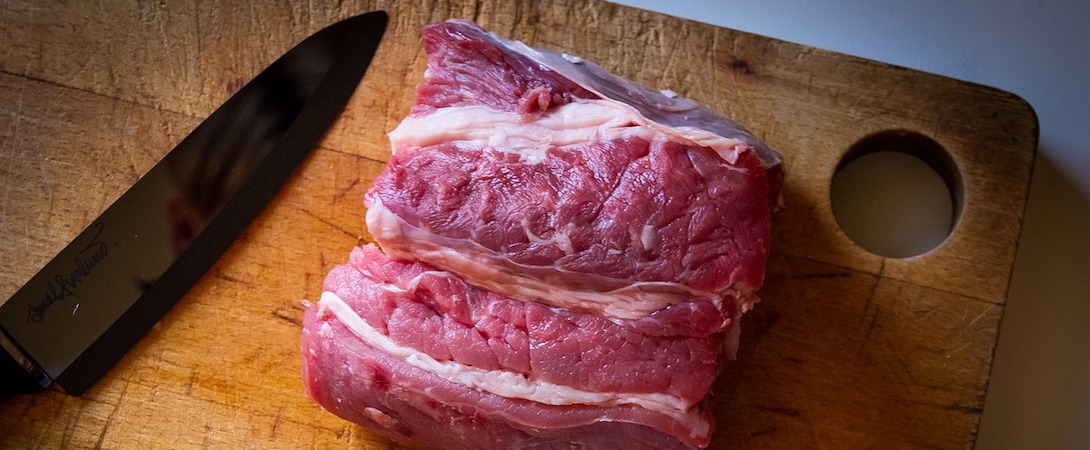
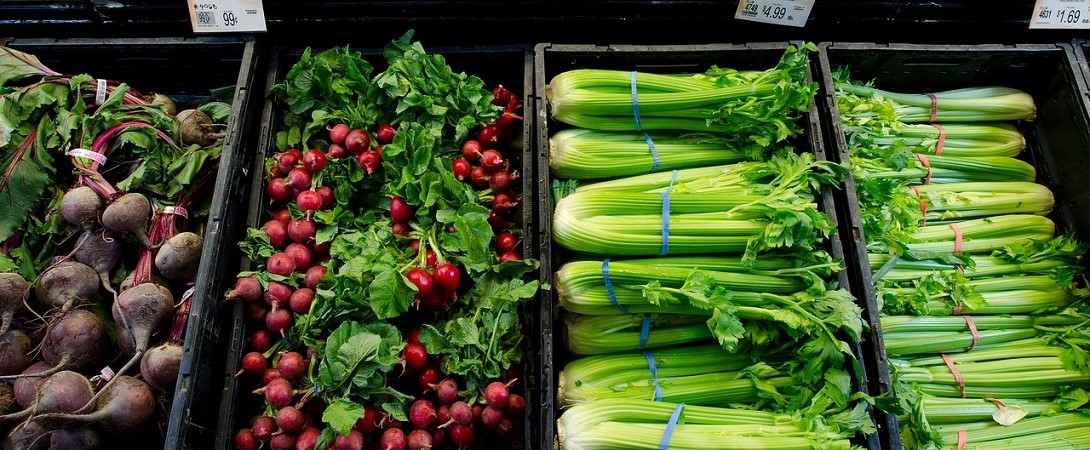
Researchers examined what food purchasing choices consumers in Switzerland thought to be most helpful for the environment. On average, consumers thought that buying products with less packaging was one of the most beneficial things they could do; they did not think that reducing meat consumption was important. In fact, the reality is opposite, such that meat production has a far greater environmental impact than does product packaging. They also found that respondents did not tend to think that non-organic food was bad for the environment, though many consumers still indicated being willing to eat organic and seasonal fruits and vegetables, citing taste as a motivating factor.
Article Abstract:
“Food consumption is associated with various environmental impacts, and consumers’ food choices therefore represent important environmental decisions. In a large-scale survey, we examined consumers’ beliefs about ecological food consumption and their willingness to adopt such behaviors. Additionally, we investigated in more detail how different motives and food-related attitudes influenced consumers’ willingness to reduce meat consumption and to buy seasonal fruits and vegetables.”
“We found consumers believed avoiding excessive packaging had the strongest impact on the environment, whereas they rated purchasing organic food and reducing meat consumption as least environmentally beneficial. Similarly, respondents appeared to be most unwilling to reduce meat consumption and purchase organic food. Taste and environmental motives influenced consumers’ willingness to eat seasonal fruits and vegetables, whereas preparedness to reduce meat consumption was influenced by health and ethical motives. Women and respondents who preferred natural foods were more willing to adopt ecological food consumption patterns.”
http://www.ncbi.nlm.nih.gov/pubmed/21896294

Citations:
Christina Tobler, Vivianne H.M. Visschers & Michael Siegrist, ETH Zurich, Institute of Environmental Decisions (IED), Universitaetstrasse, 2011 International