
Vegetarians Choose Change Over Justification For Dairy


Most vegetarians avoid meat for environmental, animal welfare, and health reasons. Yet many continue consuming dairy products despite research showing dairy has comparable negative impacts to meat production. This creates what researchers call the “dairy paradox” — a psychological conflict between vegetarians’ values and their continued dairy consumption.
Understanding The Dairy Paradox
Previous research on the “meat paradox” shows that when people feel conflicted about eating meat, they typically use mental strategies to justify their behavior rather than change it. These strategies include convincing themselves that eating meat is “natural,” “necessary,” “normal,” or “nice”, known collectively as the 4Ns. Researchers wanted to know if vegetarians use similar mental tricks to justify their dairy consumption when confronted with uncomfortable facts.
The Study
The researchers recruited 378 vegetarians from across the U.S. and randomly assigned them to two groups. The experimental group read three factual statements about dairy’s negative impacts on the environment, animal welfare, and human health. For example, they learned that dairy products like cheese and milk produce higher greenhouse gas emissions than chicken, and that animal welfare is typically worse on dairy farms than beef farms. The control group didn’t receive any information.
Both groups then completed surveys measuring their psychological discomfort and how much they agreed with various justifications for dairy consumption. The researchers also asked about participants’ intentions to reduce dairy consumption in the next six months.
Surprising Results
The study revealed that vegetarians respond very differently to uncomfortable information about dairy compared to how meat-eaters typically respond to similar information about meat.
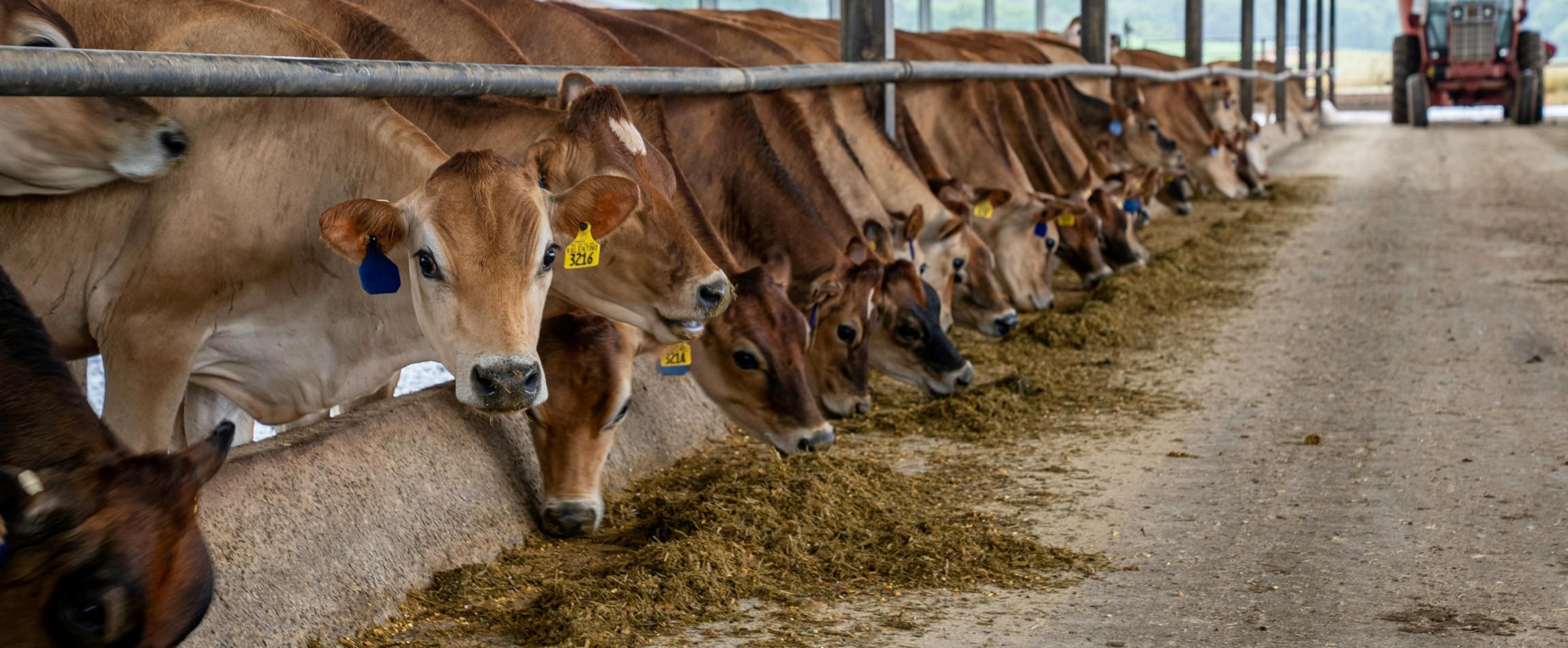
When vegetarians learned about dairy’s harmful impacts, they experienced significant psychological discomfort — confirming that a “dairy paradox” exists. However, instead of using mental justifications to feel better about their dairy consumption, vegetarians did the opposite. Those who received the dairy impact information were actually less likely to agree that dairy consumption is natural, necessary, or acceptable compared to the control group. They also attributed more mental abilities to cows, suggesting greater recognition of these animals’ capacity for suffering.
Most importantly, vegetarians who learned about dairy’s impacts reported significantly greater intentions to reduce their dairy consumption compared to those who didn’t receive the information.
Why Vegetarians Respond Differently
The researchers believe vegetarian identity helps explain these findings. When people identify as vegetarian, they’ve already committed to values that prioritize animal welfare, environmental protection, and health. Making this identity prominent — which happened when participants were asked about their vegetarian motivations at the study’s beginning — may have made it harder for them to rationalize behavior that conflicts with those values.
Unlike meat-eaters who can justify harmful practices by appealing to social norms, vegetarians have already rejected many of those norms. This makes behavior change a more psychologically viable option than mental justification when they face uncomfortable information about their food choices.
A New Justification Strategy
The study also identified a dairy-specific justification strategy the researchers called “neglectable.” This involves viewing dairy as too embedded in the food system to avoid or as less harmful than meat. While this strategy exists, vegetarians who learned about dairy’s impacts were less likely to use it, further supporting the finding that they prefer behavior change over justification.
Limitations
The study only measured intentions to reduce dairy consumption, not actual behavior change. There’s often a gap between what people intend to do and what they actually do. Additionally, the research focused on U.S. vegetarians, so results might differ in other cultural contexts where vegetarianism has different social meanings.
Implications For Advocates
These findings offer important insights for animal advocates working to reduce dairy consumption. The research suggests that providing factual information about dairy’s impacts to people who already identify as vegetarian can be highly effective, as they’re more likely to respond with genuine intentions to change rather than defensive justifications.
Advocates might consider strategies that make vegetarian identity prominent before sharing information about dairy. For example, campaigns could begin by acknowledging someone’s existing commitment to animal welfare before presenting facts about dairy production. This approach may help vegetarians see dairy reduction as consistent with their existing values rather than as an additional burden.
The research also suggests that vegetarians may be more receptive to dairy-reduction messages than previously thought. While transitioning from vegetarian to vegan diets remains relatively rare, this study shows that vegetarians are psychologically prepared to consider such changes when presented with compelling information.
https://doi.org/10.1016/j.appet.2024.107692

Citations:
Davies, C. A., & Stanley, S. K. (2024). Untangling the dairy paradox: How vegetarians experience and navigate the cognitive dissonance aroused by their dairy consumption. Appetite, 203, 107692. https://doi.org/10.1016/j.appet.2024.107692