How The Public Views Dairy Farming Technology


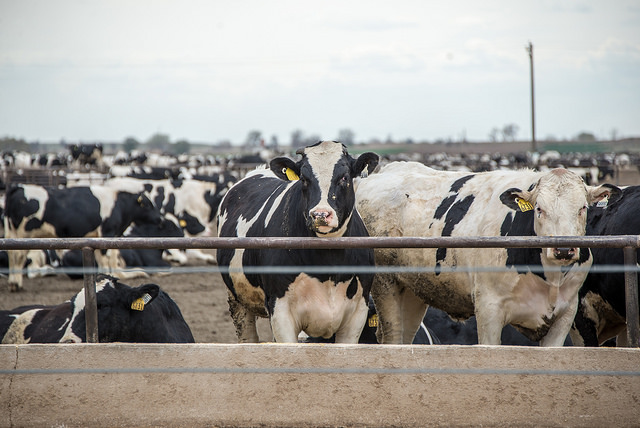
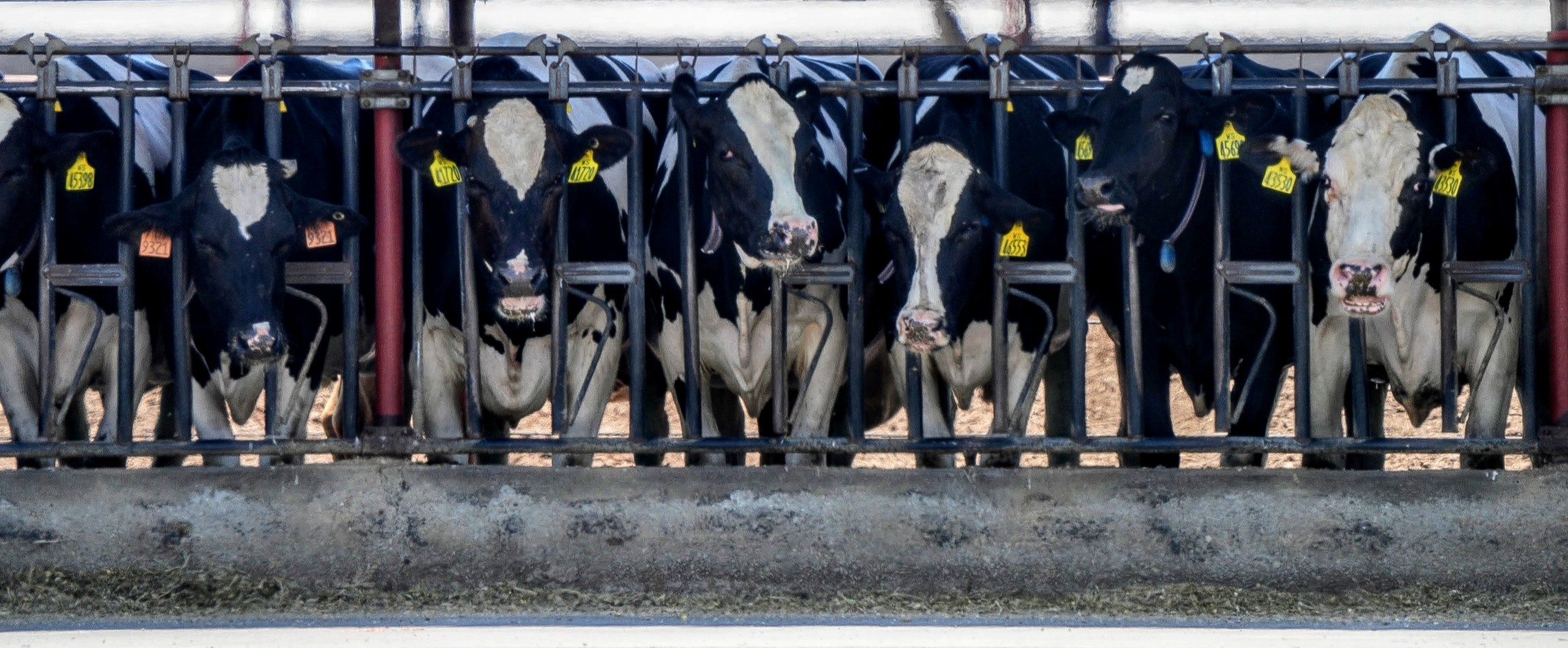
As their herds grow larger and larger, dairy producers are starting to use precision dairy technologies (PDT) to continuously monitor their animals. These technologies allow cows to be managed on an individual basis, detecting whether they’re sick, lame, or in heat with devices like wearables, cameras, and automated feeding equipment. Although the use of PDT is becoming more commonplace, there are concerns about how it might affect farmers’ relationships with their animals, animal welfare, and data transparency. Thus, this study set out to examine people’s perceptions of PDT under different framings and across varying demographics.
Researchers recruited 2,365 U.S. adults to complete an online mixed-methods survey. Participants were given one of eight vignettes (short scenarios) to read. Each vignette contained a combination of either positive or negative depictions of the impact of PDT on human-animal relationships, animal welfare, and data transparency. The survey collected demographic information, as well as participants’ perceptions of PDT before and after reading the vignette. These perceptions were measured using rating scales, and participants could clarify their reasoning in optional open-ended questions.
Demographics
Slightly more participants were female (51%) than male (47%). Most were between 25 and 44 years old (59%) and came from urban or suburban areas (82%). Close to half (46%) had household incomes between $40,001 and $100,000. Just over half (51%) were Democrats, while 27% were Republicans and 22% were Independents.
The majority (76%) of participants said they were “slightly” or “not at all” knowledgeable about the dairy industry, though almost all (96%) reported consuming dairy products.
Initial Perceptions
Before reading the vignette, participants held generally positive views toward PDT, with an average perception score of 5.59 out of 7. Their trust in farmers using PDT was also fairly high (5.17 out of 7), as was their likelihood of purchasing products from farms that use PDT (5.42 out of 7).
Results varied by demographic, however. For instance, initial views of PDT were more negative among participants who held positive attitudes toward animal protection, but more positive among those with higher incomes. Similarly, baseline trust in farmers using PDT increased with higher incomes but decreased with positive views of animal protection.
The Impact Of Information
Post-vignette, there was a slightly negative shift in participants’ overall perceptions of PDT (−0.27), trust in farmers using PDT (−0.13), and likelihood of purchasing products from farms that use PDT (−0.21). This occurred across all vignettes. Again, there were demographic differences. For example, participants who identified as Democrats or held positive attitudes toward animal protection were more likely to experience negative shifts in all three measures.
The vignettes that caused the most significant negative shifts were those that highlighted the negative impacts of PDT on animal welfare. The most significant positive shifts occurred when PDT was portrayed as beneficial for human-animal relationships and animal welfare.
Key Themes
Qualitative analysis of the optional open-ended questions revealed six key themes:
- Potential impacts of PDT on cows
- Optimism or skepticism about data and technology
- Potential impacts of PDT on farmers
- Acceptance of PDT depends on certain conditions being met (like the cows being treated well)
- A lack of information about PDT makes it difficult to know whether to support or oppose it
- Potential impacts of PDT on dairy production and products
While these same themes were found both pre- and post-vignette, participants tended to mention cows more after reading the vignette (increased from 56% to 64%). They also made fewer references to a lack of information (decreased from 25% to 9%). Post-vignette, animal welfare (64%) was mentioned far more than human-animal relationships (14%) or data transparency (5%).
Limitations
The study focused on U.S. residents, which means the results may not generalize to other countries. Even within the U.S., some findings should be interpreted with caution, as Democrats were slightly overrepresented. In addition, participants may have had a survey familiarity bias because of the paid survey platform used to recruit them.
The hypothetical statements and vague language used to describe PDT may have led to differences in interpretation by participants. Also, despite the survey’s open-ended questions, the study was unable to account for the true complexity of people’s views on animal agriculture, ethics, and consumer behavior.
For Animal Advocates
People’s initial perceptions of PDT were largely positive under the assumption that it would help cows. However, these perceptions — along with trust in farmers — typically dropped when PDT was framed as harmful to animal welfare. This confirms that welfare remains a top concern for consumers, and suggests that dairy producers’ social license to operate hinges on how well they treat their animals.
For animal advocates, this study highlights a critical opportunity: efficiency doesn’t equal trust. Even when presented with high-tech solutions, the public is sensitive to the reality of the animal’s experience. Advocates can use this to hold the dairy industry accountable, ensuring that “precision technology” isn’t used to mask poor welfare standards.
https://doi.org/10.3168/jds.2024-25603