Contaminated Meat: An Overlooked Cause Of Urinary Tract Infections


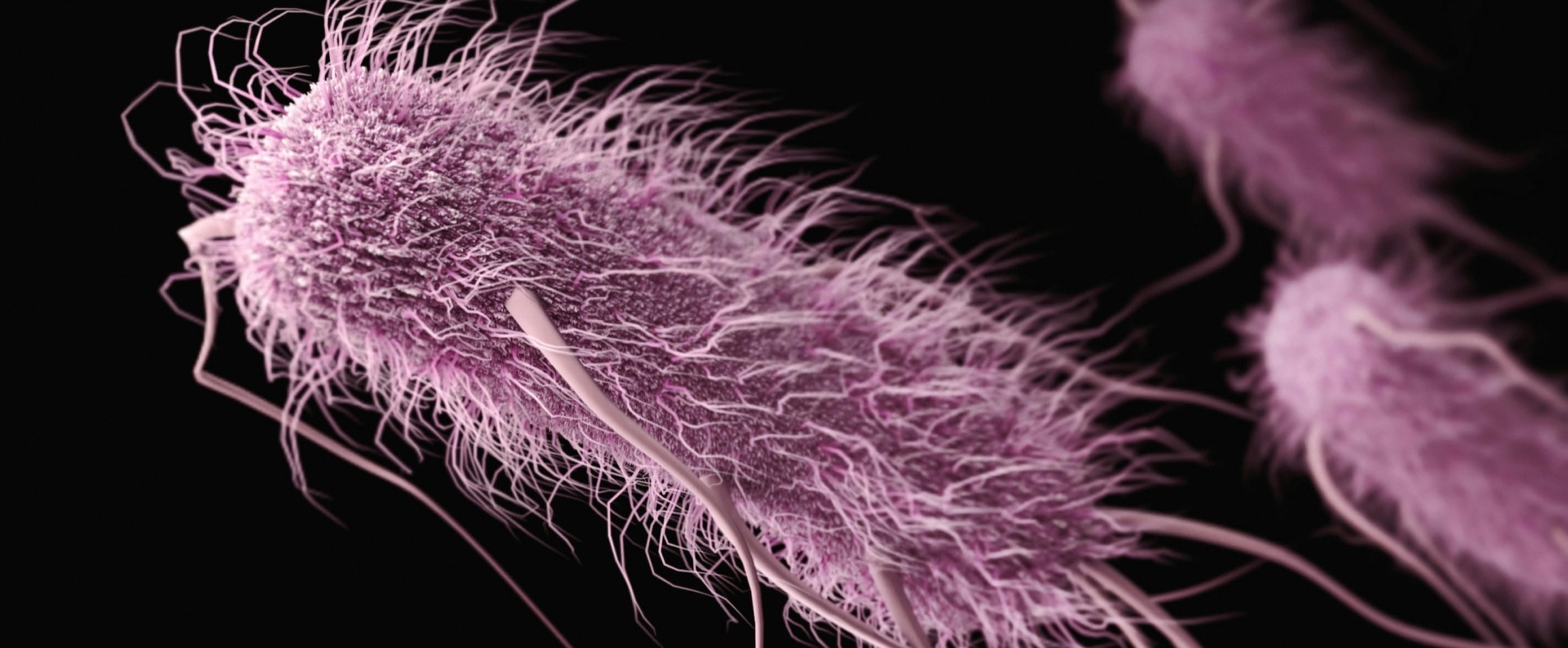
Escherichia coli (E. coli) is a common bacterium that lives in the intestines of people and animals. Most strains are non-harmful, but certain pathogenic forms of E. coli can result in digestive distress, including stomach cramps and diarrhea. In more severe cases, harmful strains can spread from the digestive system to other parts of the body. Each year, approximately eight million cases of urinary tract infections (UTIs) in the U.S. alone can be linked to E. coli infections.
A less widely understood aspect of E. coli is the degree to which zoonotic strains, of animal origin, drive infection rates in humans. Emerging research shows that extraintestinal pathogenic E. coli, also known as ExPEC, is harbored in living animals. Unlike traditional E. coli infections, ExPEC develops outside the digestive system and is a leading cause of UTIs worldwide.
This study investigated the correlation between meat products contaminated with ExPEC and the prevalence of UTIs in a diverse cohort of patients in Southern California. The goal was to estimate the proportion of UTIs caused by zoonotic ExPEC strains. Additionally, the authors examined socioeconomic and demographic factors correlated with increased risk of infection.
Study Design And Approach
The research team collected 23,483 E. coli isolates from urine samples from UTI patients enrolled in Kaiser Permanente health plans across eight Southern California counties between 2017 and 2021. The majority of patients were female (88%) with a median age of 50 years. Close to 37% of the cohort were Hispanic, while around 31% were non-Hispanic white. Most patients lived in communities with low (42%) and medium (44.5%) family poverty rates.
Over the same time period, the research team also collected 12,616 E. coli isolates from retail meat products from all major grocery chains in the region. These products included raw chicken, turkey, beef, and pork. Then, using genomic sequencing, the authors attributed ExPEC strains in the urine samples back to these four distinct animal hosts to infer the origins of patients’ UTIs. Correlations between family poverty rate and zoonotic transmission were assessed using a model accounting for patient demographics and medical encounter type (e.g., in-person or virtual).
Key Findings
The analysis traced approximately 18% of UTIs among the patient population back to zoonotic ExPEC strains originating from farmed animals. Chicken (38%) and turkey (36%) showed the highest zoonotic ExPEC prevalence rates, followed by beef (14%) and pork (12%). A small number of E. coli strains originating in poultry accounted for a disproportionate share of zoonotic ExPEC UTIs, suggesting that these products may pose the greatest risk.
Nearly 20% of UTIs among women had a zoonotic origin, compared to just 8.5% for men. Among men, zoonotic UTIs occurred at a median age of 73 years, compared to 65 years for non-zoonotic infections. This difference was less pronounced in women (52 years versus 49 years). Notably, high poverty areas displayed a 1.6-fold increased risk of zoonotic UTIs in comparison to wealthier areas.
Zoonotic UTIs displayed similar antimicrobial resistance to ExPEC in meat isolates. Zoonotic ExPEC strains responded to most clinically relevant antibiotic treatments and showed decreased multidrug antibiotic resistance compared to non-zoonotic strains. To the authors, this indicates that efforts to curb antimicrobial resistance in farmed animals may lead to clinically meaningful decreases in resistance among zoonotic UTIs.
Study Limitations
While the patient population and meat samples collected were broadly representative, there were some minor limitations to the study. UTIs were traced back to chicken, turkey, beef, or pork rather than specific meat products. Additionally, the authors were unable to assess whether zoonotic ExPEC infections were caused by foodborne exposure or some other pathway (e.g., environmental exposure).
Takeaways
For advocates, this research highlights a prevalent but lesser-known risk from animal agriculture: UTIs caused by contaminated meat, poultry in particular. Moreover, this is far from the first study to demonstrate the industry’s disproportionate impact on economically disadvantaged communities. Although the reasons behind the strong correlation between poverty rates and zoonotic UTIs remain unclear, it serves as a reminder of the connection between animal advocacy and broader social justice issues.
Ultimately, the study’s findings offer further evidence of the close ties between animal agriculture and human health, demonstrating the need for continued scrutiny of our food system.
https://doi.org/10.1128/mbio.01428-25

Citations:
Aziz, M., Park, D. E., Quinlivan, V., Dimopoulos, E. A., Wang, Y., Sung, E. H., Roberts, A. L. S., Nyaboe, A., Davis, M. F., Casey, J. A., Diaz Caballero, J., Nachman, K. E., Takhar, H. S., Aanensen, D. M., Parkhill, J., Tartof, S. Y., Liu, C. M., & Price, L. B. (2025). Zoonotic Escherichia coli and urinary tract infections in Southern California. mBio, 16(11), e01428-25. https://doi.org/10.1128/mbio.01428-25