How Food Systems Drive Antimicrobial Resistance And Why


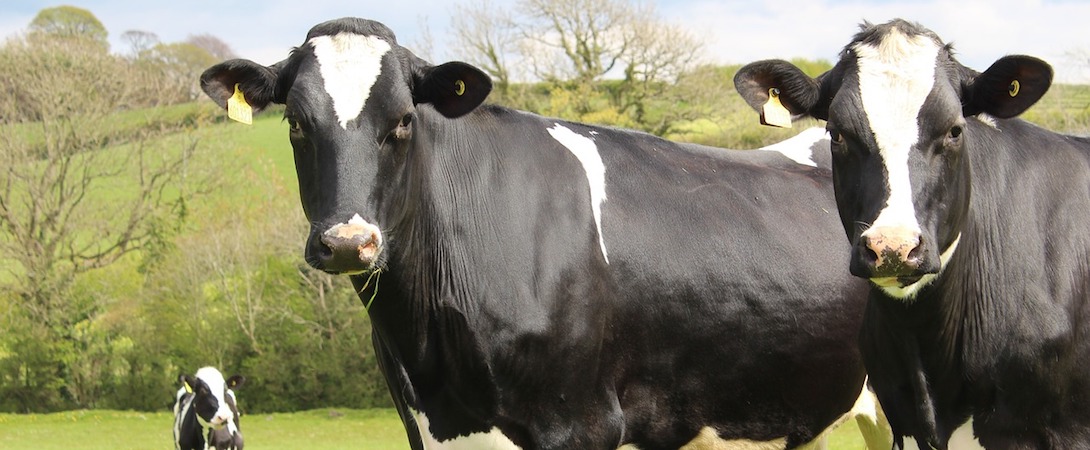
Antimicrobial resistance happens when germs like bacteria develop the ability to survive the medicines designed to kill them, making infections harder to treat. A major contributor to this issue is our food system. The use of antimicrobial drugs in agriculture, especially in farmed animals, is common for treating and preventing diseases. However, this widespread use leads to the development of drug-resistant bacteria. These resistant bacteria can then spread and endanger the health of animals, people, and the environment.
A team of researchers set out to understand this issue not as a simple problem, but as a complex system with many interconnected parts. They wanted to create a map that shows how different factors in the food system influence each other to either worsen or improve the antimicrobial resistance crisis.
Instead of conducting new experiments, the researchers performed an “umbrella review.” They collected and analyzed 80 existing high-quality systematic reviews on the topic of antimicrobial resistance in the food system. From this large body of evidence, they identified all the cause-and-effect relationships that have been documented.
Then, using this information, they created a “causal loop diagram,” a visual map that shows how all the pieces of the puzzle fit together. This approach allowed them to see the bigger picture and identify the feedback loops and hidden pressures that keep the problem going.
The study confirmed that antimicrobial resistance spreads through a complex web that connects farmed animals, their manure, soil, water, crops, and humans. Rather than a one-way street, it’s a series of cycles.
Key Driver
The most direct driver of antimicrobial resistance is the use of antimicrobials in farmed animals. This is often spurred by a desire to protect animal health and welfare, but it’s also closely tied to the financial viability of farms. More intensive farming methods, in particular, can increase the need for antimicrobials to prevent disease outbreaks.
Feedback Loops
The most critical finding was the identification of over 40 feedback loops that reinforce the spread of antimicrobial resistance. For example:
- Manure from animals treated with antimicrobials contains resistant bacteria. When this manure is used as fertilizer, it contaminates soil and water.
- This contaminated water is then used to irrigate crops, which can carry the resistant bacteria.
- The resistant bacteria can then spread to humans who eat the crops or back to other animals who consume contaminated feed, starting the cycle all over again.
Widespread Contamination
Resistant microorganisms were found to spread from farms to nearby bodies of water, from animals to farm workers, and from wild animals who come into contact with contaminated environments.
Impact On Animals
For farmed animals, antimicrobial resistance leads to infections that are more difficult and expensive to treat. This not only harms their health and welfare but can also make them more vulnerable to other diseases, ironically creating a need for more antimicrobials and hurting the farm’s financial stability.
Implications
This research provides a powerful roadmap for understanding and tackling antimicrobial resistance. It shows that isolated solutions are unlikely to work.
- A “One Health” approach is crucial: The findings prove that the health of animals, humans, and the environment are deeply intertwined. Advocacy efforts to reduce antimicrobial use must consider all three. Protecting farmed animals from antimicrobial resistance ultimately helps protect public health and our ecosystems.
- Economics drive behavior: The study highlights that farmers are often caught between protecting their animals’ health and ensuring their farm’s economic survival. For advocacy to be effective, it must address these economic pressures. Solutions should make it easier and more profitable for farmers to become better antimicrobial stewards.
- Focus on prevention: Rather than just calling for a ban on antimicrobial use, advocates can promote preventative strategies that reduce the need for these drugs in the first place. This includes advocating for higher-welfare farming systems with better biosecurity, lower animal densities, and robust vaccination programs. By creating healthier environments for animals, we can break the cycle of disease and treatment that fuels antimicrobial resistance.
The study also pointed out areas where more research is needed, such as understanding the role of consumer demand for cheap food and how antimicrobial resistance spreads through environmental reservoirs like rivers and soil. By understanding the system as a whole, we can identify the most effective places to intervene and create lasting change for animals and everyone else.
https://doi.org/10.1016/j.onehlt.2025.101143

Citations:
Astbury, C. C., Hu, C., Sivapragasam, K., Rajan, A., Geise, M., Aenishaenslin, C., Ruckert, A., Togño, K. C., Wiktorowicz, M., & Penney, T. L. (2025). Interconnections between the food system and antimicrobial resistance: A systems-informed umbrella review from a One Health perspective. One Health, 21, 101143. https://doi.org/10.1016/j.onehlt.2025.101143