Zoos May Reinforce Conservation Mindedness, But Not Create It


Millions of people visit zoos in North America each year. Zoos claim to increase the public’s interest in animals, though many animal advocates would dispute the extent of this claim. At Faunalytics, we have covered studies about zoos before, such as national polls about zoo education, and the kinds of lessons learned by children at the zoo. However, it is not clear how effective they are at increasing conservation-mindedness in visitors.
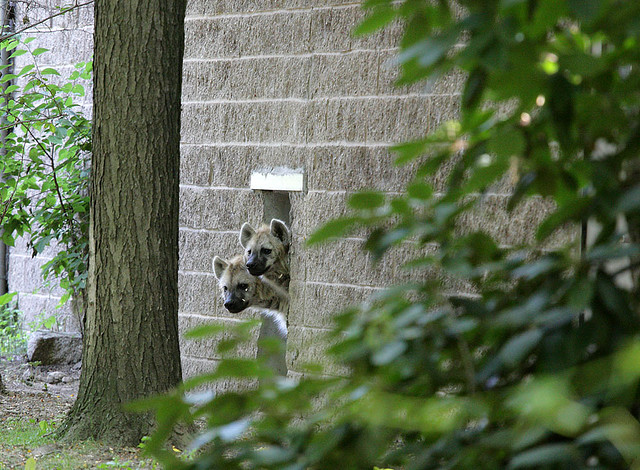
This study, published in Anthrozöos, examines whether the public gains an understanding about the captive animals that they observe in zoos by looking at the personal and group dynamics that might affect what visitors take away from their zoo experience. The research begins from the assumption that zoo visitors are not blank slates, that they already have feelings and presumptions about animals before entering the zoo gates, and that different animals may elicit different feelings in people. The researchers studied nearly 440 adult visitors to a large carnivore exhibit (the “Tiger Mountain” exhibit, which included enclosures with tigers and hyenas) and surveyed them about their feelings towards the exhibited animals prior to and after visiting the exhibit.
The researchers asked a series of closed questions in order to determine the number of animal behaviors the visitor observed, the emotional response elicited, and the subsequent conservation outcomes. Some of the enclosures provided enrichment for the animals while others simply had a “baseline” environment. The findings show that a predisposition of the respondents towards conservation-mindedness was a major factor in how they experienced the zoo. However, even though conservation-mindedness and predisposition were correlated, a causal link was not established.
The authors note that part of the correlation they discovered is related to how engaging the exhibits are. They are interested in discovering how zoos can create positive emotional experiences, and the questions they asked the visitors were geared towards this. They note that their study and others they cite are beginning to provide a strong theoretical framework for the “continued exploration of how zoos and other nature-based institutions can design visitor experiences that best deliver on institutional missions.” Though this wouldn’t appease those advocates campaigning for an end to animals in captivity for entertainment, a positive aspect of the study’s findings is that respondents tended to find exhibits with environmental enrichment to be much more engaging and worthwhile.
Overall, researchers appear primarily concerned with how zoos may help wildlife through the rather abstract goal of increasing “conservation-mindedness” in zoo visitors. However, there is no concrete evidence in this study that the positive feelings experienced by zoo visitors actually affect their future actions. This research indicates that zoos do not necessarily engender new feelings of conservation-mindedness in visitors, but rather that they may enhance ones already there. Reinforcing conservation-mindedness among the general public can be done in numerous ways, many of which would not need to involve zoos or captive animals. But the question of how we create conservation-mindedness where it does not already exist remains.

Citations:
Powell, D. M., & Elizabeth V. W. Bullock, E. V. W. (2014). Evaluation of Factors Affecting Emotional Responses in Zoo Visitors and the Impact of Emotion on Conservation Mindedness.