
Unnatural Interactions: Social Media Influencers And Apex Predators


Animal-visitor interactions — touching, holding, or posing with captive wild animals — have become a social media sensation, drawing millions of views online and growing in popularity. These interactions, often featured in influencer content or promotional videos, appear to showcase harmless curiosity or even conservation. However, research suggests that such viral clips can distort public understanding of wild animal welfare and normalize unsafe, unnatural contact with large apex predators in particular. This study explored YouTube videos and viewer responses to better understand how social media portrays these encounters and how audiences interpret them.
The researchers analyzed 78 YouTube videos created by social media influencers that were posted between 2017 and 2022 and featured interactions with captive big cats and crocodilians. They recorded the number of subscribers to each YouTube channel, as well as the number of views and likes for each video. The researchers also used sentiment analysis to determine whether the comments left on the videos were positive, negative, or neutral.
The videos were filmed at venues in the U.S., Thailand, Central America, Australia, and South Africa. Species included tigers, lions, jaguars, leopards, ligers (hybrid offspring of a male lion and female tiger), saltwater crocodiles, Nile crocodiles, and American alligators. Interactions involved touching, holding, swimming with, and photo opportunities with these animals.
Close to one-third (29.5%) of the videos had surpassed one million views. Like-to-view ratios were highest for crocodile interactions and lowest for big cat venues in Thailand. Less than half (41%) of the videos mentioned animal welfare, and only 37% mentioned the species’ conservation status, threats to the species in the wild, or efforts to protect the species in captivity.
Sentiment analysis covered roughly 190,000 comments, of which 52% expressed positive sentiment, 29% were neutral, and 19% were negative. The most common positive reactions included words like “love,” “like,” and “good,” while negative comments often questioned the ethics of captivity or suggested animals appeared “drugged.” Many of the influencers made reference to conservation by using terms like “saving” or “protecting” the animals. However, they provided little or no detail on what they were saving or protecting the animals from, or how.
Overall, the findings reveal that most videos portray direct animal-visitor interactions as entertaining and safe, while downplaying the risks and welfare implications of such encounters. This pattern, the authors conclude, helps normalize unnatural interactions with apex predators and perpetuates misleading ideas about conservation and animal welfare. Under the guise of education, social media influencers often promote wildlife exhibits, presenting animals in unnatural ways and sharing misleading information primarily to boost attention, attract visitors, and ultimately generate a profit.
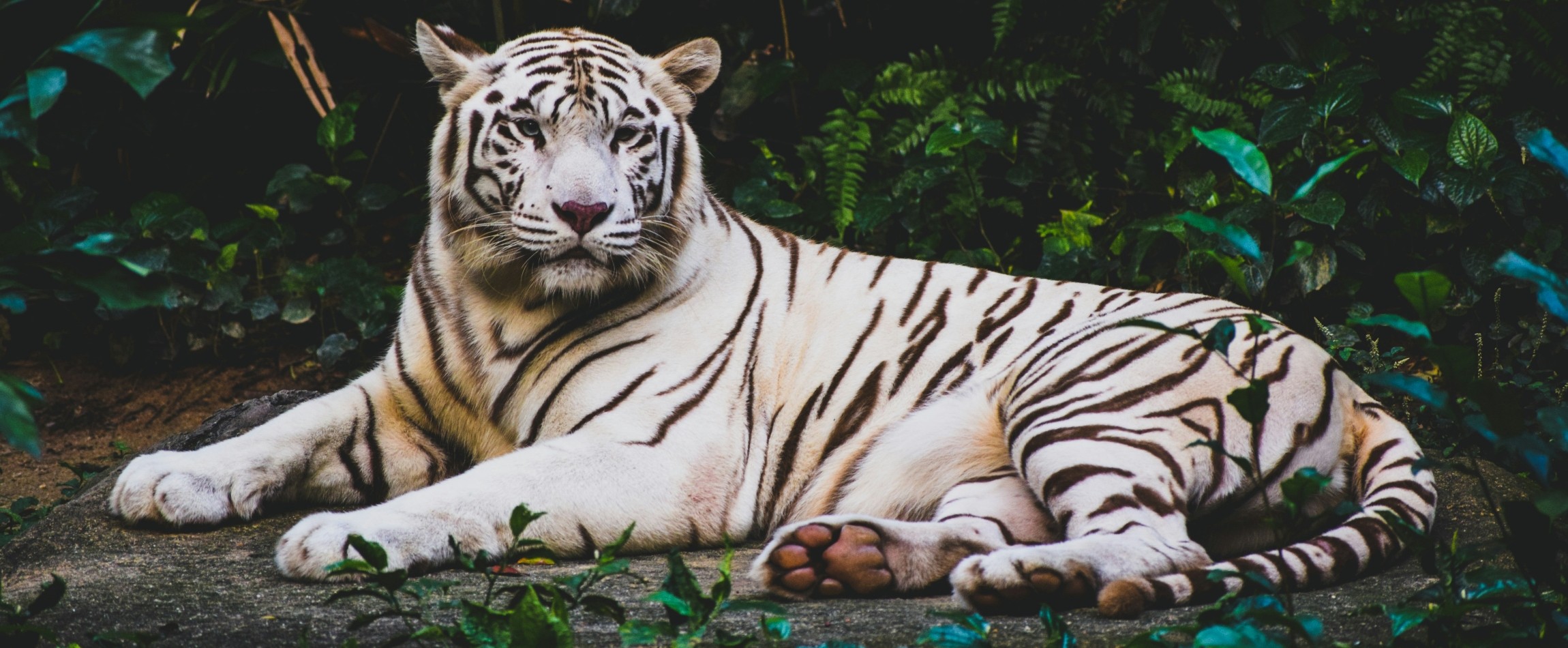
For example, white Bengal tigers were often described as merely being a color variation because they “live in the snow.” Yet, it’s well documented that many white tigers in captivity are inbred to maintain this recessive trait, and consequently suffer a number of health problems. Another cited issue is the constant supply of young animals. Separation of big cat cubs from their mothers at a young age is associated with negative impacts on their health and behavior, and potentially causes psychological stress to both the mother and cub.
These interactions are part of a broader trend in “wildlife tourism” and influencer culture, where close contact is marketed as both educational and ethical. However, such portrayals blur the line between conservation and entertainment, promoting a false sense of safety and neglect regarding long-term impacts on captive animals. The researchers highlight how social media acts as a powerful amplifier of misinformation, shaping public perceptions of what’s normal or acceptable in animal-visitor interactions, and masking the underlying issues of animal welfare, exploitation, and risk that accompany these staged encounters.
Taken together, the findings show how social media platforms play a powerful role in shaping public understanding of wild animals and captivity. By glamorizing close contact with big cats and crocodilians, creators and influencers often promote a distorted image of conservation that prioritizes entertainment over animal welfare. The overwhelmingly positive viewer responses reveal how easily audiences absorb these messages, reinforcing the false notion that touching or posing with apex predators is harmless or even beneficial.
The study highlights an urgent need for greater digital accountability, public awareness, and ethical communication about animal-visitor interactions to prevent the ongoing normalization of exploitative practices and dissemination of misinformation. Some may think that they’re helping wild animals by keeping them in what appears to be a safe, enclosed space for human entertainment. But this kind of “protection” doesn’t show how animals actually live in the wild, and it can make people forget what nature is like and how humans are, or aren’t, connected to it.
https://doi.org/10.1007/s44338-025-00118-2

Citations:
Harrington, L. A., Elwin, A., & D’Cruze, N. (2025). Viewer perceptions (and misperceptions) of animal-visitor interactions with big cats and crocodilians on YouTube. Discover Animals, 2, 65. https://doi.org/10.1007/s44338-025-00118-2
