
The Hidden Costs Of Surplus Animals In Research


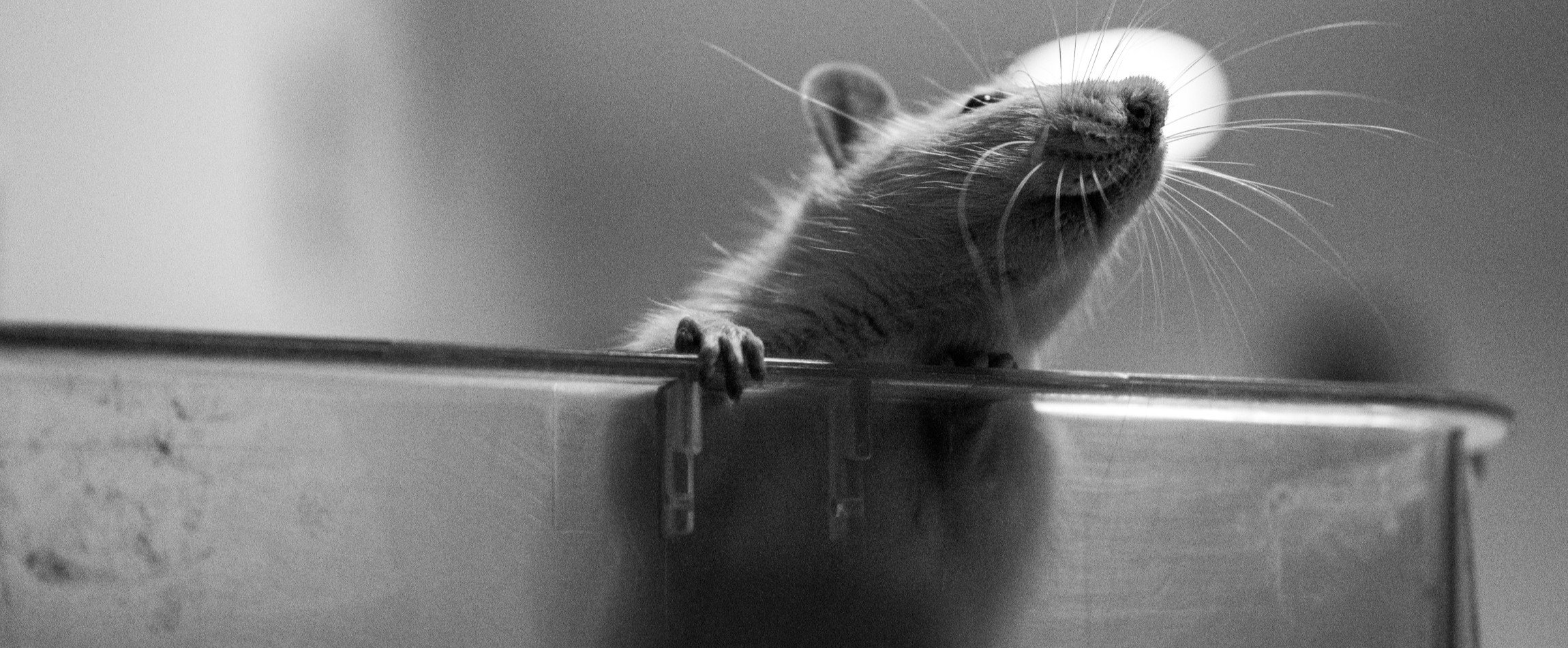
Each year in Switzerland, approximately 1.2 million animals are used for scientific purposes. About half — around 600,000 — participate directly in experiments. The other half are so-called surplus animals: animals who are bred for research but never actually used. This may be because they don’t have the necessary genetic make-up or they aren’t the required sex or age, or because breeding produces more animals than any given experiment requires. Surplus animals are typically housed under standard laboratory conditions and killed when they’re no longer needed.
Animal research ethics has long focused on the pain and distress animals experience during experimental procedures — surgeries, injections, and disease models, among others. But the lives of research animals outside those procedures, including surplus animals, have received far less ethical and legal attention. This paper aims to address that gap.
The authors argue that Switzerland’s current approach to animal research significantly underestimates the harms involved. Their core claim: the standard housing conditions, killing methods, and deaths of research animals, including surplus animals, cause real harms that should be formally recognized under Swiss law and factored into the approval process for animal research.
This is a legal-philosophical analysis rather than an empirical study. The authors draw on Swiss law, ethical philosophy, and existing animal welfare science to build their argument. Their framework distinguishes between two types of harm:
- Sentientist harms, which are harms that an animal experiences subjectively, such as pain or anxiety; and
- Non-sentientist harms, which affect an animal’s dignity, species-typical behaviors, or capacity for flourishing regardless of whether they involve subjective suffering, such as humiliation or being treated as a mere tool.
Under current Swiss law, neither standard housing conditions nor the killing and death of animals by legally accepted methods are considered harms, meaning they’re not included in the formal harm-benefit analysis that governs research approvals.
Three Harms The Law Doesn’t See
The authors make three central arguments. First, standard housing conditions may themselves cause harm. Research animals, especially rodents who make up the majority, are kept in conditions that restrict natural behaviors like burrowing, foraging, exploration, and complex social interaction. Behavioral research has shown that these restrictions can cause boredom, frustration, stress, and depression. The authors also cite a 2022 meta-analysis finding that standard laboratory housing for rats and mice significantly increases the severity of stress-related conditions, including anxiety, cancer, cardiovascular disease, and stroke, compared to enriched environments, and raises overall mortality rates. The authors argue that these housing conditions should be classified as non-sentientist harms (for frustrating species-specific interests) and potentially as sentientist harms (for causing negative subjective experiences).
Second, death is a non-sentientist harm. Philosophers have proposed several accounts of why animal death matters morally: deprivation accounts hold that death is bad insofar as it prevents an animal from experiencing future goods, while desire-based accounts hold that death is bad because it frustrates an animal’s existing interests and desires. The authors don’t attempt to settle which account is correct, but note that across all major positions in the literature, animal death carries at least some moral weight. Building on this, they argue that even when surplus animals never had any scientific value to the researcher, their killing still violates their dignity. This forecloses the possibility of flourishing, and should be morally significant.
Third, killing is a sentientist harm. Many commonly used killing methods cause distress before death. Carbon dioxide exposure, one of the most widely used methods for rodents, can cause air hunger and possibly pain before loss of consciousness. Cervical dislocation carries a risk of error that may result in considerable suffering. Even chemical methods generally considered more humane, such as barbiturate overdose, involve concerns about longer times to death. The authors note that Switzerland’s own veterinary authority has acknowledged uncertainty about the humaneness of carbon dioxide and is currently funding research into alternatives. Across all commonly used methods, no universally accepted approach reliably minimizes pain and distress.
Ethical And Legal Implications
Because these harms are currently unrecognized in Swiss law, they’re excluded from the harm-benefit analysis that governs research approvals. The authors call for legal reform requiring that housing conditions, killing, and death be included in severity classifications and research authorization for surplus and experimental animals alike.
They also note that recognizing death as a harm would complicate current ethical trade-offs within the 3Rs framework of replacement, reduction, and refinement. If death is morally significant, then using fewer animals with greater individual suffering may sometimes be preferable to using more animals with lesser individual suffering — a calculation that current Swiss guidelines don’t easily accommodate.
Limitations
The authors acknowledge variability in findings on housing conditions and note that Swiss standards slightly exceed those described as “standard” in some cited research, making it uncertain whether the results translate directly to the Swiss context. Some philosophical arguments about the badness of animal death also rely on contested assumptions about animal cognition (such as whether animals have a concept of death). The authors don’t claim to resolve these debates, but argue that across major positions in the literature, animal death is morally significant.
For Animal Advocates
This paper offers advocates a powerful framework for expanding the moral scope of animal research debates. For years, the dominant ethical question has been how much animals suffer during experiments — a framing that leaves untold numbers of animals entirely outside the ethical ledger. By arguing that housing conditions, killing, and death all constitute genuine harms, the authors provide a basis for demanding that research institutions and regulators account for the full scope of what animal research costs animals. In a sign that momentum is building, Switzerland will require research facilities to track and report the fate of all animals not used in experiments, including how many were killed, rehomed, or died, starting in 2026.
However, the implications also reach beyond Switzerland. If death and standard housing are harms (and the authors make a compelling case that they are), then official statistics on how many animals are “used” in research dramatically undercount the animals affected. Advocates pushing for stronger regulations, reductions in animal research, or improved 3Rs implementation can draw on this paper’s ethical analysis to support those arguments. The case being made here isn’t just about reform at the margins; it’s about whether the true moral cost of animal research has ever been honestly calculated.
This summary was drafted by a large language model (LLM) and closely edited by our Research Library Manager for clarity and accuracy. As per our AI policy, Faunalytics only uses LLMs to summarize very long reports (~50+ pages) that are not appropriate to assign to volunteers, studies that contain graphic descriptions of animal cruelty or animal industries, and research on niche topics. We remain committed to bringing you reliable data, which is why any AI-generated work will always be reviewed by a human.
https://doi.org/10.58590/leoh.2026.001

Citations:
Eggel, M., Camenzind, S., & Jirkof, P. (2026). Reasons to reduce surplus animals in research (in Switzerland) – Or why the killing and death of animals and potentially standard husbandry conditions should be classified as harms. Journal of Animal Law, Ethics and One Health, 1–15. https://doi.org/10.58590/leoh.2026.001
