How Ethics Committees Review Animal Research


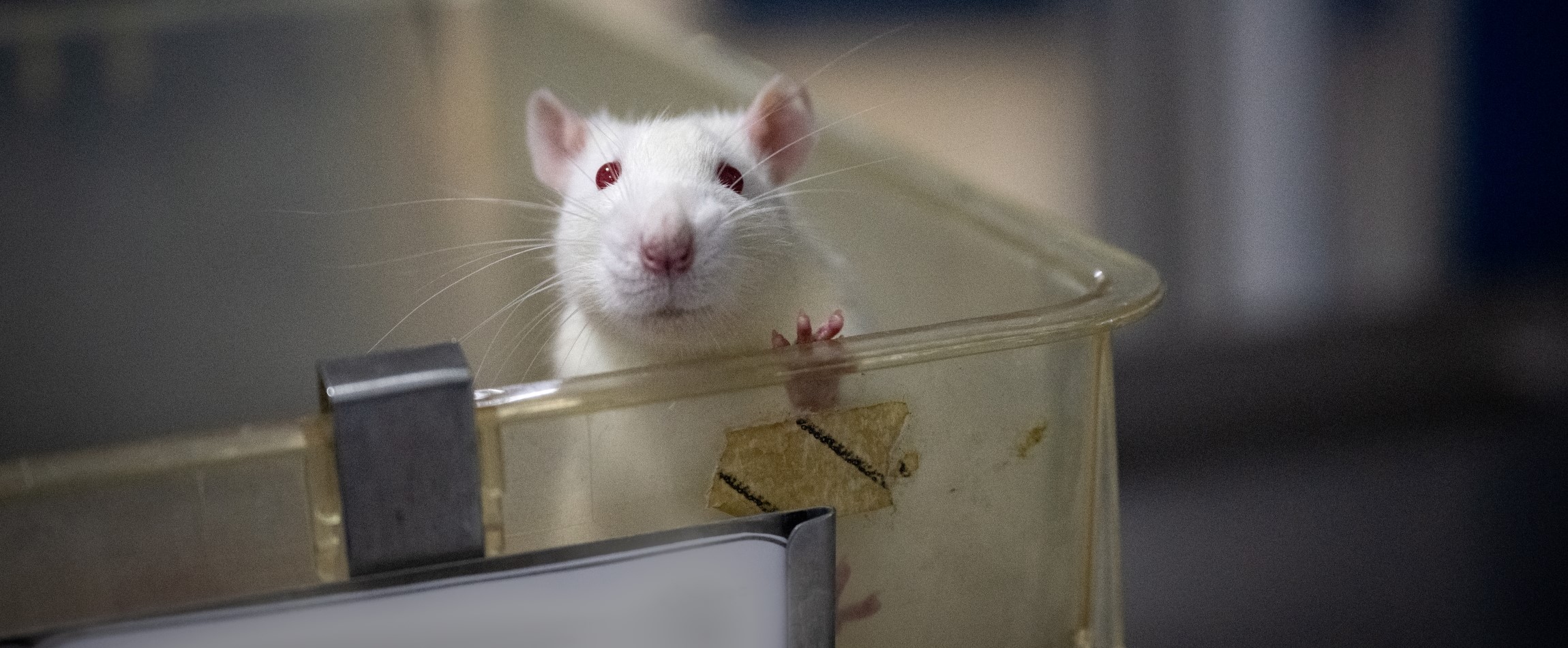
Millions of animals — including mice, rats, monkeys, pigs, fishes, and others — are used in scientific research every year, and often subjected to painful and distressing procedures. Most institutions are required to review proposed research through committees established for that very purpose. In Europe, these are Animal Ethics Committees (AECs), while in the U.S., these are Institutional Animal Care and Use Committees (IACUCs).
AECs are expected to apply ethical standards like the 3Rs:
- Replacement: Use non-animal alternatives whenever possible, such as computer models or cell cultures.
- Reduction: Use the smallest number of animals needed to get reliable results.
- Refinement: Change the experiment or animal care practices to reduce suffering, like providing pain relief or better housing or using less invasive techniques.
They must also use harm-benefit analyses to ensure that the expected benefits of a study, such as new scientific knowledge or medical treatments, outweigh the potential harms to animals, including pain, distress, and death. While IACUCs often use these standards, they don’t require the same structured assessment as AECs.
Despite these frameworks, advocates and scholars have questioned how consistently the 3Rs and harm-benefit analyses are applied, and whether committee decisions are based on independent and clear reasoning.
To better understand how AECs and IACUCs actually make decisions, the authors undertook a scoping review of the scientific literature. They analyzed 12 studies published between 2012 and 2024, which included quantitative, qualitative, and mixed-method approaches. The authors focused on two broad themes: the principles committees use to guide their decisions and the factors that influence the decision-making process.
Guiding Principles
When it came to applying the 3Rs, reduction and refinement were emphasized far more often than replacement.
While many committee members claimed to focus on reducing animal use, actual committee documents revealed these assessments were often minimal, with attention mainly paid to sample size calculations.
Refinement, such as providing enrichment or minimizing pain, was taken more seriously, especially for animals like primates. In some cases, members even used refinement to support using more animals.
Replacement, in contrast, was rarely discussed in detail. Searches for non-animal alternatives were often missing from meeting notes and forms, perhaps due to this requiring more effort or knowledge from committee members.
Harm-benefit analysis was a central part of these ethical reviews, but was inconsistently applied. Although committees frequently discussed harms to animals, potential research benefits were mentioned less often. Some members were even told to avoid discussing benefits and to focus only on minimizing harms. This imbalance raises concerns, as committees risk approving studies that may cause suffering without meaningful benefits.
Even when committees did try to weigh harms and benefits, the process was often vague. Members disagreed on how to assess suffering, and written decisions rarely included clear justifications. Additionally, most committees didn’t formally evaluate the overall quality of the research design. Without scientific merit, the harms caused to animals may be unjustified.
Influencing Factors
A lack of clear guidelines for reviewing research proposals caused variable decision-making among committees. The authors also found that internal dynamics often influenced committee discussions, such as who led the conversation, how confident members felt speaking up, or what kind of expertise members had. Committees that lacked diversity in professional background or perspective were more likely to reach decisions without robust debate, increasing the risk of bias or oversight.
In some cases, applicants’ credentials or prior funding decisions were assumed to be a sign of study quality, leading to less critical review. For example, committees affiliated with research institutions were less independent and often biased.
Limitations
The review included just 12 studies, many from the same researchers and countries (namely the U.S. and Sweden). Many studies used self-reported data, which may not reflect actual committee practices. As such, the findings may not fully represent how all committees operate globally.
Conclusion
This review suggests that animal research protocols are often approved without thoroughly discussing replacement methods, potential benefits, or scientific validity.
For animal advocates aiming to improve ethical oversight of animal research, the authors outline a number of actionable recommendations to strengthen how ethics committees operate:
- Develop new guidance for conducting harm-benefit analyses, particularly focusing on scrutinizing the claimed benefits of research.
- Diversify committee membership to include voices beyond researchers and veterinarians, ensuring broader expertise and reducing pro-animal-model bias.
- Reevaluate the ethical frameworks used in review processes, ensuring they work for all stakeholders, including scientists, ethicists, and public representatives.
- Improve training for committee members, both on ethical principles and how to collaborate with those holding opposing views.
- Require scientific validity assessments as a formal step before ethical review begins.
- Conduct ethical review earlier in the planning process, before funding decisions are made, to help preserve objectivity.
https://doi.org/10.1371/journal.pone.0318570

Citations:
Milford, A., De Clercq, E., Louis-Maerten, E., Geneviève, L. D., & Elger, B. S. (2025). How animal ethics committees make decisions — a scoping review of empirical studies. PLOS One, 20(3), e0318570. https://doi.org/10.1371/journal.pone.0318570