Beyond The Lab: Unveiling Hidden Harms In Animal Research


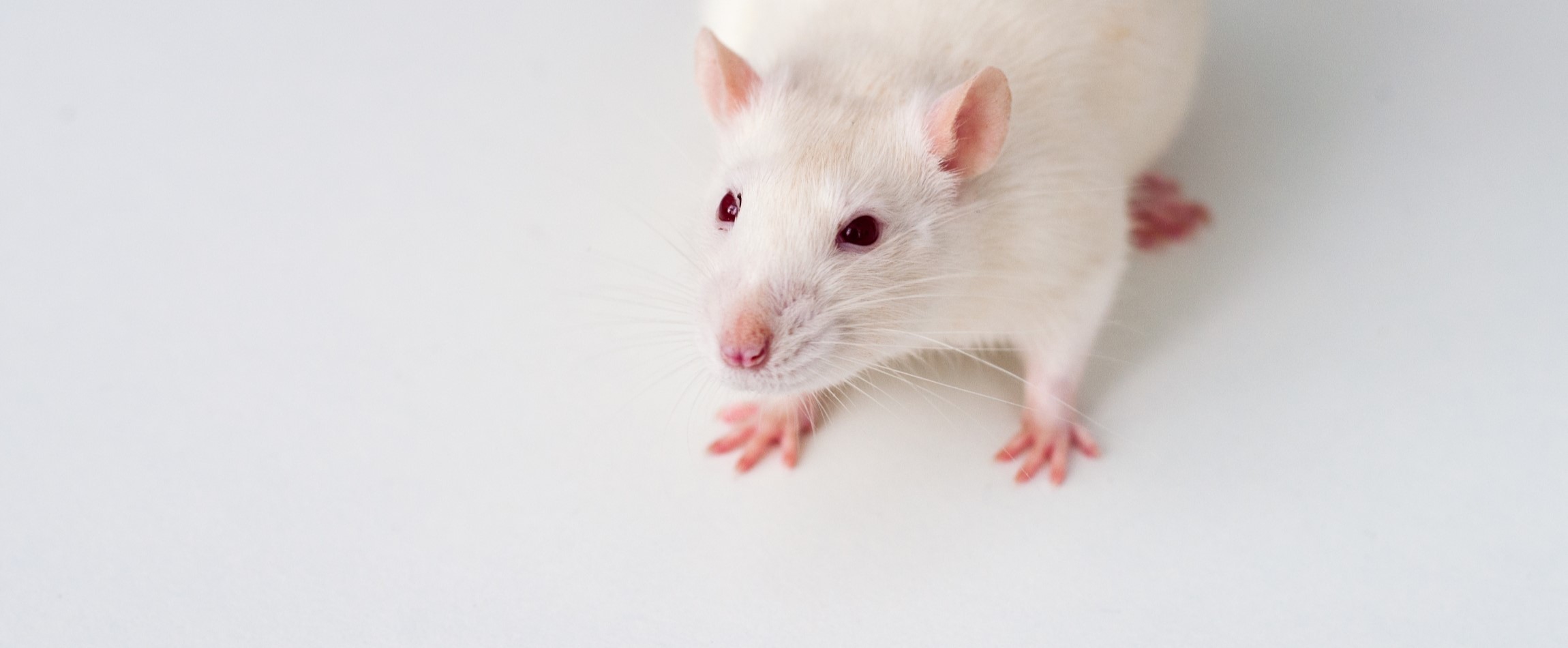
In 2021, 994,297 animals were held or used in research facilities in the United States. Yet this number excludes fishes and rodents, the most extensively used animals, because they’re exempt from the Animal Welfare Act (AWA) and therefore not counted. Rodents alone are thought to account for 93 to 99% of mammals in U.S. labs, with estimates of 10 to 115 million used annually. Given the scale of use and potential for suffering, it’s not surprising that scrutiny of animal research focuses on the welfare of animals within these settings.
However, critical ethical decisions extend beyond the lab, as humans determine how these animals are born, how they live, and how they die. This paper examines three contexts where nonhuman research subjects are vulnerable to harm: breeding, transportation, and end-of-study protocols.
The analysis is guided by three key assumptions:
- Sentient animals have moral standing and their interests must be considered;
- Fishes, rodents, and other research animals are sentient; and
- Different animals require different levels of protection based on their specific interests and needs.
Breeding
Breeding facilities produce many animals who aren’t used in research. In 2021, 166,322 animals were held but not used in U.S. research facilities, representing about 17% of all AWA-covered animals. The European Union reported holding 14 million “surplus” lab animals in 2017, which, unlike U.S. figures, includes fishes and rodents. This means that for every two animals used in experiments, three were bred but not used.
Breeding practices often prioritize cost savings and output over animal welfare. This can result in increased stress from handling and invasive procedures like ovarian transplants and in vitro fertilization (a process where eggs are fertilized outside the body and then implanted). Additionally, breeding facilities often organize animals into group sizes and compositions that deviate from natural mating and rearing behaviors, which can cause further stress. Perhaps most concerningly, breeding commonly results in animals with harmful characteristics such as skin disorders, cardiovascular disease, or even lethal syndromes.
Transportation
Millions of animals are imported into the U.S. annually for research, involving transport between facilities and countries via ground and air. Lab animals are sometimes shipped as air cargo, although many major airlines now refuse to carry animals for research purposes, particularly nonhuman primates. Transport durations vary, with ground transport for rodents ranging from under 24 hours to several days. Transportation is inherently stressful and risky for animals. For example, adult zebrafishes are often denied food for 24 hours before being transported in high densities in plastic bags, creating hazardous conditions.
End Of Study
Following their use in research, animals are typically killed. Humans also kill surplus animals who are no longer useful for breeding or have unwanted characteristics. Methods range from “humane” techniques like barbiturates (a type of drug that causes loss of consciousness and death at high enough doses) to more controversial ones such as gassing them with certain chemicals or heating their brains using focused beam microwave radiation. As an alternative, some research facilities offer adoption or “retirement” programs for animals, but these are limited and not widely implemented.
Extra-Lab Risks And Harms
Clearly, treatment of nonhuman research subjects beyond the lab raises serious ethical concerns and these practices require careful evaluation and institutional oversight. In the U.S., Institutional Animal Care and Use Committees (IACUCs) primarily focus on research protocols rather than these additional impacts. The authors argue that a comprehensive ethical framework is essential for ensuring humane and responsible research practices that fully consider welfare throughout an animal’s life, not just during an experiment.
How risks and harms are assessed depends on the ethical framework applied. In the U.S., IACUCs use the “3 Rs” framework — Replacement, Reduction, and Refinement — which focuses on minimizing animal use and distress in research. The authors suggest that more rigorous frameworks would emphasize meeting animals’ basic needs and may restrict certain beyond-the-lab practices.
In highlighting the harms that animals are exposed to outside of an experiment, this paper draws attention to the fact that we may very well be underestimating the welfare impacts of animal research. Animal advocates can use this information to bolster arguments in favor of more thorough ethical reviews and increased oversight of research activities.
https://doi.org/10.1001/amajethics.2024.716

Citations:
Sellars, L., & Sebo, J. (2024). How should treatment of animals beyond the lab factor into institutional review? AMA Journal of Ethics, 26(9), E716-723. https://doi.org/10.1001/amajethics.2024.716