Global Salmon Escape Policies Show Widespread But Weak Regulation


The global salmon farming industry faces a persistent challenge: farmed salmons regularly escape from ocean-based cages, potentially harming wild fish populations and marine ecosystems. This analysis of escape policies across the world’s 14 largest salmon-producing regions reveals both progress and significant gaps in how governments regulate escaped fishes.
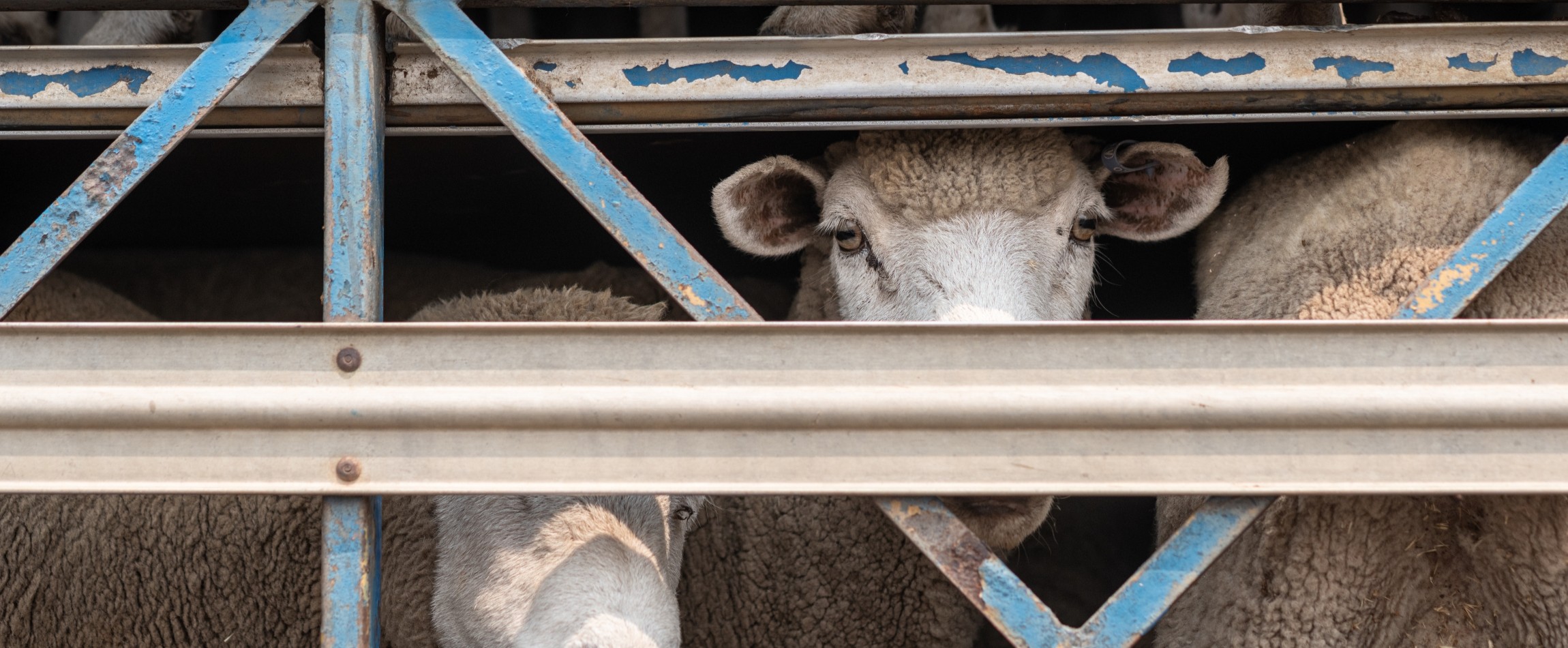
Most farmed salmons are raised in net pens in the ocean. When these fishes escape due to storms or equipment failure, they pose a significant threat to wild fish populations and their habitats. Escaped salmons compete with native fishes, spread disease, and interbreed with them. This interbreeding is especially damaging to wild Atlantic salmons, as it can contaminate their genetic makeup and weaken the species.
The study’s most striking finding is that regulations to prevent farmed salmon escapes are now universal. Every one of the 14 major salmon-producing regions now has specific policies to manage escapes. This is a huge improvement from 2005, when nearly a third of these regions had no rules at all. However, this universal coverage masks enormous variation in policy strength and effectiveness. The researchers evaluated policies across five key areas:
- Regulatory frameworks;
- Production requirements;
- Reporting and recapture rules;
- Monitoring obligations; and
- Sanctions for violations.
Most regions have established production requirements aimed at preventing escapes. These include specifications for net types and maintenance schedules, requirements for “escape-proof” nets, and in some cases, mandates to use sterile triploid fishes who can’t reproduce if they escape. Several regions require detailed escape management plans and regular equipment inspections.
Some of the more innovative approaches include Norway’s comprehensive technical standards for escape prevention and New Brunswick’s requirements for specific cage and net combinations designed to protect fishes from both escape and predators like seals.
One of the most problematic aspects of current policies is the wide variation in what constitutes a “reportable” escape event. Washington State requires reporting when more than 3,000 fishes escape, while Tasmania sets the threshold at 500 fishes. New Brunswick and Maine require reporting when just 50 fishes escape, and Newfoundland and Labrador recently changed their requirement to a single escaped fish. This inconsistency makes it virtually impossible to assess the global scale of the escape problem or compare regional performance. It also means that significant numbers of escaped fishes may go unreported in regions with higher thresholds.
While most regions require companies to attempt recapturing escaped fishes, research shows these efforts typically recover only a small percentage of escapees. The policies vary widely in their specific requirements with some emphasizing having recapture plans rather than actually recovering fishes, while others may not require recapture efforts for all reported escapes. In some regions, the legal status of escaped fishes creates additional complications. In eastern Canada, escaped farmed salmons are paradoxically considered wild Atlantic salmons under federal law, which restricts who can legally catch them and how recapture efforts can proceed.
The most significant weakness across global policies is the lack of meaningful sanctions. Most regions either have no specific penalties for escape events or impose sanctions too weak to provide real deterrence. This stands in stark contrast to Chile and Norway, which have implemented strict penalty systems including substantial fines and potential license revocation. Chile exemplifies the potential for strong enforcement, having imposed a record $6.6 million fine on one company for a major escape event of around 700,000 fishes. The country has also established that companies can avoid fines by recapturing at least 10% of escaped fishes, creating direct incentives for effective response.
A notable trend across several regions is the development of “codes of containment” which are regulatory frameworks developed not by government agencies but by industry organizations themselves. While these codes can complement formal legislation, the researchers express concern about the effectiveness of having aquaculture companies essentially regulate themselves on escape prevention.
This research offers several key takeaways for people working to protect our oceans. First, it proves that with enough pressure, rules can be put in place all over the world. The fact that every region adopted escape policies shows that getting everyone on board with new regulations is possible. However, advocates should now focus on making existing weak rules stronger, not just creating new ones. The main goals should be pushing for tougher penalties, clear standards for reporting escapes, and better requirements for monitoring farms.
The study also points out a basic problem concerning today’s open-net fish farms: escapes are almost guaranteed to happen. This suggests that groups might want to push for different farming methods, such as facilities built on land or fully enclosed ocean pens, especially in areas with fragile wild salmon populations. The researchers also highlight Washington State’s ban on Atlantic salmon aquaculture as a means of eliminating the problem of escapes.
Finally, the rules are much stronger in some places than in others. This means that advocates can learn from leading countries like Chile and Norway and use their success stories to help improve the regulations in regions with weaker rules. The research shows that while the basic rules for handling salmon escapes are now in place everywhere, a lot more work is needed to make them truly effective at protecting the ocean and wild fishes.
https://doi.org/10.1016/j.marpol.2024.106572

Citations:
Kolavani, N. J., & Mather, C. (2025). Regulating a ‘fish out of place’: A global assessment of farmed salmon escape policies and frameworks. Marine Policy, 173, 106572. https://doi.org/10.1016/j.marpol.2024.106572