The True Cost Of Fur: A Hidden Environmental Threat


The fashion industry’s environmental impact is increasingly under scrutiny, with studies showing it contributes significantly to global carbon emissions and water pollution. Despite this, the fur industry continues to promote its products as environmentally friendly, though these claims are often unsubstantiated and misleading. To uncover the truth behind these claims, this analysis set to determine the real environmental impact of fur production and compare it to alternatives.
The findings in the report reveal that fur’s environmental impact is far greater than that of other materials. The study shows that across multiple environmental indicators — including greenhouse gas emissions, water consumption, and pollution — fur consistently ranks as the most damaging textile material compared to common alternatives, debunking any claims of sustainability and eco-friendliness.
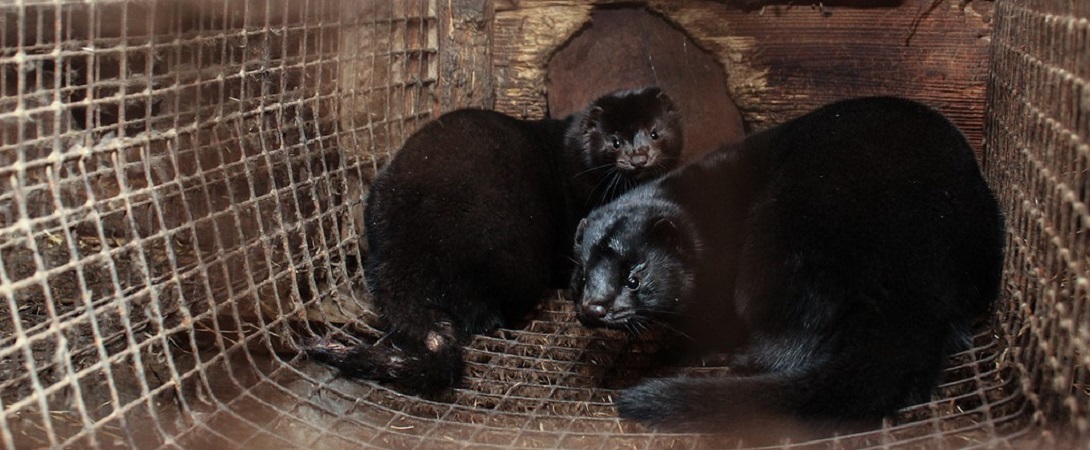
The farming of carnivorous animals for fur contributes significantly to greenhouse gas emissions and water pollution through the massive amounts of other animals required to feed them. Furthermore, these animals are confined in cages for months, all the while producing feces and urine, which can contaminate nearby lakes and rivers. Lastly, fur processing involves chemical treatments and dyeing processes, which consume large amounts of water and contribute to air and water pollution. In an increasingly environmentally conscious world, the use of fur fails the cost-benefit analysis as it exploits natural resources without serving pressing human needs and can be replaced by more sustainable materials.
For the in-depth analysis, data from across the entire supply chain was included, from raw materials production (which accounts for over 70% of fur’s greenhouse gas emissions) to the final product. The environmental impact of three fur types (mink, fox, raccoon dog) and five other materials (cotton, lamb fur, leather, polyester, and acrylic) were compared. Metrics included were air pollution emissions, greenhouse gas emissions, land use, waste, water consumption, and water pollution.
Mink fur emerged as the most damaging material of all, considerably outweighing other materials across multiple factors (air pollution, greenhouse gas emissions, water consumption, water pollution). In specific numbers, greenhouse gas emissions for mink fur were found to be 31 times higher than that of cotton, 26 times higher than acrylic, and 25 times higher than polyester. Water consumption for fur production was found to be five times higher than cotton, 91 times higher than polyester, and 104 times higher than acrylic.
The analysis also showed that the average water pollution generated by the three fur types was 3.08 kilograms per kilogram of fur produced, resulting in a staggering 100 times higher water-polluting impact compared to cotton, and 75 times more than acrylic for equal material weight. The average environmental impact of fur products was consistently higher than other materials across all metrics, with the exception of the land use and the waste production of cotton. In terms of overall carbon footprint, mink fur has a larger footprint than high-carbon foods like beef and chicken, with one kilogram of mink fur resulting in about seven times higher emissions than one kilogram of meat from cows.
For the production of accessories, fur-based products also significantly outweighed all other types of materials in terms of environmental impact. For example, parka trims and bobble hats made from raccoon dog fur had carbon footprints nearly 20 times and 2-3 times higher than their acrylic counterparts, respectively. In addition, the analysis found that raccoon dog fur accessories use up almost 100 times more water than acrylic alternatives.
Fur Is Going Out Of Fashion
As more and more of the cruelty and environmental impact of the fur business has come to light in recent years, businesses have shifted away from using fur in their product lines. Luxury fashion brands like Gucci, Prada, Kering, and Burberry are leading a shift toward sustainable and ethical fashion by declaring the removal of all fur in their collections. They acknowledge that the use of animal fur is incompatible with environmental values and modern luxury.
A number of the most well-known fashion brands have committed to the Fashion Industry Charter for Climate Action. This charter is designed to help companies reach net-zero emissions by 2050. Additionally, the United Nations Sustainable Development Goals call on governments, businesses, and individuals to work together to reduce waste, improve resource efficiency, and combat climate change.
For fashion companies, these international commitments will require them to critically evaluate their own material production chains and reduce their environmental impact. Continuing the use of animal fur is therefore increasingly seen as incompatible with these sustainability goals. Limiting the environmental impact of apparel is essential for meeting climate targets, and phasing out fur is a necessary step in aligning the fashion industry with these global efforts to reduce its ecological footprint.
The analysis shows that, apart from fur production being a questionable practice in terms of the treatment of animals, it is also a significant environmental problem. The intensive farming of millions of animals to wear their skins as clothing and accessories is far from environmentally friendly or sustainable. The report urges companies, consumers, and political parties to take action and recognize the true cost of fur production.
Companies and consumers need to be fully aware of the true environmental cost of fur, in addition to its devastating outcomes for animals and public health concerns related to zoonotic diseases. Political leaders have a crucial role to play in not only banning the farming of animals for fur, but also introducing bans on the import and sale of animal fur.
Ending the farming of foxes, mink, and raccoon dogs in Europe would save nearly 300,000 tonnes of CO2 equivalent, similar to removing the emissions of 58,000 U.K. residents. It would also reduce water pollution by 3,700 tonnes and air emissions by 11,800 tonnes.
Advocates against fur can use this report to underline how banning fur farming promotes a more sustainable future where compassion towards animals and respect for our planet go hand-in-hand. Likewise, coalitions of advocates can work together to ban fur farming on a global scale, for a world where fashion and compassion align, and the suffering of animals is no longer tolerated for the sake of vanity or luxury.

Citations:
Humane Society International. (2023). Fur’s dirty footprint: The ecological impacts of the global fur trade. Humane Society International U.K. Retrieved from: https://www.hsi.org/wp-content/uploads/2023/06/HSI_UK-Furs-Dirty-Footprint_Jun23.pdf