
Humane Companion Animal Population Management: Navigating Public Health, Animal Welfare, And Human Behavior Change


In many countries worldwide, managing stray animals presents a unique challenge, as it involves a complex intersection of public health, animal welfare, and cultural values. FOUR PAWS has been working on these issues in multiple countries for the last 25 years. Dogs and cats can be polarizing in communities: to some, they symbolize loyalty and companionship; to others, they evoke a different sentiment. They might be seen as threats to human health, a danger or nuisance, expendable commodities, or even a food source.
Despite decades of efforts by NGOs, veterinarians, and governments, the persistence of stray populations remains a topic of ongoing debate. In attempting to solve stray animal issues, inhumane practices such as mass culling, poisoning, and confinement are often implemented. Understanding this issue requires epidemiological and veterinary insights as well as a broader social and ethical perspective — one that considers speciesism, cultural practices, and the social and psychological relationships between humans and animals.
Companion Animal Population Dynamics
Understanding the diverse dynamics of animal populations is crucial, and how communities categorize and treat these animals significantly influences the interventions applied.
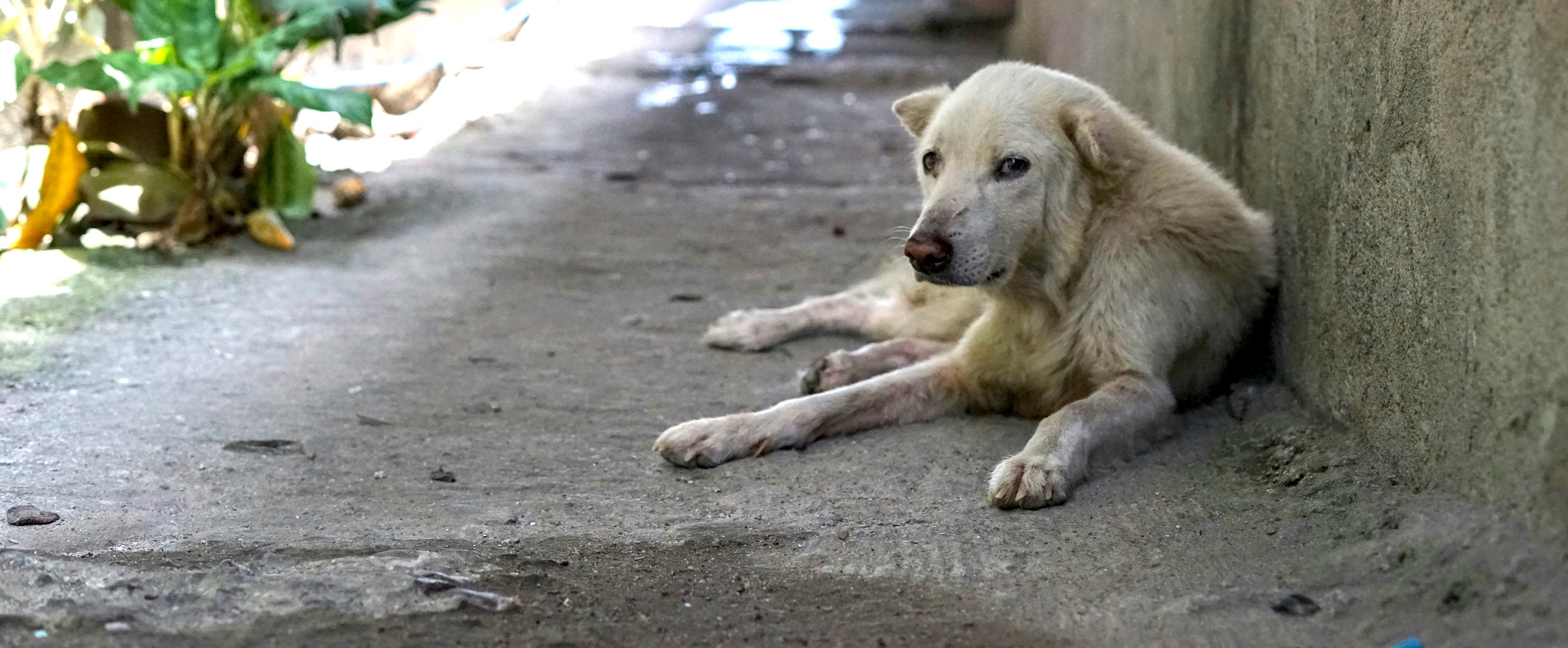
Dogs, for example, can be classified in various ways: owned and confined, owned and roaming, community-owned, and unowned. Community-owned dogs are common in Southeast Asia and blur the lines between owned and unowned. They roam freely and are fed and cared for by residents, but often lack formal ownership, leading to a lack of veterinary care, such as sterilization, vaccination, or other preventive health measures. Meanwhile, many animals on the street have been abandoned, often due to undesirable behaviors or changes in the guardian’s personal circumstances. At the same time, truly feral dogs live with minimal or no human interaction, frequently surviving on food scavenged from waste bins and dumps. These definitions and dynamics are important, as each one presents their own unique challenges, and groups such as the International Companion Animal Management Coalition (ICAM) have detailed resources on the subject.
Community-owned and owned dogs may be accessible for vaccination and sterilization, while feral dogs tend to evade human contact, making population management and vaccination campaigns challenging. However, it’s often the case that guardians may be unable or unwilling to sterilize and vaccinate, which also has impacts on the broader population, especially when those animals are allowed to roam. What’s more, locality is key: the population dynamics of dogs in Bangkok may be quite different than those in a place like Melbourne. Local insights are crucial in understanding the dynamics and, therefore, the needs of a community when designing a population management strategy.
Dog And Cat Population Management: A Model For One Health
The World Health Organization and the World Organization for Animal Health advocate for dog and cat population management (DCPM) as a comprehensive solution to issues related to strays. DCPM encompasses vaccination, sterilization, registration, and education, aiming to strike a balance between public health concerns and animal welfare. Unlike reactive and ineffective culling, DCPM addresses the root causes of overbreeding, abandonment, and irresponsible ownership.
The effectiveness of DCPM lies in its integration across sectors. Effective DPM requires a comprehensive system of services that addresses all sources of free-roaming and owned dogs, and mitigates the risks presented by current free-roaming dogs. Veterinary interventions such as sterilization reduce reproduction, while vaccination prevents the transmission of rabies and other diseases. Thoughtful, culturally sensitive education campaigns help improve community attitudes, discouraging abandonment and increasing community cooperation with health initiatives.
Significantly, holistic programs recognize that stray management is not merely about animal control but about reshaping human behaviors and attitudes toward animals. Human attitudes and behaviors are the root cause of many issues for dogs and cats, and that means human behavior change is a core component of any successful population management program. However, interventions must be designed alongside the communities they serve in order to meet the unique social and cultural context and not be copy/pasted from a Western-centric perspective.
Rabies Prevention And Community Engagement
In many countries around the world, rabies remains a pressing public health concern. The disease causes an estimated 59,000 human deaths globally each year, with dog-mediated transmission responsible for the vast majority and some 95% of global cases occurring in Africa and Asia. In Southeast Asia, Cambodia, Indonesia, Thailand, and Vietnam continue to be hotspots for rabies, despite decades of efforts to control its spread. Instead, rabies control efforts are undermined by the high removal, turnover, and transport of dogs and cats for their meat — indeed, there have been cases of dog and cat meat traders and slaughterhouse workers contracting and dying from rabies. I myself have spoken in detail on rabies spread and its intersection with the cat and dog meat trade, and FOUR PAWS has produced several reports on the issue.
Zero by 30 is the global strategic plan to eliminate human deaths from dog-mediated rabies by 2030. However, successfully implementing the plan will be difficult, requiring multiple stakeholders from the public and animal health sectors to work in a One Health framework, along with community buy-in and participation. Local experiences, such as those in Bali, demonstrate that when communities resist culling and instead engage in vaccination programs, outcomes improve for both dogs and humans. As such, community engagement is a cornerstone of rabies prevention. Cultural beliefs about dogs, ownership practices, and speciesist attitudes toward strays all influence whether people participate in vaccination drives or support inhumane alternatives.
Case Studies: Bali And Thailand
Case studies from Bali and Thailand illustrate both the challenges and possibilities of humane stray management.
In Bali, rabies outbreaks led to government-led mass culling campaigns in the late 2000s. However, research revealed that culling both contained the virus while fueling public resistance and decreased trust in health authorities. Subsequent community-based vaccination efforts, in partnership with NGOs, demonstrated higher effectiveness and stronger public buy-in.
In Thailand, meanwhile, NGOs have long been working to strike a balance between stray dog management and public health. The Buddhist cultural context, which often emphasizes compassion toward animals, has helped mobilize community feeding programs and vaccination drives. However, this same compassion sometimes complicates sterilization efforts, as some community members perceive surgical interventions as harmful or unnatural. A significant scale effort from the Soi Dog Foundation in Bangkok has demonstrated the shift in attitudes among Thai citizens.
Decolonizing Animal Welfare
Animal welfare initiatives in Southeast Asia have often been criticized for failing to align with local frameworks that resonate with the region’s values. Decolonizing animal welfare involves elevating marginalized voices, incorporating indigenous knowledge, and recognizing the socio-economic contexts in which animal-human relationships unfold. For example, framing rabies control as a shared human-animal health issue, rather than an animal control problem, aligns better with community values.
Intersectional approaches further recognize how poverty, gender, and cultural marginalization influence attitudes toward animals. Women and marginalized groups often bear the burden of caregiving for both humans and animals, yet their perspectives are underrepresented in policy. A decolonized framework both enhances ethical legitimacy and strengthens practical outcomes by rooting interventions in lived realities.
Towards Humane And Sustainable Solutions
Organizations like FOUR PAWS exemplify efforts to integrate immediate aid with long-term systemic change. Our campaigns against the dog and cat meat trade, support for stray vaccination and sterilization, and advocacy for responsible ownership reflect a One Health model grounded in respect, empathy, and sustainability. Such approaches recognize that effective solutions must move beyond crisis responses toward structural changes in how societies perceive and value animals.
Ultimately, addressing stray animal issues requires more than public health directives or sporadic NGO interventions. It demands a societal reckoning with speciesism and the ethical obligations humans hold toward animals. By combining holistic DCPM, rabies vaccination, culturally sensitive welfare strategies, and decolonized approaches, we can move toward policies that promote both human health and animal dignity.

