
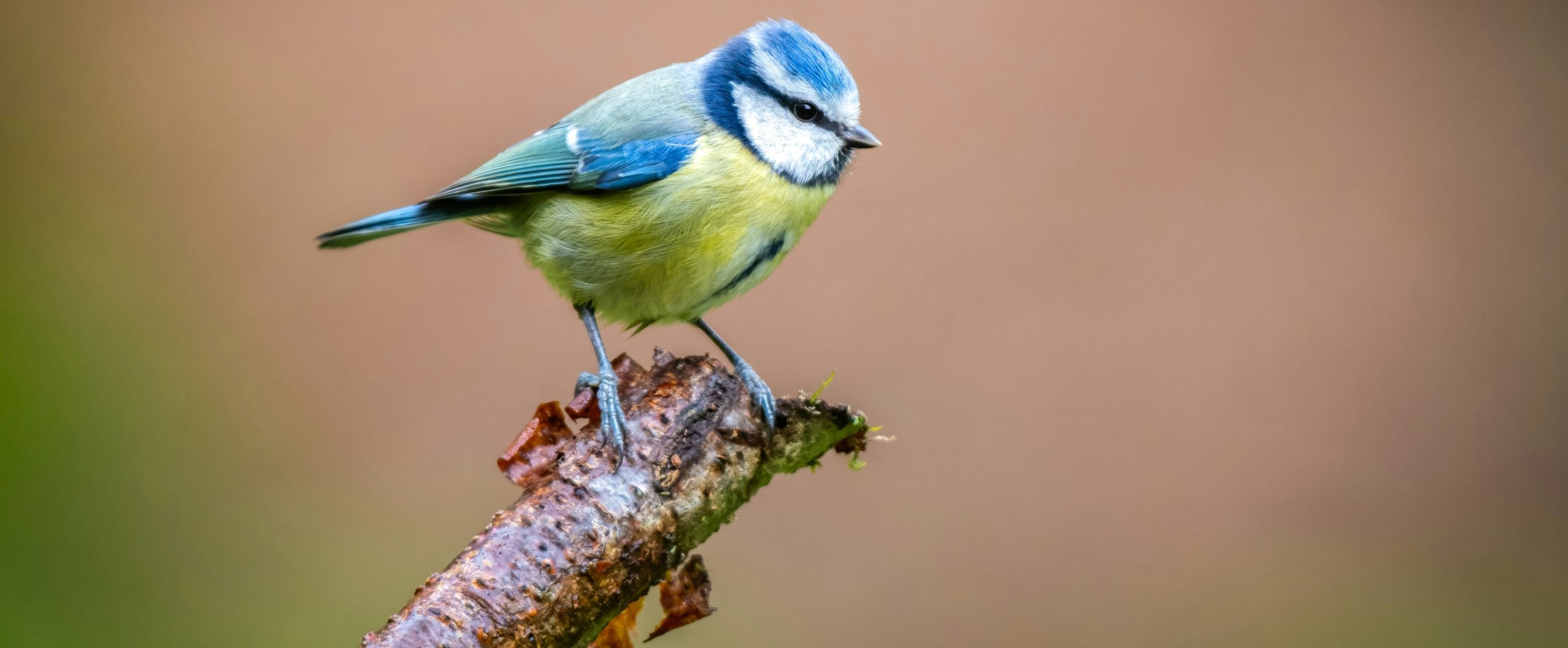
Common Veterinary Drugs Pose Hidden Threat To Garden Birds


The insecticides fipronil, imidacloprid, and permethrin have been banned from arable agricultural use in Europe. However, all three are still commonly used as topical treatments for ectoparasites in companion animals. In the U.K. alone, for instance, an estimated 80% of dogs and 82% of cats are treated against fleas at least once a year.
Research has demonstrated these insecticides’ harmful impacts on birds, ranging from impaired navigation to reduced immune responses, clutch sizes, and body weight. Given their ongoing use in veterinary medicine, it’s thought that birds may be exposed to the chemicals when they collect companion animal fur to line their nests, posing both animal welfare and conservation risks. Thus, this study aimed to:
- Assess the presence of insecticides in the nests of blue tits and great tits; and
- Explore the impact of these chemicals on nestling health by quantifying the number of unhatched eggs and dead chicks.
As U.K. legislation protects nests from being disturbed during breeding season, the study used volunteers to collect nests and record any unhatched eggs or dead chicks between September and October 2020. The researchers then collected 25-milligram samples of fur from each nest and analyzed them using liquid chromatography and mass spectrometry. This allowed them to identify each chemical within a sample along with its concentration. The researchers chose to screen for 20 different insecticides, including the nine most widely used as ectoparasitic treatments for companion animals.
Nest Contamination Is Common
Of all 103 nests that were tested, every nest was contaminated with insecticides. There was an average of about six insecticides per nest.
Fipronil, imidacloprid, and permethrin came out on top with the highest percentage of samples above the “Limit of Quantification” (the smallest quantifiable amount of a chemical):
| Insecticide | Blue Tit Nests | Great Tit Nests |
| Fipronil (e.g., FRONTLINE®) | 100% | 100% |
| Imidacloprid (e.g., Advocate™) | 89% | 87% |
| Permethrin (e.g., Vectra® 3D) | 89% | 85% |
Nest Contamination Linked To Chick Deaths
Overall, for both species, where more types of insecticides or higher concentrations of insecticides were found, nests had higher numbers of unhatched eggs and/or dead offspring. Great tits in particular were affected. Their nests had more unhatched eggs with higher permethrin concentrations and more dead offspring with higher fipronil and imidacloprid concentrations. The authors suggest that this is due to differences in the species’ nest-building behaviors, as great tits are more likely to use fur than blue tits, who tend to use more bark and feathers.
The most likely form of exposure is direct skin contact with the insecticide-treated fur lining the nests, though ingestion through preening and nest building is also possible.
The authors note that there was a separation of six to seven months between when the nests were being built and when they were collected by the study’s volunteers, allowing time for the concentration of insecticides to decline. Therefore, the data likely underestimate the levels that eggs, chicks, and adults were exposed to during the breeding season.
Finally, it’s essential to clarify that the observed correlations between insecticides and offspring mortality don’t reflect causality. Without further research, it’s plausible that other environmental factors may be involved. Additional studies are needed to continue exploring the potential adverse effects on birds of exposure to antiparasitic drugs to establish causation beyond doubt.
Still, this research highlights a vital welfare concern for blue tits and great tits in the U.K., and draws attention to the widespread use of insecticides in veterinary medicine. Comprehensive risk assessments are needed that consider factors such as water solubility, biodegradability, environmental persistence, and toxicity to non-target species, as well as dermal toxicity. In the meantime, companion animal guardians can discuss the timing and use of these products with their veterinarians. Animal advocates can also warn the public about the potential harms of “nest helpers” — the common practice of leaving out companion animal fur for birds during breeding season.
https://doi.org/10.1016/j.scitotenv.2025.178439

Citations:
de Montaigu, C. T., Glauser, G., Guinchard, S., & Goulson, D. (2025). High prevalence of veterinary drugs in bird’s nests. Science of The Total Environment, 964, 178439. https://doi.org/10.1016/j.scitotenv.2025.178439
