Why Watching Animals Matters More Than Testing Them


When scientists study animals, the way they start their research really matters. According to taxonomist Roy Crowson, there are two main styles. One way, called “natural history,” involves watching animals, describing what they do, and looking for patterns. The other way, called “natural philosophy,” is to start with big ideas — like asking “What is aggression?” or “What is dominance?” — and then test those concepts, often with animal-based experiments.
This article argues that whether we realize it or not, the approach that’s picked can shape science in major ways.
The author gives a good example from human psychology. Early researchers believed intelligence was something you could measure with a single test. So instead of watching children and noticing their different talents, they created intelligence tests and judged everyone by a number. Over time, it became clear that intelligence is much more complex. But once the idea of intelligence tests caught on, it stuck, even though it was based on a narrow view of human mental abilities.
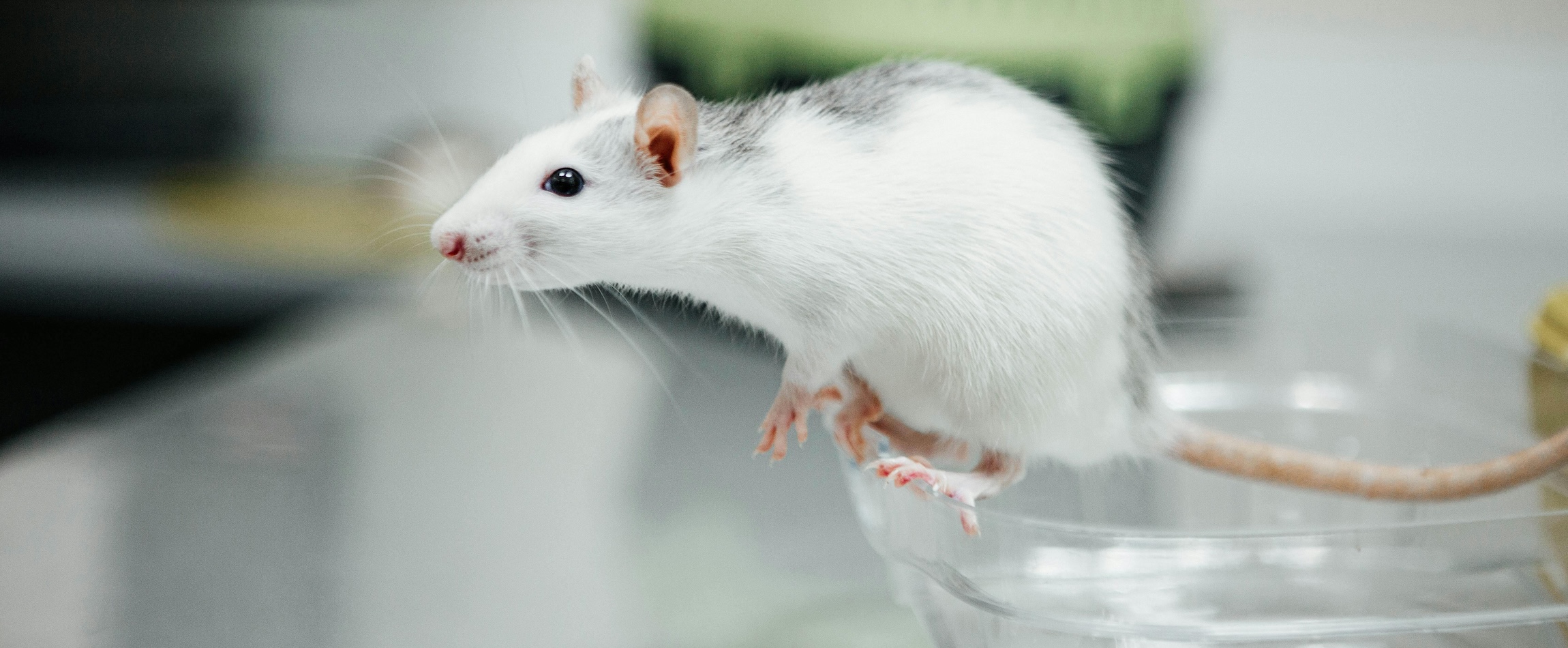
When it comes to animals, the same kind of mistake can happen. In Europe, scientists like Konrad Lorenz used the natural history approach: they watched animals like geese, described their behavior carefully, and then built ideas from what they saw. Meanwhile, in the U.S., psychologists like Burrhus Frederic Skinner used lab rats to study behavior. They started with big ideas about how behavior works across all animals and ran experiments to test those ideas. Instead of watching rats in nature, they put them in boxes and measured how often they pressed levers for food.
The author points out that the “natural philosophy” way often ignores what animals normally do. For instance, early experiments measured rats’ “aggression” based on how often they stood upright after getting an electric shock. But later, researchers found that this posture was more about defense, not aggression. If the scientists had spent more time simply watching rats interact in natural ways, they would’ve seen this earlier.
The same problem arises when we use animals as models for human conditions like anxiety, depression, or addiction. There are thousands of studies where rodents are exposed to strange and stressful conditions — like bright lights, electric shocks, and isolation — and their reactions are used to model human mental health issues. But according to the author, many of these models were built without really understanding the animals’ natural behavior first. This matters because it can lead to bad assumptions. A rat’s fear of a bright open space might not be the same as a human’s anxiety. A mouse’s slowness to explore after being shocked might not tell us anything clear about depression in people. And when studies are built on shaky ideas, the results often fail to help humans — something researchers are now admitting happens a lot.
In the author’s view, if we want research that really helps animals — or humans — then we need to go back to basics. Watch first. Describe carefully. Understand an animal’s natural behavior before creating tests or models. The author suggests asking three questions before moving ahead:
- Are we really measuring what we think we’re measuring?
- Are the ideas we’re using the best fit for the species and situation?
- Are we sure we can apply what we find across different species?
For animal advocates, the article’s central argument raises big questions. It’s not just about improving the way we measure or observe — it makes us ask if we should be using animals as models for human problems at all. According to the author, animal models often try to force complex human conditions like anxiety or depression into simple, artificial tests in other species. But if the tests don’t match the animals’ natural behavior, or if the models don’t really reflect human experiences, then the whole system may be flawed.
Instead of trying to fit animals into human ideas, this article reminds us that we need to start by respecting them as they are. If we want to help animals, we should focus on their real behavior and needs. And if we want to help humans, we might need new ways of research that aren’t so reliant on models that don’t truly fit.
In short, the way we study animals shapes what we learn — not just about them, but about ourselves, too.
https://doi.org/10.1016/j.applanim.2025.106550

Citations:
Fraser, D. (2025). Two paradigms of research and their influence on the study of animal behaviour. Applied Animal Behaviour Science, 284, 106550. https://doi.org/10.1016/j.applanim.2025.106550