When Organizations Shift From Animal Care To Animal Advocacy


Many charities and non-governmental organizations (NGOs), including those that help animals, are moving away from hands-on work and focusing more on changing policies and laws. While direct care helps individual animals, advocacy work can protect millions by creating lasting reforms, securing better funding, and achieving a global versus local impact.
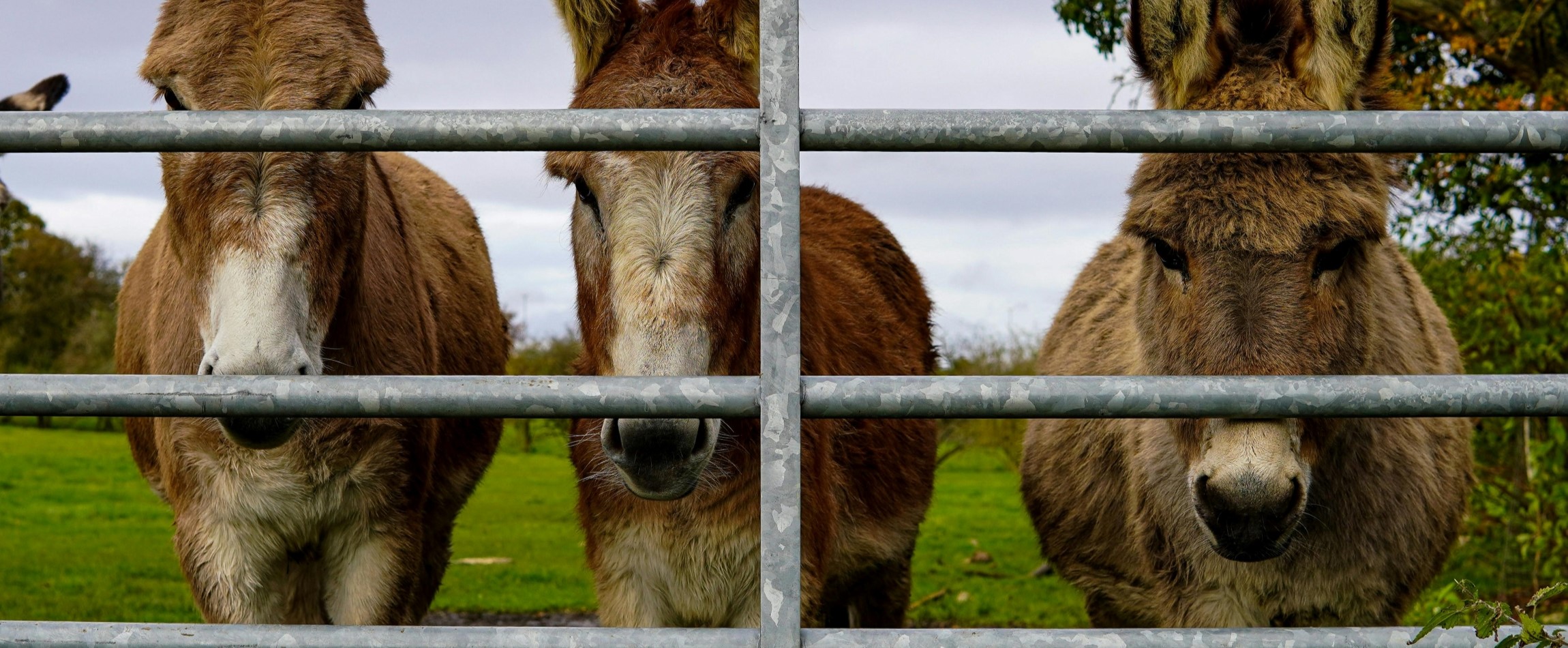
As organizations change, their identity and core strengths shift. This evolution can affect their original mission, creating tension among staff — especially those committed to hands-on animal care. For example, organizations dedicated to working equids (horses, mules, and donkeys) might move from providing direct veterinary care to focusing on caregiver education and policy work.
To better understand these complexities, researchers interviewed 32 employees from eight animal welfare organizations with working equid programs across 13 countries. At the time of the study, these NGOs were at varying stages in their transition from direct implementation to broader approaches emphasizing livelihoods, advocacy, or both. Interviewees, who occupied positions at various levels within the organizations, were asked about their experiences with:
- How equid welfare programs were designed and carried out;
- What made these programs succeed or fail; and
- How their organization’s work and mission had changed or was planning to change.
Analysis of the interview transcripts revealed a number of insights that could be grouped into two main themes and four sub-themes.
Risks Of Direct Implementation Approaches
Traditional working equid welfare programs offer services such as free veterinary clinics, feed, and hoof care. Participants described how this approach provides immediate relief to animals and a sense of fulfillment for NGO staff, but also discussed how it can risk dependency and undermine local providers such as veterinarians. These interventions often address symptoms of issues rather than causes and discourage preventive care. Thus, participants recognized the need to shift toward sustainable approaches that strengthen local infrastructure, though they acknowledged that some direct welfare support may still be necessary.
The Development Of More Diverse Programming
Participants described how their organizations are evolving from direct interventions to holistic approaches that engage diverse stakeholders. This reflects a broader understanding of animal welfare’s interconnections to human and environmental well-being and requires new funding models.
- More community-focused programming: Equid welfare programs are now prioritizing community-led solutions and caregiver initiatives like livelihood diversification. However, participants noted that traditional individual donors may resist funding these indirect approaches to animal welfare improvement.
- Increased partnership working and accountability: Equid welfare NGOs are beginning to partner with human development organizations to address broader sustainability goals. While this allows them to gain new funding and reach, participants highlighted how they also face new tensions between demands for measurable outcomes from institutional donors and the slow pace of community change.
- Impacts on staff of programming changes: Participants discussed how the shift from direct veterinary care to livelihood approaches has divided staff, with some leaving and others adapting. Frequent leadership changes have created confusion and inefficiencies, especially for overseas field teams managing shifting priorities from head office.
- Changes to organizational structure and programming autonomy: International equid welfare NGOs directly employed people local to the target country, had partnerships with existing organizations in the target country, or some combination of the two. In moving away from U.K.-centric control, participants described how tensions remain between headquarters’ direction and local autonomy. They emphasized that the best outcomes are achieved when local partners maintain decision-making power while sharing organizational values.
This study’s limitations include potential survivor bias, as participants were those who remained after the organizational transitions. The sample was also skewed toward international NGOs rather than smaller national NGOs. Future research would benefit from including a broader range of countries, languages, and roles. However, despite these limitations, the findings on NGO programming transitions may have relevance beyond the animal welfare sector.
Overall, the researchers found that a hybrid model that balances direct implementation through autonomous local partners with high-level advocacy seems optimal for equid welfare NGOs. While shifting from direct services risks staff turnover and donor loss, maintaining traditional approaches threatens sustainability and community ownership. Success will require organizations to align programming decisions with their mission while adapting to change.
https://doi.org/10.1017/awf.2024.11

Citations:
Haddy, E., Proops, L., Burden, F., Raw, Z., Kaminski, J., & Brown, J. (2024). “We forgot about the donkeys!” An institutional analysis of the shift in animal welfare from direct implementation towards advocacy based programming. Animal Welfare, 33, e9. https://doi.org/10.1017/awf.2024.11