The Scale Of The Global Trade In Live Farmed Animals


Global demand for meat, milk, and eggs continues to rise — and with it, the number of animals being transported across borders. While many people are aware of animal product imports and exports, far fewer understand the scale and complexity of the live animal trade. This study offers one of the most detailed analyses to date, looking at the international movement of 12 farmed animal species between 2005 and 2021.
The findings are eye-opening: more than 1.5 billion live farmed animals are traded each year, and the trade is growing. This trend raises major concerns for animal welfare, disease risk, and environmental sustainability, all of which have direct relevance for advocates.
Study Design
Researchers analyzed global data from FAOSTAT, the statistics database of the Food and Agriculture Organization of the United Nations. They focused on 12 farmed animal species, including chickens, ducks, geese, turkeys, pigs, cows, sheep, goats, camels, buffaloes, horses, and rabbits/hares. They examined reported import and export volumes between countries over a 17-year period from 2005 to 2021 and identified trends by species, continent, and country.
The study also measured how often countries were involved in bidirectional trade (both importing and exporting the same species) and how much of the trade was intercontinental rather than within the same region.
Key Findings
The researchers found some notable trends:
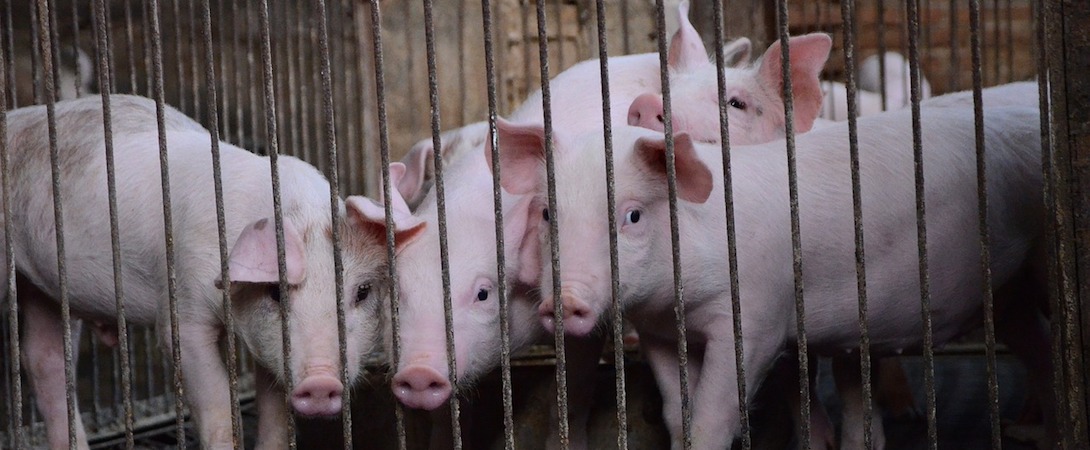
- Chickens were the most traded species, with an average of over 1.3 billion birds moved across borders annually, followed by turkeys (over 68 million), pigs (over 35 million), and ducks (over 24 million).
- Buffalo trade grew fastest, with an annual increase of more than 26%, followed by geese (16%), chickens (7%), and ducks (6.5%).
- Europe was the biggest player overall, both importing and exporting large numbers of cows, chickens, ducks, pigs, and rabbits. Countries like Germany, the Netherlands, and Poland were major traders for multiple species.
- Asia dominated buffalo, goat, sheep, and camel imports, often due to rising domestic demand.
- Intercontinental trade is widespread. In 2021, eight of the 12 species had 10% or more of their trade occurring between continents. Cows and horses showed the highest levels of intercontinental movement.
- Bidirectional trade is common. For example, Italy and the Netherlands were both bidirectional traders for 11 species in 2021.
Animal Welfare, Health, And Environmental Risks
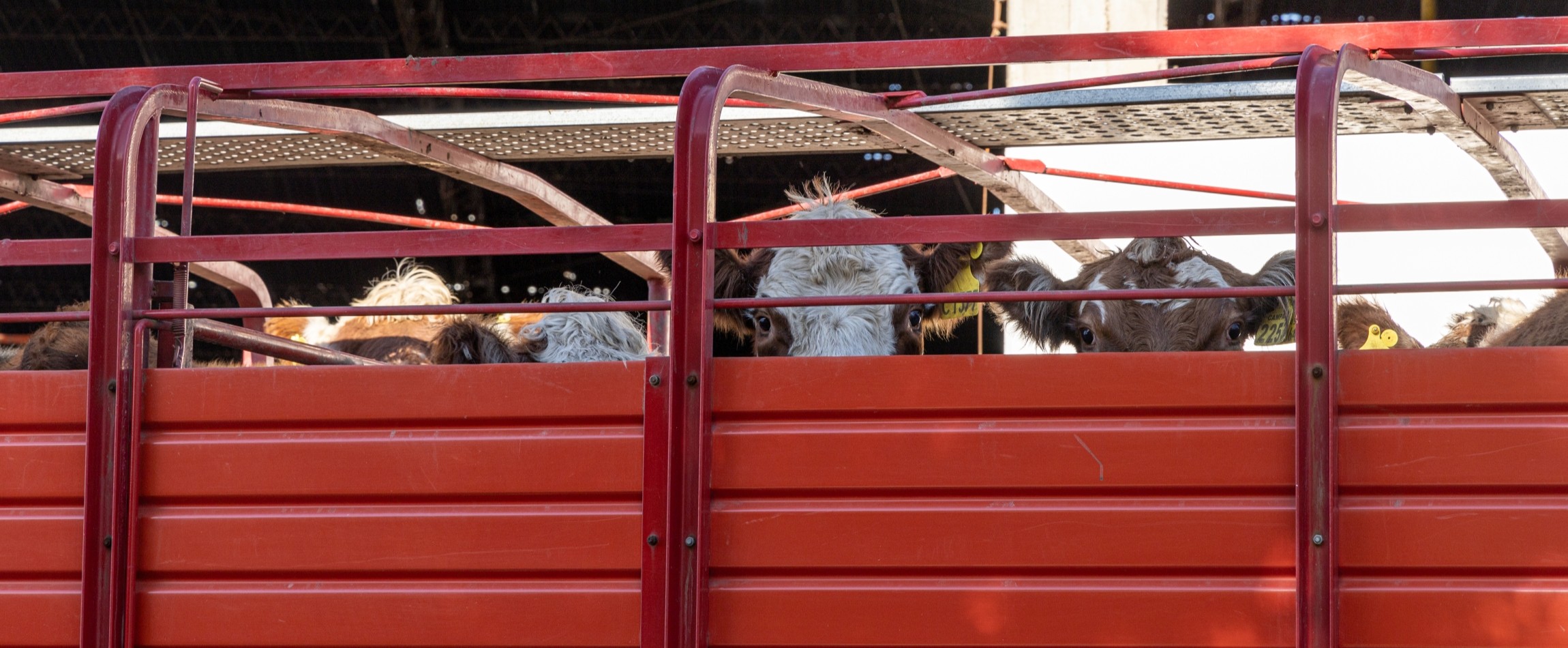
Transporting live animals — especially over long distances — poses serious threats to animal welfare. The study highlights significant welfare concerns for traded animals, including disease, lameness, temperature stress, suffocation, and mishandling during transport.
These stressors also raise the risk of disease spread. The 2025 foot-and-mouth disease outbreak in water buffaloes in Germany highlights the danger of disease transmission through live trade. Likewise, underreported diseases like Q fever can cross borders unnoticed when animals are moved internationally.
Environmental concerns are also significant. Animal farming is a major contributor to greenhouse gas emissions — and when animals are shipped long distances by sea, freight-related emissions add to the climate burden.
Limitations
The study relied on FAOSTAT data compiled from various national and international sources, which included gaps and discrepancies between export and import records. Many countries report trade in weight (tonnes) rather than number of animals, and the researchers excluded rather than converted those figures, as the weight of traded animals can vary widely. This means that the study’s findings are likely underestimated. Also, horses may have been traded for recreational use, not food, but were included in the dataset regardless.
Implications For Advocates
This research shows that the live animal trade isn’t a niche issue: it’s a massive, growing global system involving billions of individuals. Advocates concerned with animal suffering, pandemic risk, and climate change have new data to support calls for reform.
Campaigns targeting live export bans, better welfare standards, and regional food system resilience can all benefit from this study. The findings also help build the case for stronger regulations under the World Trade Organization’s Sanitary and Phytosanitary Agreement and Article XXb of the General Agreement on Tariffs and Trade, both of which allow countries to restrict trade for health and safety reasons if there’s solid evidence.
Ultimately, reducing reliance on long-distance live transport and promoting plant-based food systems are essential steps toward a more ethical, sustainable future.
https://doi.org/10.1002/jsf2.70002

Citations:
Warne, R. K., Cleaveland, S., & Chaber, A. L. (2025). From barnyard to boarding pass: Exploring livestock’s world tour. JSFA Reports, 5(4), 149–186. https://doi.org/10.1002/jsf2.70002