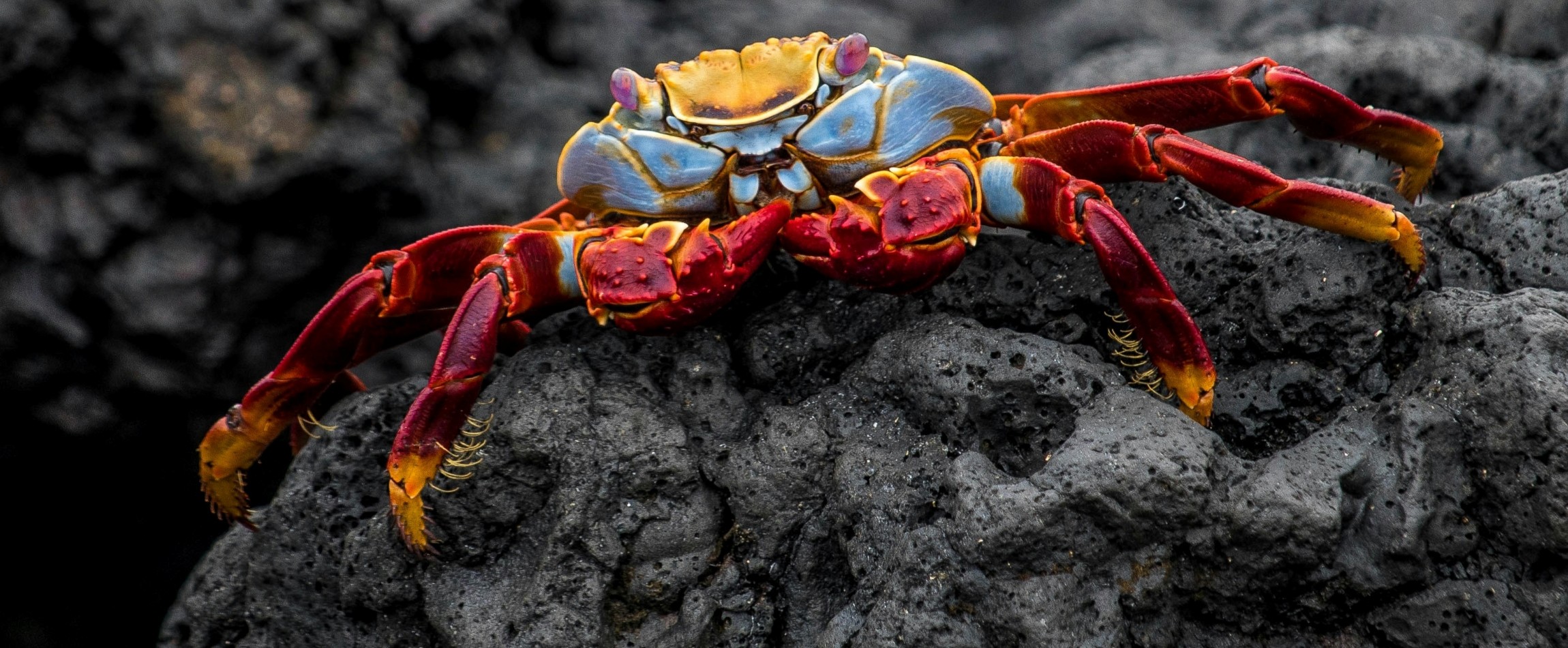
Seafood Animals Are Probably Sentient — Now What?


Worldwide, there’s growing scientific and legal acceptance that cephalopod molluscs (like octopuses and squids) and decapod crustaceans (like lobsters, crabs, and shrimps) are sentient. That is, they have the capacity for subjective feelings such as fear, pleasure, pain, hunger, stress, and suffering. However, most of the seafood industry operates in ways that fail to take this into account.
The authors of this article reviewed typical seafood industry practices in light of recent scientific evidence of sentience in these animals. This includes fishing, farming, transportation, live storage, and slaughter. Unfortunately, it’s very likely that many current practices inflict pain, stress, and suffering on cephalopods and crustaceans. Some fixes are known and can be implemented right away. But other improvements await additional research and development.
Current commercial harvesting practices result in physical trauma. During capture, heavy trawl nets, dredges, and traps often cause bodily damage to octopuses and squids. Rough handling and rapid lifting from depth can tear tissues or even detach an octopus’s mantle from their head. Squids often suffer skin ulcers and fin injuries that are painful in their own right, but can also lead to bacterial infection for those who are kept alive for transportation. Others, brought onto ship deck alive, endure suffocation that can sometimes last hours.
Crustaceans face similar harms during capture, and unique ones afterwards. For example, live crabs are often declawed, either by twisting or snapping off their appendages. Another approach is “nicking,” where the tendon between claw halves is cut to paralyze their ability to clamp down. Farmed shrimps often undergo “eyestalk ablation,” which involves removing their eyestalks to stimulate egg production. Both crabs and shrimps exhibit behaviors that suggest they experience pain from such procedures, both immediate and long-lasting. Needless to say, a sentient animal who experienced such procedures would be considered to suffer.
Unfortunately, the suffering caused by current seafood industry practices isn’t limited to physical harm. These animals also face intense social and psychological stressors. Both octopuses and lobsters, for example, are naturally solitary. In fishing traps and on farms, being forced into close quarters with others of their kind can create intense stress, aggression, and sometimes even cannibalism. Farming practices also often induce harm through failure to provide settings for animals to exhibit natural behaviors, and lack of cognitive stimulation for these intelligent animals.
Slaughter practices for cephalopods and decapods are largely unregulated and inhumane. Most animals are killed by methods that don’t quickly cause unconsciousness, such as asphyxiation, chilling, dismemberment, or boiling. Although electrical stunning has shown promise for causing less suffering in some crustaceans, it’s rarely implemented in commercial settings. And no validated humane slaughter method exists yet for octopuses and squids. As a result, many animals endure prolonged suffering and distress until the point of their death.
The authors suggest practical steps that the industry and regulators can implement immediately to reduce the most severe welfare harms. These changes don’t require new technologies or extensive research, but simply require enforcing known best practices and eliminating the most clearly harmful procedures. Immediately, the seafood industry should:
- Prohibit declawing and nicking in crabs;
- Prohibit eyestalk ablation in farmed shrimps;
- Prevent commercial-scale octopus farming entirely, at least until their welfare needs can be better understood and reliably met; and
- Require species-appropriate transport and storage conditions, including temperature, salinity (salt content), and oxygen standards.
In addition to immediate reforms, the review highlights key areas where further research and development are still needed. Increasing knowledge can support the creation of better, more specific welfare standards and more humane practices. Research and development priorities include:
- Develop and validate humane stunning and slaughter methods for cephalopods and decapods that minimize suffering;
- Identify reliable, species-specific indicators of pain, stress, and welfare that can be used to better determine when and why an animal may be suffering;
- Establish optimal environmental conditions for transportation, storage, and farming to reduce suffering; and
- Design enrichment strategies and appropriate housing systems for farming to reduce social and psychological distress.
A final note of caution as well: As these authors point out, conducting research into any of these issues carries its own welfare risks and costs for the animals. As such, care must be taken to avoid inflicting the very suffering that the research is intended to prevent.
https://doi.org/10.1017/awf.2025.25

Citations:
Browning, H., Burn, C., Schnell, A. K., Crump, A., & Birch, J. (2025). Animal welfare risks from commercial practices involving cephalopod molluscs and decapod crustaceans. Animal Welfare, 34, e24. https://doi.org/10.1017/awf.2025.25