
Four Key Ways To Help Farmed Animals In Nigeria


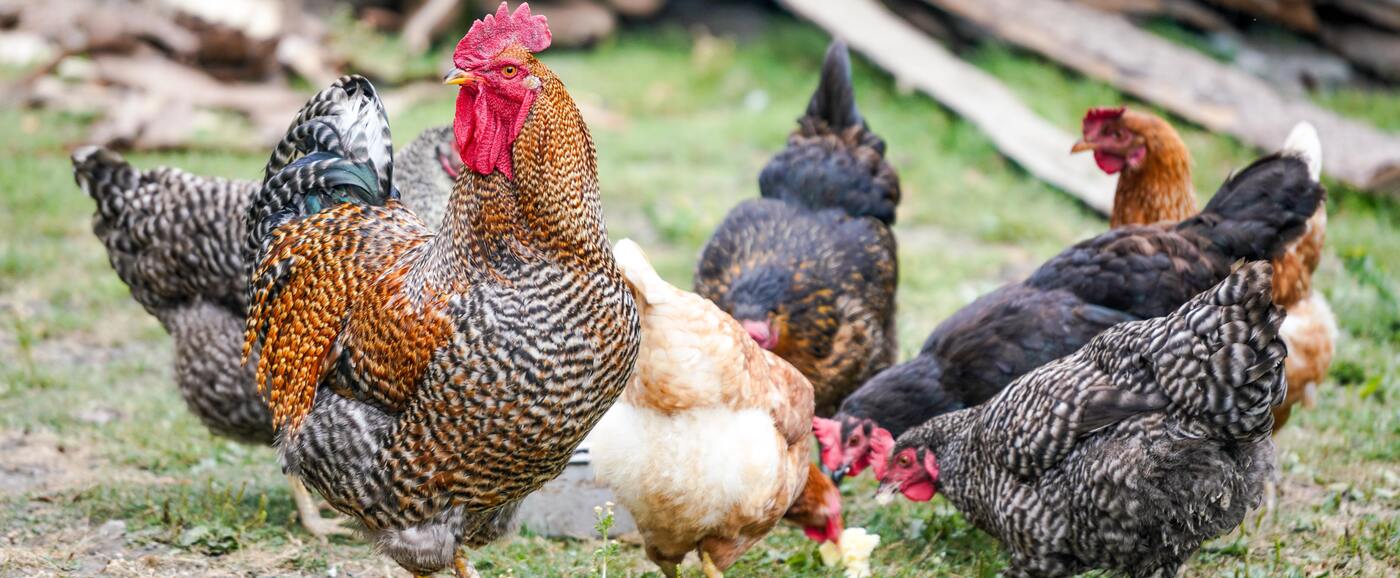
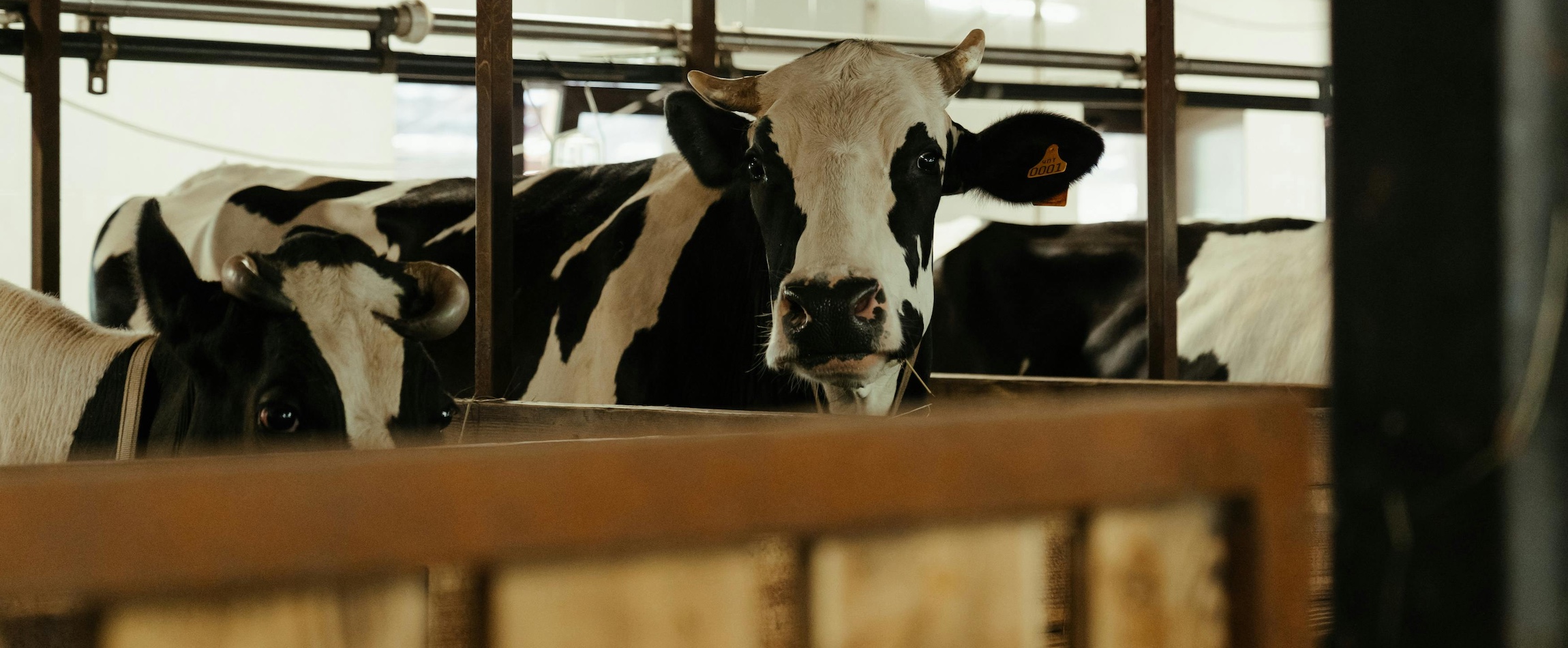
As Nigeria’s population and economy grow, so will its demand for animal products, leading to a rapid increase in industrial animal agriculture. By 2050, the country is expected to be home to the largest number of farmed animals in Africa. A report from the non-profit organization Animal Advocacy Africa provides a roadmap for advocates to effectively address this challenge and reduce animal suffering. The report acknowledges that public awareness of animal welfare is currently very low in Nigeria, with many people believing that intensive systems like battery cages are good for animals.
To identify the most promising strategies, researchers at Animal Advocacy Africa conducted extensive desk research and interviewed Nigerian experts, including advocates, entrepreneurs, lawyers, researchers, and veterinarians. They began with a list of 92 potential interventions and used a rigorous prioritization and scoring process to narrow the list down to four top recommendations.
Recommendation #1: Public Radio Campaigns
The report’s top recommendation is for advocates to run public radio campaigns. Radio is a trusted and cost-effective medium in Nigeria that can reach a large audience, including those in rural communities and those who aren’t literate. These campaigns could address the widespread lack of awareness about animal welfare issues like the suffering of hens in battery cages.
The report suggests that campaigns should focus on topics that resonate with the public, such as the public health risks associated with intensive farming (e.g., zoonotic diseases). Campaigns could target both consumers and farmers. For example, a radio program could direct farmers to resources for transitioning to cage-free systems while also encouraging consumers to purchase products from those higher-welfare farms.
While implementing this idea seems straightforward, the report emphasizes that advocates should carefully test and track its impact before scaling up.
Recommendation #2: Regulating Stocking Densities
The second recommendation is to advocate for government regulations that set maximum stocking densities for farmed animals. High stocking density is a key feature of industrial animal farming, and limiting it could prevent the worst forms of intensive agriculture while supporting smaller-scale, more extensive farmers. The potential impact of this intervention is massive, as it could affect the hundreds of millions of farmed fishes and chickens in Nigeria who suffer in crowded conditions.
However, the report notes that this strategy faces significant hurdles. Animal welfare isn’t currently a priority for the Nigerian government, and any new laws may be difficult to enforce. Advocates would need to build a broad coalition and frame their arguments around public health or support for smallholder farmers to succeed.
Given the challenges, the report advises advocates to first test crucial assumptions in a pilot project before committing to a large-scale campaign.
Recommendation #3: Introducing An Animal Welfare Act
A third promising intervention is advocating for foundational, independent animal welfare legislation. Nigeria’s current animal protection laws are weak, rating a “G” (the lowest possible score) from World Animal Protection. Existing laws, such as the Criminal Code, largely treat animals as property and exclude animals slaughtered for food from anti-cruelty provisions.
An animal welfare act could establish a legal basis for animal sentience and create a framework for future, more specific policies. The report suggests that this idea may be more tractable and have a broader positive reach than simply regulating stocking densities, though its direct impact on farmed animals may be lower. It also notes that there’s already some momentum for this in Nigeria, which advocates could build upon.
Recommendation #4: Direct Outreach To Intensive Producers
Finally, the report recommends engaging directly with large-scale, intensive animal producers to implement welfare improvements. This approach targets the farms where the largest number of animals are kept in the worst conditions, making it a scalable way to have a direct impact. The focus should be on the fish and poultry industries, as they’re the largest and most rapidly intensifying sectors in Nigeria.
To gain producers’ support, advocates should frame welfare enhancements as being beneficial for business — for example, by leading to health and productivity gains or improved product quality. The report also suggests that offering tangible support, such as financial incentives or subsidized equipment for transitioning to higher-welfare systems, could increase the likelihood of success.
Advocates should test producers’ willingness to change their practices early in the process and use those findings to guide their next steps.
Farmed animal advocacy in Nigeria — and Africa more broadly — faces many challenges and receives far less financial support than other animal causes. Yet, there’s an opportunity to prevent industrial animal agriculture from becoming fully entrenched in the country. Animal Advocacy Africa emphasizes that these four recommendations represent the most promising and tractable starting points for this important work. They conclude that these strategies can help build a strong, effective, and locally led movement to reduce the suffering of millions of farmed animals as Nigeria’s animal agriculture sector continues to grow.
This summary was drafted by a large language model (LLM) and closely edited by our Research Library Manager for clarity and accuracy. As per our AI policy, Faunalytics only uses LLMs to summarize very long reports (50+ pages) that are not appropriate to assign to volunteers, as well as studies that contain graphic descriptions of animal cruelty or animal industries. We remain committed to bringing you reliable data, which is why any AI-generated work will always be reviewed by a human.