Exploring China’s Vegan Movement: A Survey Of The China Vegan Summit & V-March Participants


The rising demand globally for meat and animal products, combined with disproportionately low funding to address it in Asia, has raised serious concerns about animal welfare, health, and environmental sustainability of large-scale food systems going into the next several decades. There’s a clear need for alternative dietary practices, and China is already responding.
China’s vegan and vegetarian food market (primarily meat, egg, and dairy alternatives) grew from roughly $10 billion in 2018 to about $12 billion in 2023. Plant-based meat alternatives have been a major driver of that growth, with the plant-based meat market valued at around $834 million in 2018 and expected to grow 20 to 25% annually.
About 4 to 5% of China’s population identifies as vegetarian or vegan, roughly 56 to 70 million people. Millennials and Gen Z are leading the charge: about 50% of millennials surveyed in a Bloomberg Businessweek and Starfield report said they eat plant-based meat for health reasons.
Government And Institutional Support
In February 2025, Good Food Institute Asia Pacific (GFI APAC) identified the Beijing launch of China’s first alternative-protein innovation facility as one of five reasons to be hopeful about Asia Pacific’s future-foods sector. China has established protein diversification as a cornerstone of its national food strategy, delivering policy announcements and direct calls to action from leading food scientists. Wei Chen, president of Jiangnan University, one of the world’s top food science programs, put it this way: China and Singapore may differ in almost every way, but they share a common mission when it comes to food, making more with less.
China’s Ministry of Agriculture and Rural Affairs (MARA) has also issued a statement outlining its intent to “develop new food resources such as plant-based meat.” Among the top 20 cultivated meat patent applicants worldwide, eight are based in China, while only three are from the United States.
Survey Results From The China Vegan Summit
In order to better understand the landscape of veganism in China, we collected responses from 181 participants at the time of the China Vegan Summit. It’s worth noting that, while the sample size is relatively low, these were actual conference attendees, not participants from online survey platforms.
Health, Not Animal Welfare, Drives Many Chinese Vegans
While most English-speaking vegans at the Summit followed their diet for animal welfare reasons, most Chinese-speaking vegans did so for other reasons, with health at the top. Meanwhile, religion stood out as the most prominent reason for adopting a vegetarian diet. And finally, the primary reason Chinese speakers adopted a flexitarian diet was also health. Unlike vegetarianism, the motivations behind veganism and flexitarianism tend to revolve around taking care of one’s body.
The pie chart below shows the percentage of respondents from the total sample. Vegans, vegetarians, and flexitarians make up less than 100% because some respondents selected “Other.”
The Barriers: Convenience, Social Pressure, And Hospitality
Looking beyond the summit survey, the China Vegan Society recently launched V-March, a month-long vegan challenge similar to Veganuary, but that aligns with the lunar calendar, offering a fresh start in spring after holiday indulgence. It acts as a “spring renewal,” allowing participants to reset habits and adopt healthier, plant-based diets. We surveyed participants from that challenge to get a better understanding of the challenges they faced. It’s important to note that these are different than the respondents from the Summit.
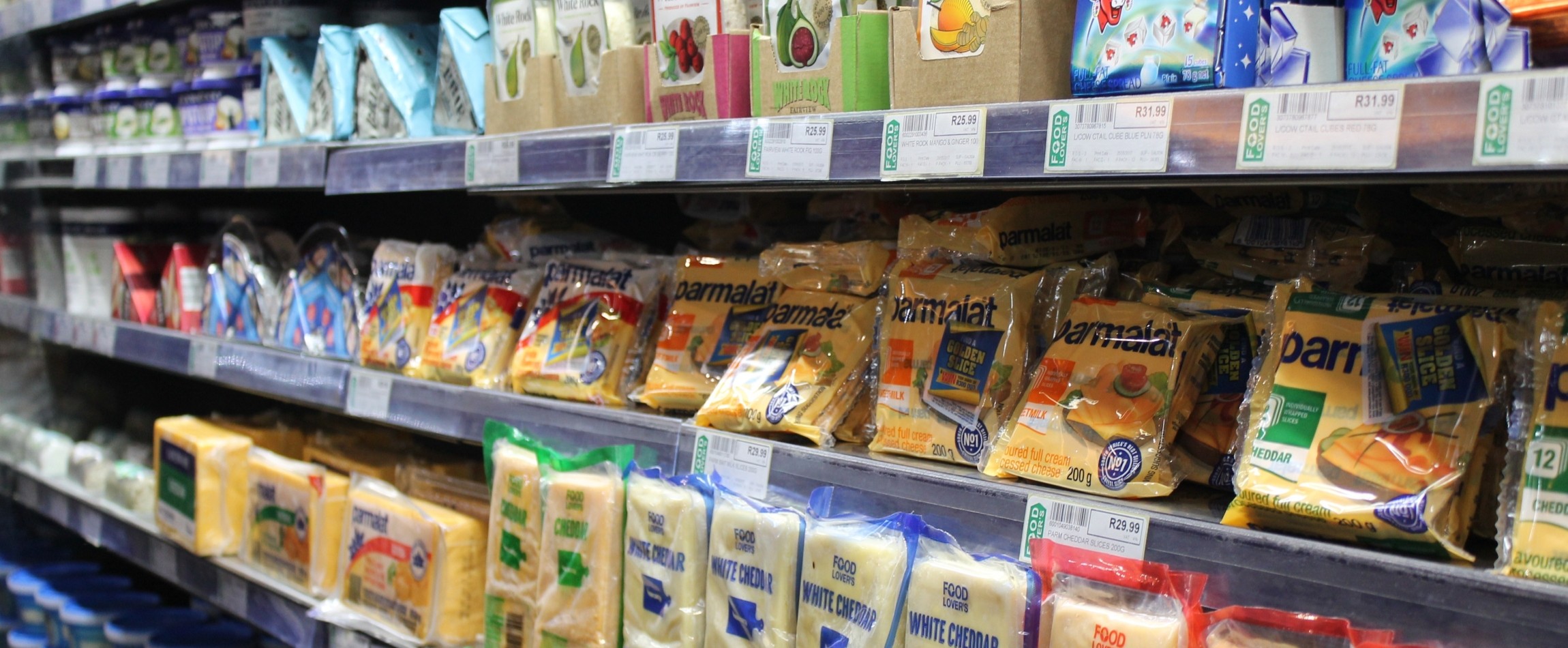
For both men and women, the main challenge was finding vegan products in supermarkets. Not knowing which products are vegan may stop people from even trying veganism, a barrier that better labeling could help solve. Notably, finding vegan products in supermarkets was harder than finding plant-based dishes in restaurants. For women specifically, the social aspect of their diet was another major challenge.
Product Preferences: Forget High Mimicry, Think Tofu
Going back to our survey of Vegan Summit attendees, we asked them questions to begin to understand where they land in terms of product preferences. Unlike consumers in the West, flexitarians, vegetarians, and vegans in China aren’t looking for high-mimicry products (e.g., Impossible Burgers or highly convincing “chicken” wings). Instead, they prefer non-mimetic options like tofu. They’re also not as interested in blended products or insect protein. In fact, flexitarians, vegetarians, and vegans prefer even 100% meat to 50% meat-based blends.
Soybeans have a long tradition as an alternative protein in China, giving them high consumer acceptance in the local market. Meanwhile, cultivated meat production remains highly demanding, requiring significant funding, research, and resources, and consumer acceptance of it is relatively low. When consulting businesses, the movement might be better served by redirecting them toward plant-based and fermentation-based alternatives.
A Closer Look At Flexitarians
Flexitarians are worth paying special attention to. Our survey revealed that:
- They prefer non-mimicking plant-based proteins like beans and tofu over all other products, including low-to-medium- and high-mimicry options. They’re more put off by insects than by meat.
- They chose their diet primarily for health-related reasons, which may explain their preference for unprocessed, low-mimicry alternatives like tofu.
- Their main challenge is finding good plant-based dishes at restaurants, followed by preparing meals and finding products at the supermarket.
- The hardest vegan resources for them to find online were recipes, followed by product reviews, restaurant reviews, and discounts.
- They don’t move to veganism due to convenience-related reasons (highlighting the need for certification), followed by health- and taste-related concerns.
The Vegan Filter: A Solution With Overwhelming Support
One of our most striking findings: an overwhelming majority of flexitarians, vegetarians, and vegans want a vegan filter button in online supermarket shopping. It’s an idea we recently proposed both in writing and in a podcast.
Over 90% of participants expressed a high or extremely high demand for a vegan filter button, further highlighting the urgent need for this solution. It’s not often that we see such overwhelming agreement on a single issue, and this is a relatively easy problem to solve.
Meanwhile, about half of participants indicated a high or extremely high need for vegan certification, while three-quarters indicated a maximal need for a vegan online filter. These findings underscore the urgent need for both solutions.
Key Takeaways For Advocates
China’s vegan movement is growing, fueled by government support, rising health awareness, and a consumer market that’s open to plant-based alternatives. There’s a real convenience barrier in China, as confirmed both by direct questioning and by the high demand for solutions to make things easier. Here’s what advocates should keep in mind:
- Health is the main driver. It’s the number one reason Chinese consumers shift their diets. Frame messaging around health benefits.
- Address the core barriers. Taste, price, and convenience are crucial to success.
- Don’t push high-mimicry products. Consumers in China prefer non-mimetic options like tofu over high-mimicry meat alternatives.
- Lean into strategic opportunities. Health framing, price parity, rebranding soy and tofu as healthy and trendy proteins, and a convenient vegan filter button for online supermarkets could all make a significant difference.