Adrenocortical Activity Measure Of African Elephants Stress


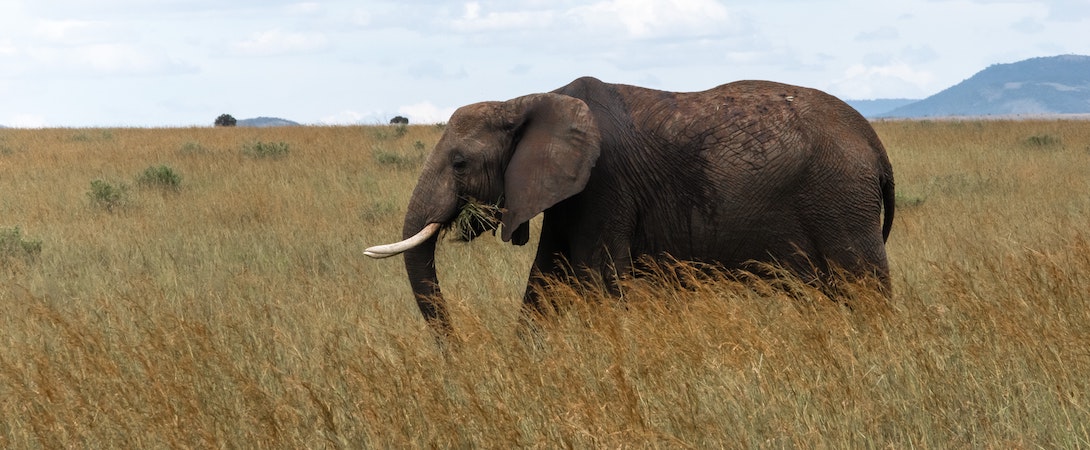
This study of African elephants residing inside and outside of protected areas found significantly lower levels of stress for those elephants residing within parks and reserves. Using fecal samples found within and outside of protected areas, researchers measured higher fecal glucocorticoid metabolites levels in elephants outside of the protected areas, indicative of higher stress. The authors conclude that “the reason for the higher (stress) level in the high-risk areas (is) thought to be a result of long-ongoing hunting activity, which has led the animals to associate humans and vehicles with detrimental effects.”
[Abstract excerpted from the original report.]
“African elephants (Loxodonta africana) play a vital role in most African ecosystems, with their opportunity to alter the entire ecosystem by their sheer numbers. Defining and measuring animal welfare has been much discussed. One potential way of determining an animal’s welfare is to record the absence or presence of stress. Little research on elephant welfare has so far been performed in the Serengeti ecosystem. The aim of this study was to record the faecal glucocorticoid metabolite levels of African elephants in areas with high or with minimum human interference. A total of 117 faecal samples were collected from randomly located single elephants as well as family herds in the northern, central and western Serengeti National Park (SNP) as well as in Grumeti Game Reserve and Ikoma Open Area, northern Tanzania in 2010. Elephants had higher levels of faecal glucocorticoid metabolites in the areas outside, compared with areas inside SNP. No single males were observed outside SNP, and in general, higher abundance of elephants was observed inside SNP. This suggests that elephants may prefer to reside in the potential safer areas inside the national park, demonstrating the importance of protected areas to improve the welfare of elephants.”

Citations:
Tingvold, H. G., Fyumagwa, R., Bech, C., Baardsen, L. F., Rosenlund, H., & Røskaft, E. (2013). Determining adrenocortical activity as a measure of stress in African elephants (Loxodonta africana) in relation to human activities in Serengeti ecosystem. African Journal of Ecology, 51(4), 580-589. doi:10.1111/aje.12069