
Creating A Corporate Commitment System For Wild Animal Tourism


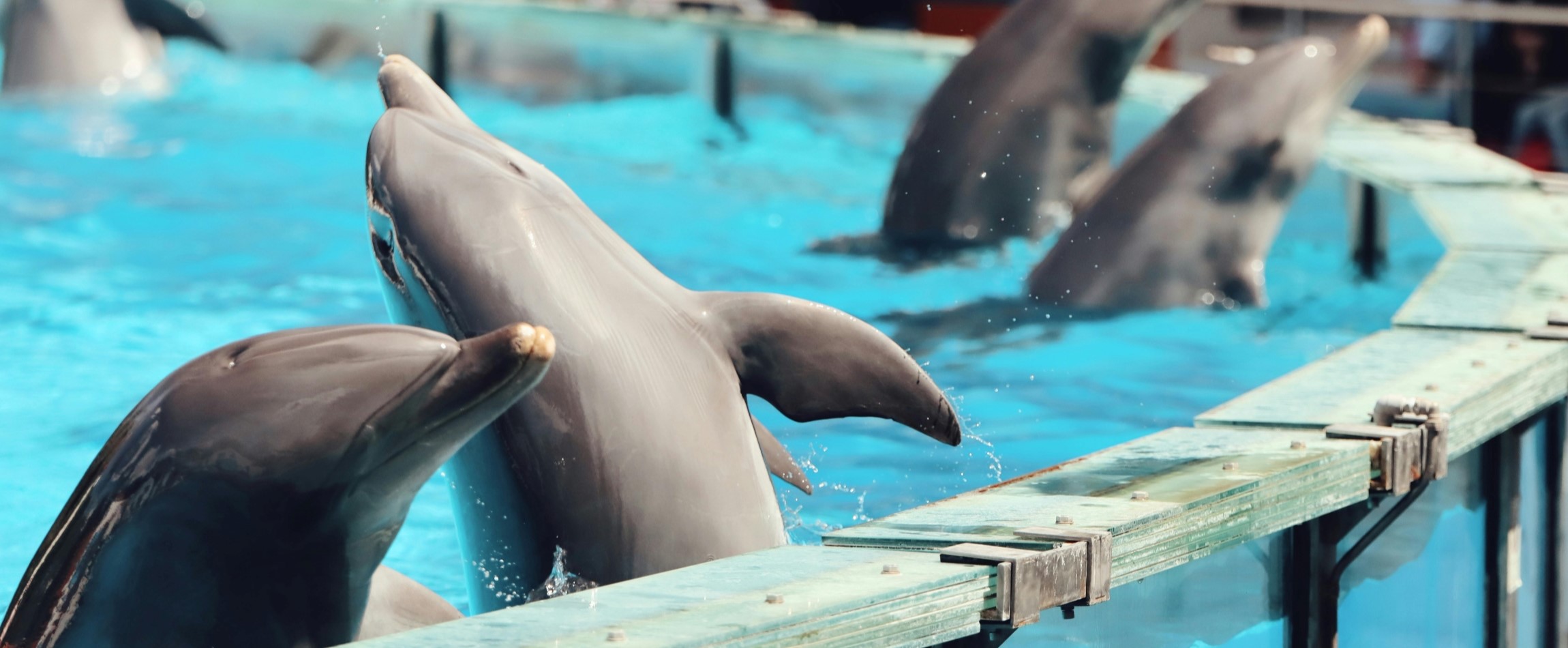
From dolphin shows to elephant rides, wild animals are a central focus of many tourist attractions worldwide. Unfortunately, the welfare of these animals often comes secondary to profit.
Recognizing the opportunity to help establish clearer industry standards, global non-governmental organization World Animal Protection commissioned a team of researchers in the U.K. to design and implement a system that rates and ranks tourism distribution channels on their commitment to animal welfare. It aimed to create shared understandings of the responsibility to animal welfare in tourism and inspire companies to adopt and sustain ethical and transparent practices.
Why Rate And Rank?
Research shows that educating consumers can only go so far, and rating and ranking systems help spur additional action. They’re convenient — reducing the time it takes for consumers, investors, and the companies to collect information. Their sociopolitical nature sets expectations and encourages companies to work towards them. Ratings and rankings can also help companies establish credibility and demonstrate change over time.
The Assessment Process
The rating and ranking system in this study focused on the welfare of non-domestic animals, whether in captivity or in the wild, and was guided by World Animal Protection’s stance on wild animals in tourism: essentially, that “wild animals belong to the wild and that, when in captivity, they must have a good life.”
The researchers ranked 12 large-scale tourism distribution companies, which aid both production and consumption of wild animal tourism, twice in 2020 and 2022. The rating and ranking system consisted of four themes, each with more specific criteria for compliance.
- Policy and commitments: This theme included six indicators measuring whether the company has a wild animal welfare policy and the extent of their commitment to wild animal welfare, for a total of 30 points, weighted at 40% of the final score.
- Targets and performance: This theme included nine indicators measuring how the company sets targets, monitors progress, and communicates performance, for a total of 45 points, weighted at 20% weight of the final score.
- Industry engagement: This theme included five indicators measuring how the company advocates for animal welfare within the tourism industry and integrates their animal welfare policy into relationships with suppliers, for a total of 30 points, weighted at 20% of the final score.
- Customer engagement: This theme included six indicators measuring how the company educates consumers on ethical wild animal tourism and whether consumers can freely comment on practices that harm animals, for a total of 30 points, weighted at 20% of the final score.
In 2020, the researchers relied only on public information to create their ratings and rankings. In 2022, they allowed companies to privately report confidential data on targets and performance and industry engagement.
The researchers communicated openly with the companies throughout the assessment process, explaining the rating criteria and offering several opportunities for companies to improve their scores. After the 2020 assessment, the researchers sent companies their results and published an initial ranking. In 2022, the researchers gave notice before beginning the new evaluation, allowing companies 30 days to update public information and send additional evidence. The researchers later shared preliminary results, inviting companies to make specific improvements before World Animal Protection publicized the final ranking. All companies received a detailed final report, which included how their score was calculated and further recommendations.
How Companies Measured Up
Nine out of the 12 companies had an animal welfare policy, but the definition of what was acceptable varied widely. While some prohibited all attractions involving wild animals, others referenced more lax guidelines created by other organizations or banned attractions involving only certain species.
Encouragingly, most companies were implementing their policies, although the researchers found some listed attractions that conflicted with companies’ stated commitments. Half the companies included their animal welfare policies in contracts with suppliers, with some conducting pre-screenings or audits. Four companies had educational resources on their website to help consumers understand ethics in wild animal tourism attractions.
Ratings + Rankings = Reform?
The average score increased from 29% in 2020 to 36% in 2022, with four companies scoring above 50% in 2022. Positive changes in animal welfare practices, such as more transparency with suppliers and increased visibility of animal welfare-related content, accounted for some of this improvement. Providing additional information also helped some companies boost their scores. The results suggest rating and ranking systems can indeed be a helpful tool to move companies towards ideal animal welfare practices.
As with any rating and ranking system, complete objectivity isn’t usually attainable. The choices the researchers made when designing the system, including relying on a specific definition of wild animals and welfare, certainly influenced the results.
The power of any rating or ranking system may also be limited. The researchers note that such evaluations may prompt only shallow or performative action — the changes taken by some companies in this study are an encouraging start, but they don’t promise profound systemic reform. Yet they acknowledge that as the standards for wild animal welfare become more established, stakeholders should hold companies accountable for impact over intent. And, while this study doesn’t suggest the rating and ranking will influence suppliers, their heavy involvement with tourism distribution channels could drive change over time.
The researchers suggest that those wanting to create institutional change, such as animal advocates, could potentially do so by developing a similar ranking or rating system. Amplifying existing ratings or rankings can also help people understand ethical considerations in wild animal tourism, possibly paving the way for them to become more emotionally invested in animal welfare. Advocates can draw inspiration from this system’s criteria to encourage ethical practices, such as urging companies to clearly define their animal welfare policies and incorporate them into contracts with suppliers.
https://doi.org/10.1080/13683500.2024.2424350

Citations:
Bonilla-Priego, M. J., Font, X., & Crabolu, G. (2024). Designing and testing a sustainability soft regulation system: Rating and ranking the wild animal welfare practices of tourism distribution channels. Current Issues in Tourism, 1–17. https://doi.org/10.1080/13683500.2024.2424350
