Crappy Cappuccinos: A Welfare Assessment Of Kopi Luwak Production


Members of the traveling public are becoming increasingly aware of the questionable welfare in commercial settings such as zoos, safari parks, and aquariums. However, there are more niche areas of animal tourism that have yet to be exposed to the public eye, including civet coffee tourism.
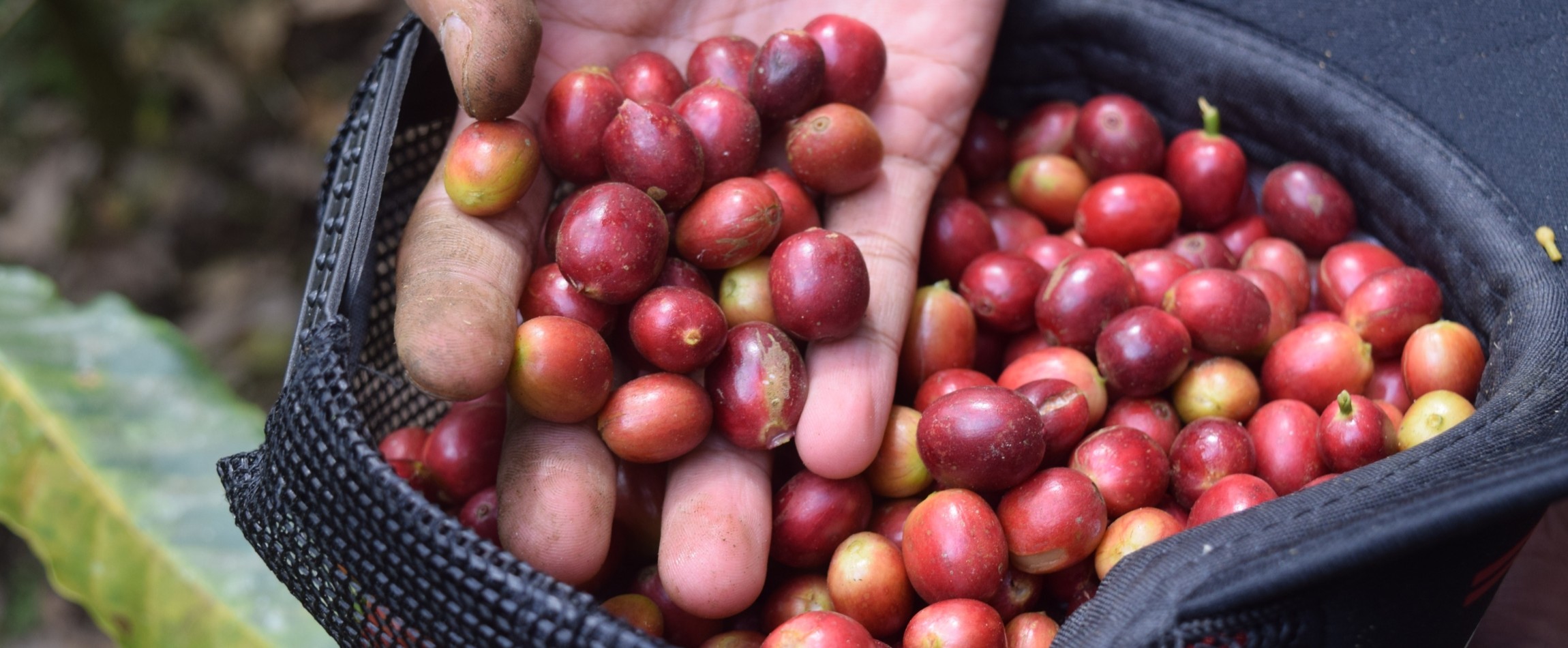
Civet coffee, also known as kopi luwak, is a product that comes from coffee beans that have been digested and excreted by civets before being collected and processed. Heralded as the “world’s most expensive coffee,” it’s become a popular commodity. In addition to sipping civet coffee in shops along retail avenues, tourists can visit plantations to observe the process of civet coffee being roasted in a rural setting surrounded by plant life and other natural assets of the area.
Captive civets are fed a diet consisting mainly — or even solely — of coffee beans, whereas a civet in the wild would have a variety of other food sources. Eating only coffee beans leads to severe malnutrition. Beyond diet, there are other significant welfare issues associated with how these animals are commonly kept for coffee production, which the authors of this study set out to investigate.
The researchers visited 29 plantations in Bali, Indonesia. They observed the civets and gathered data using established husbandry criteria, including:
- Cage size and cleanliness
- Cage flooring, furnishings, and enrichment
- Availability of shelter from the elements
- Noise levels
- Food type, variety, and amount
- Water cleanliness and access
- Choice of social interaction or solitude
These criteria were measured on a scale of zero to four, with four being high welfare. The researchers also recorded the body condition of each civet. This was measured on a scale of one to nine, with one being emaciated, five being moderate, and nine being extremely overweight. These scores were compared to those of wild civets whose photos were taken via camera trap. Finally, four of the Five Freedoms were assessed using binary “observed/not observed” scoring, with the exception of the freedom from pain, injury, and disease, which the researchers were unable to adequately assess visually.
Additionally, the researchers made the same assessments at eight wildlife markets in Bali, Lombok, and eastern Java. They visited each market between three and five times with intervals of nine to 42 days between visits.
Key Findings
A total of 235 civets were documented across both settings, with 99 living on plantations and 136 present at markets.
Civet welfare on the plantations was poor. The average husbandry score was 2.2 out of four. Most civets (77%) experienced only two of the four assessed freedoms, and no individual received all the freedoms. While overall body condition score was 6.05, some civets were found to be extremely overweight. Generally speaking, those kept in larger, cleaner cages and fed a more varied, natural diet were in better body condition.
At the wildlife markets, civets had an average asking price of approximately US$57 and most (83%) were young. Based on the turnover they observed, the researchers calculated that the markets were selling between 400 and 800 civets a year.
Conditions at the markets were even worse. The average husbandry score was just 0.55, and over 90% of civets received none of the assessed freedoms. Overall body condition score was similar to that of wild civets (4.27 versus 5.5), lending support to the authors’ conclusion that civets in these markets are sourced from the wild and spend little time there before being sold. In general, civets with access to water were in better body condition. However, only 15% of individuals were observed to actually have water in their cage.
The Need To Reduce Demand
This study highlights the inhumane nature of civet coffee tourism, based on multiple scales of analysis. Civets in both plantations and wildlife markets are denied basic welfare needs like a balanced diet, adequate housing, enrichment, and even water.
However, it’s important to note that the authors assessed plantations and markets where a smaller number of civets are kept for viewing. Commercial civet coffee farms, where most kopi luwak production takes place, house hundreds of animals, and their welfare could be far worse than observed in public-facing experiences.
There are a few things that we can do, though: educate, advocate, and rally for policy changes. Raising awareness about the suffering behind this “luxury” product, advocating against booking agencies that highlight civet coffee, and pushing for stronger welfare laws are all ways that we can aim to reduce consumer demand for civet coffee and improve the quality of life for civets.
https://doi.org/10.1080/10888705.2023.2270414

Citations:
Lewis-Whelan, B., Ardiansyah, A., Roberts, P. D., Nijman, V., Damianou, E., Morcatty, T. Q., Birot, H., Imron, M. A., & Nekaris, K. A. I. (2024). Welfare and management of civets in civet coffee tourism plantations. Journal of Applied Animal Welfare Science, 27(3), 561–574. https://doi.org/10.1080/10888705.2023.2270414