China’s Captive Cetacean Industry Is Thriving


While many parts of the world are phasing out the practice of keeping whales, dolphins, and porpoises (collectively known as cetaceans) in captivity, the industry in China continues to grow. A report from the China Cetacean Alliance, a coalition of international animal protection and conservation organizations, provides a comprehensive update on the state of the country’s ocean theme parks between 2019 and 2024.
The report documents the number of facilities, the animals they hold, and the welfare conditions they endure. Because there’s no centralized, publicly available database, the China Cetacean Alliance gathered information through media reports, online searches, and visits to the facilities. The findings reveal an industry that puts profit ahead of animal welfare, poses risks to public safety, and operates with a concerning lack of transparency.
An Expanding Industry
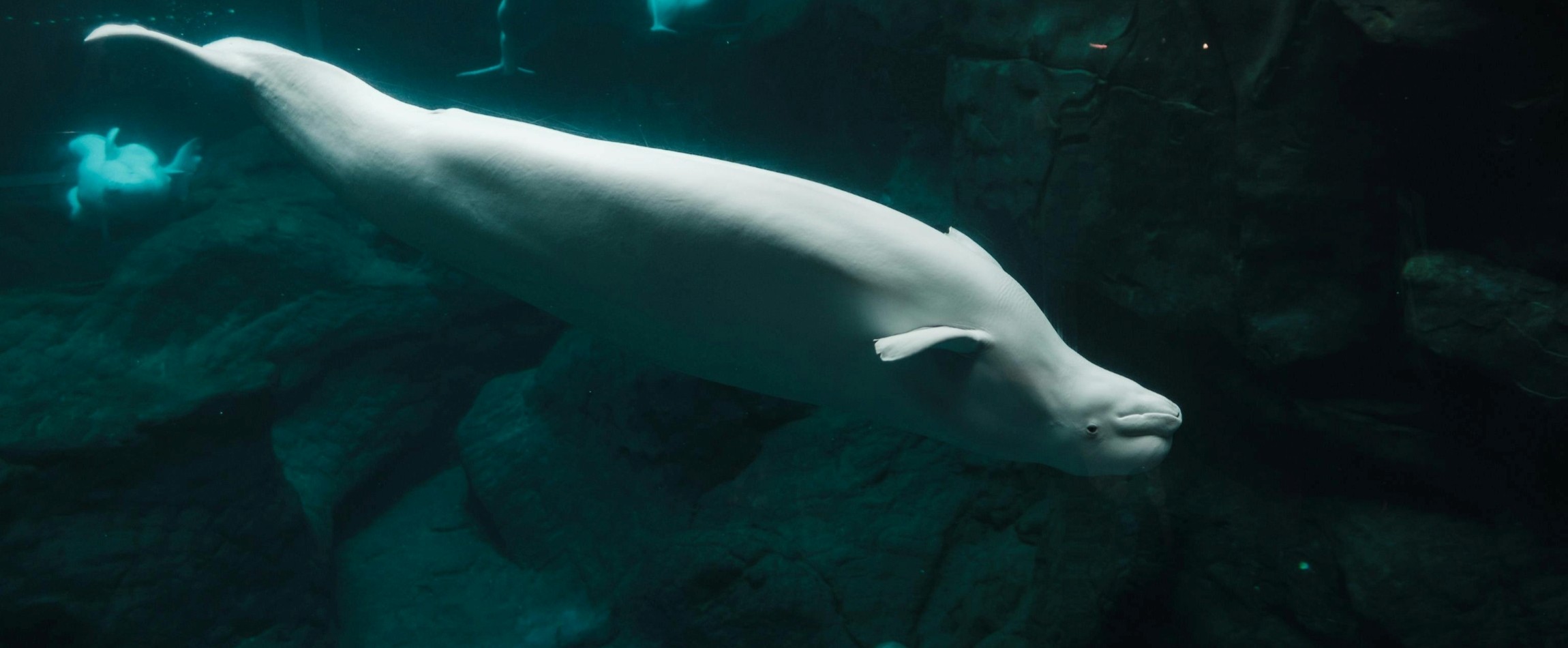
As of July 2024, China had 99 operational ocean theme parks holding cetaceans, with another 11 under construction. This is an increase of five facilities since 2019, though the pace of development has slowed compared to previous years. These parks hold an estimated 1,307 cetaceans, representing 15 different species, with bottlenose dolphins and beluga whales being the most common. The majority of these animals have been captured from the wild, primarily from the waters of Japan and, historically, Russia.
The report raises serious alarms about discrepancies in international trade data. For example, records show 970 bottlenose dolphins were exported to China, but China’s import records only account for 723. Across all species, the data suggests that over 380 animals were imported into China without being officially recorded, a potential violation of the Convention on International Trade in Endangered Species of Wild Fauna and Flora (CITES).
While captive breeding has increased since 2019, it’s not enough to meet the industry’s demand, meaning facilities continue to rely on capturing wild animals. The report also notes the breeding of hybrids, such as a bottlenose dolphin-false killer whale hybrid at a facility in Tianjin, who have no conservation value and are likely used solely for commercial entertainment.
Widespread Welfare And Safety Issues
Investigators documented a host of severe welfare problems across China’s ocean theme parks. These issues stem from inadequate facilities, a lack of qualified staff, and a focus on entertainment over the animals’ well-being.
Inadequate Environments
Cetaceans are held in small, barren, concrete tanks that prevent them from performing natural behaviors like long-distance swimming and deep diving. Many tanks show signs of disrepair, such as peeling paint and rusted gates. Some facilities don’t even meet China’s own minimum size requirements, which are already less stringent than those in countries like Brazil and the United Kingdom.
Social Stress And Poor Health
Forcing socially complex animals into unnatural groupings often leads to aggression, injuries, and stress. Investigators observed many animals with fresh wounds and rake marks from other cetaceans. Animals also display abnormal repetitive behaviors (stereotypies) like head-banging, persistent regurgitation, and listlessly circling, all signs of poor welfare.
Dangerous Public Interactions
In direct violation of a 2010 government directive, the number of parks offering close-contact experiences with cetaceans, like photo opportunities, has soared from 30 in 2019 to 95 in 2024. These unregulated activities put the public at risk, and the report documents at least nine incidents where visitors were injured. Staff members also face danger, with nine work-related injuries and one fatality recorded.
Lack Of Expertise
Many veterinarians and trainers at these parks aren’t properly qualified to care for marine mammals, with some vets having backgrounds in farmed or companion animal care. Reports also indicate instances of trainer abuse, including hitting animals and depriving them of food to coerce them into performing.
So What Can Animal Advocates Do?
This report provides a powerful tool for advocates working to end cetacean captivity. It offers clear, documented evidence of the physical and psychological suffering these animals experience in China’s ocean theme parks. The findings demonstrate that the industry is not only detrimental to animal welfare but also poses a safety risk to the public and operates in a legal gray area regarding international trade laws.
Advocates can use this information to:
- Launch public awareness campaigns to inform Chinese citizens about the cruelty behind the performances.
- Call on the Chinese government to enforce its own regulations, such as the 2010 ban on close-contact experiences.
- Highlight the public safety risks to discourage attendance and participation in swim-with-cetacean programs.
- Push for the specific recommendations laid out in the report, which include a ban on importing wild-caught cetaceans, the creation of a public animal inventory, and an eventual phase-out of cetacean displays.
By showing that China’s expanding industry is an outlier on the global stage, advocates can argue for a transition toward more humane, modern alternatives like the animatronic animals and virtual reality experiences that some Chinese parks are already beginning to explore.
This summary was drafted by a large language model (LLM) and closely edited by our Research Library Manager for clarity and accuracy. As per our AI policy, Faunalytics only uses LLMs to summarize very long reports (50+ pages) that are not appropriate to assign to volunteers, as well as studies that contain graphic descriptions of animal cruelty or animal industries. We remain committed to bringing you reliable data, which is why any AI-generated work will always be thoroughly reviewed by a human.