
Bridging U.S. Conservative Values And Animal Protection


Background
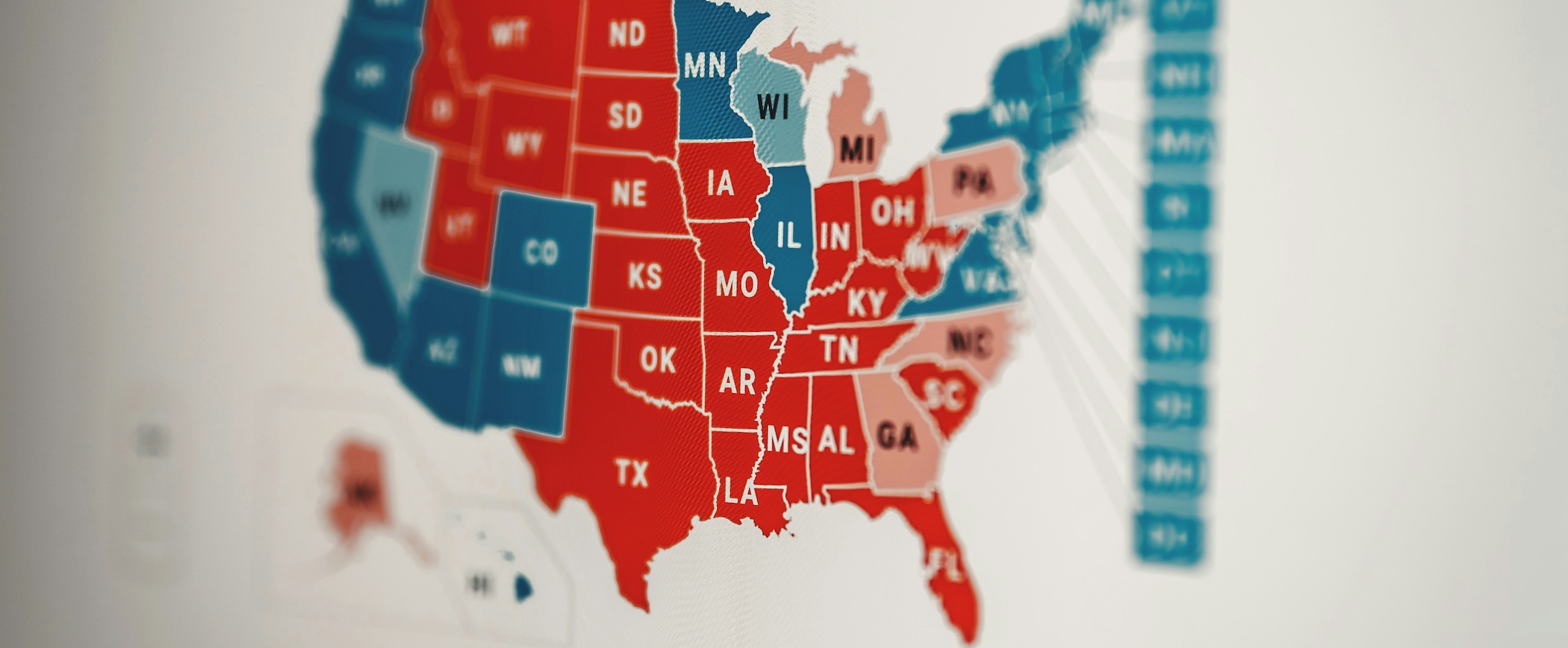
The United States Congress is currently divided — the Republican Party holds control of the House of Representatives and the Democratic Party controls the Senate. Future elections may change this dynamic, but the chances of the House, the Senate, and the Presidency all belonging to the same political party likely remain low. This bipartisan division, along with differing views and beliefs between the controlling parties, has made it difficult to pass legislation, including pro-animal legislation. At the moment, the U.S. Congress is the most polarized it has been in 50 years, as Democrats have generally become slightly more liberal and Republicans significantly more conservative in recent decades.
While animal advocacy can be apolitical, in recent years U.S. conservatives have generally been less supportive of animal protection measures. We can see this at the legislative level (such as the Republican Party’s introduction of the EATS (Ending Agricultural Trade Suppression) Act, which greatly threatens animal welfare laws), at the cultural level (like how alternative proteins are vilified in conservative messaging campaigns), and at the individual level (seen in how conservative voters are less likely than moderates and liberals to take all 18 pro-animal actions, like changing their diet or supporting Meatless Mondays, that were tested in a 2023 Faunalytics study).
However, there is room for positive change. Reframing issues that conservatives would not normally support (e.g., environmental issues) in terms of moral values that resonate with them can reduce the gap between liberals and conservatives (Feinberg & Willer, 2012). And, while changing national laws might seem like an immense challenge, previous Faunalytics research shows that affecting local and state laws can serve as stepping stones to larger change (Faunalytics, 2022). As a result, finding common ground with the values of U.S. conservatives—both constituents and legislators—is critical to passing legislation that will benefit animals.
In this study we implemented qualitative methods to determine how animal advocates in the U.S. can leverage conservative political values to bring about legislative change for animals at the state and federal levels. Using a combination of academic literature review and desk research, we identified values demonstrated by the Republican Party of the United States, conservative U.S. media, and the Republican public, and then determined how these align with animal protection goals and actions.
It’s important to note that stated values are not always demonstrated in practice. In this research, we looked at values stated by the conservative public and media or in the Republican Party, as well as values demonstrated by Republican legislators, and found many instances of misalignment. For example, the official Republican Party platform prohibits discrimination, but we found evidence of this anti-discrimination value being demonstrated only with respect to a few groups, while the party is attempting to pass many laws that restrict the rights of many others.
This disconnect may be due to two reasons: First, that these values may be somewhat rhetorical in nature and legislators or voters may not fully believe them, or second, the values may be understood differently by conservatives and non-conservatives (for example, how Democrats and Republicans have differing views on the extent of discrimination in the U.S.). Therefore, advocates must be mindful of the potential disconnect between values we see proclaimed and those we see practiced.
Given this, the report can be strategically integral in two ways: First, to identify which cause areas to pursue with conservative lawmakers or in conservative regions, and second, to help frame pro-animal messages to maximize their ability to influence culture shifts or individual pro-animal actions among conservatives. By identifying these areas of common ground, animal advocates can work with conservatives to create a better world for animals.
Key Findings
- Animal protection goals align with several values and issues that are important to U.S. conservatives. Our analysis of 71 conservative values and issues found 22 that align well enough to serve as potential inroads for advocates to present animal issues as nonpartisan or bipartisan. These values provide key insights into the best narrative frameworks when advocating for animals to conserve audiences and stakeholders.
- The values that most correspond to pro-animal actions are: Health (which can be used to promote plant-forward diets, advocate against the harms of factory farming and potential zoonotic outbreak from animal agriculture), Honesty (which can be referenced in the fight against ag-gag laws and misleading “humane” labels, or can even prompt consumers to avoid meat companies that have lied about welfare), Reason (which can be called upon with respect to how unreasonable many aspects of factory farming and animal use in experimentation actually are), Economic Fairness (which can help level the playing field between animal and non-animal meat products in the marketplace), Freedom of Speech (which is relevant to advocacy for ag-gag bans, fairer labeling, and the right to protest), and Family and Community (which can come into play when advocating against industrial animal agriculture).
- Republican legislators may be most swayed by finding common ground on economic issues, as these values were most apparent in their past actions. Conservative legislators’ voting records and bill introductions demonstrated the strongest adherence to this value, suggesting that they may be more responsive to animal protection work that aligns with them. For instance, taxpayer money being unnecessarily spent on animal research when ethical alternatives exist goes against the value of responsible government spending.
- Some conservative values like Economic Freedom and constitutional rights may take precedence over other conservative values, which could hinder animal protection efforts. Constitutional and Economic values are foundational for U.S. conservatives and may be closely related to the success or failure of animal protection goals. For instance, Economic Freedom has come up on multiple occasions when blocking the passage of pro-animal legislation, despite Animal Welfare also being a conservative value, so animal advocates should be prepared for conservative arguments based on these constitutional values. Another example is the value that conservatives place in their Families and Communities, which provides common ground with animal advocates who want to increase regulations on slaughterhouses that negatively impact the health of local communities. However, if the affected communities are primarily immigrant families, conservatives’ concern for national security and immigration in particular may take precedence, possibly resulting in the rejection of the bill.
- Republican legislators have demonstrated that they value animal welfare and may support animal welfare legislation. Animal advocates may find the greatest success in gaining support from Republican lawmakers for legislation protecting companion animals. While we did not find evidence of as much success with animal welfare bills meant to protect wild animals and farmed animals, bills relating to wild and farmed animals still had much Republican support behind them, with many Republican legislators co-sponsoring these bills and casting votes in favor of them.
Recommendations
- When working with conservative lawmakers, pursue legislation that aligns with conservative values, and position arguments accordingly. Examples include: appealing “ag-gag” laws (aligning with the values of Honesty, Free Speech), banning animal testing (aligning with Reason, Responsible Spending), appealing bans on the labeling of alternative meat (Free Speech), reducing bailouts for animal farms (Responsible Spending), better monitoring of factory farms from the EPA or similar organizations (Responsibility), or repealing/shifting animal ag subsidies (Economic Fairness).
- When framing pro-animal issues to conservative legislators and the conservative public, consider appealing to specific conservative values, which may be different than your normal messaging. For example, frame diet change as adding options, not subtracting them (to preserve the values of Conventionalism and Freedom), discuss how the alternative protein industry is creating jobs (Economic Prosperity), frame factory farming as harmful to humans (Health, Family and Community, Justice) or as unnatural (Purity). You should also point out illegal actions made by meat companies (Respect the Law), foreign control of U.S. meat companies (Enemy States), the lobbying from Big Meat (Dark Money), the connection between crime and violence against animals (Stand Against Crime), how animal agriculture harms the rural working class (Oppose Discrimination), and the morality of good stewardship of animals, especially companion animals (Faith).
- Be wary of how these values can be used to pass anti-animal laws. For example, these values can be used to ban or restrict alternative protein products (Purity, Conventionalism), preserve hunting rights (Right to Bear Arms), or oppose diet change on an individual or institutional level (Conventionalism).
- Show lawmakers that there is constituent support for the legislation you are proposing. Animal advocates can engage in grassroots lobbying to encourage the conservative public to contact their representatives about a bill. Conservative constituents may be most receptive to arguments involving personal values, but especially those involving family, children, their community, and their faith. Ensuring that legislation will not only benefit animals, but directly benefit families and communities as well (especially conservative ones), can help get more of the conservative public on board.
- Engage with the media to increase visibility of a particular animal protection issue or proposed bill. Write opinion pieces, press releases, and conduct interviews for the press to increase awareness and support for the topic of the legislation. A strong media presence is essential to ensuring the topic remains relevant and top-of-mind for legislators and their constituents, while demonstrating that it is an issue of interest to many.
- Advance animal protection legislation by showing legislators that they can be better aligned with the issues that are important to their constituents. A good example of this is how the value of Economic Fairness is held by the conservative public and represented in conservative media, yet we did not find it mentioned in the official Republican Party platform, nor have Republican legislators demonstrated it through their actions. Animal advocates who wish to leverage this value (e.g., to shift animal agriculture subsidies) can present the discrepancy to legislators as an opportunity to align better with issues their constituents care about.
- Don’t limit yourself to the values described in this report. As noted in the Results section, many other conservative values were identified that did not make it into this report because we were unable to identify a decent level of overlap with animal protection goals. This is not to say that no overlap exists. We invite you to look over the full list of identified conservative values in the “Other Conservative Values” section in the full report in case any values stand out to you as sharing overlap with the goals and actions taken by your organization.
Applying These Findings
Reports from Faunalytics that may be helpful to legislative advocacy include:
- This guide to reforming animal agriculture subsidies
- This study which found that local laws can serve as a stepping stone to state protection
- This study which tracked support for animal welfare in ten key states
- This survey of U.S. adults, which compared their openness to 18 different pro-animal actions across 21 demographic groups, including analysis of political identity
Advocates who would like to review past pro-animal laws that have been supported by or introduced by conservative lawmakers can review this non-exhaustive list:
- Preventing Animal Cruelty and Torture Act (PACT), 2019
- Dog and Cat Meat Trade Prohibition Act, 2018
- Animal Drug and Animal Generic Drug User Fee Amendments, 2018
- Puppy Protection Act, 2021
If you are interested in reviewing more legislation that impacts animals, review Congressional records here. You can also view the pro-animal voting records of specific politicians via the HSLF scorecard here: 2023 Humane Scorecard. It may be helpful to point out past instances of pro-animal legislation from conservatives, especially those that come from influential leaders.
When engaging with the conservative public, we encourage advocates to focus on aspects of animal farming that conservatives find morally wrong. For example:
- 76% of conservatives would support a ban on farmed animal confinement
- 69% would support some method of preventing chick culling
- 60% oppose gene editing to make farmed animals larger
- 75% find castrating pigs without anesthetic unacceptable
- 84% find keeping chickens in tiny cages unacceptable
- 56% would be open to supporting a ballot measure to improve farmed animal welfare.
Finally, we understand that reports like this have a lot of information to consider and that acting on research can be challenging. Faunalytics is happy to offer pro bono support to advocates and nonprofit organizations who would like guidance applying these findings to their own work. Please visit our virtual Office Hours or contact us for support.
For an in-depth, accessible overview of this study’s findings in video format, be sure to check out the webinar below.
Quick Reference Infographic
Below, you can find a table that provides a quick reference guide to the strategies and tactics advocates can use to leverage conservative values in their work. These are discussed in more detail in the full report.
Behind The Project
Research Team
The project’s lead author was Constanza Arévalo (Faunalytics). Zach Wulderk (Faunalytics) assisted in the study design and analysis stages. Björn Ólafsson (Faunalytics) contributed substantial writing and interpretive support to the report. Dr. Jo Anderson (Faunalytics) reviewed and oversaw the work.
Acknowledgements
We would like to thank Steve Shepherd, Courtney Dillard, Alex Cerussi, Liam Gray, Marty Irby, and Kim Kelly who provided valuable input that helped shape this study. We are also grateful to Dung Nguyen and Jamie Parry, who assisted during the analysis stage of this study. Finally, we would like to thank the Food System Research Fund and the Kirkpatrick Foundation for their support.
Research Terminology
At Faunalytics, we strive to make research accessible to everyone. We avoid jargon and technical terminology as much as possible in our reports. If you do encounter an unfamiliar term or phrase, check out the Faunalytics Glossary for user-friendly definitions and examples.
Research Ethics Statement
As with all of Faunalytics’ original research, this study was conducted according to the standards outlined in our Research Ethics and Data Handling Policy.
Let us know what you think!
We conduct research to help advocates like you, so we really value your input on what we’re doing well and how we can do better. Take the brief (less than 2min) survey below to let us know how satisfied you were with this report.

Citations:
Arévalo, C. & Ólafsson, B. (2024). Bridging U.S. Conservative Values And Animal Protection. Faunalytics. https://faunalytics.org/bridging-u-s-conservative-values-and-animal-protection/
