
You Win Some, You Lose Many: Conservation Bias Fails The Most Vulnerable


Who gets to be saved is a moral dilemma that plays out in every disaster scenario — including the global mass extinction we’re currently experiencing. As it turns out, we’re living through the sixth mass extinction, and according to the study’s authors, our decisions about which species to protect are far from fair or effective. In a comprehensive analysis of nearly 14,600 conservation projects spanning 25 years and representing close to US$2 billion in funding, they argue that conservation dollars aren’t being spent where they’re most needed.
Instead of being based on scientific assessments of extinction risk, funding is disproportionately allocated to large, charismatic species while most threatened species are left unsupported.
Despite growing awareness of biodiversity loss, resources for species conservation remain limited. The authors highlight that fewer than 6% of species identified as globally threatened by the International Union for Conservation of Nature (IUCN) Red List have received targeted conservation support. In fact, more funding was allocated to species listed as “least concern,” and just 47 species absorbed nearly 40% of all single-species project funding.
Vertebrates received over 80% of all funding, even though they represent only a small portion of total biodiversity. Even within vertebrates, amphibians, who are long recognized as the most threatened group, make up roughly 25% of all threatened vertebrate species, yet received less than 3% of conservation funding. Invertebrates, fungi, and plants, many of whom face equal or greater extinction risks, remain critically underfunded, collectively receiving less than 14% of total funding.
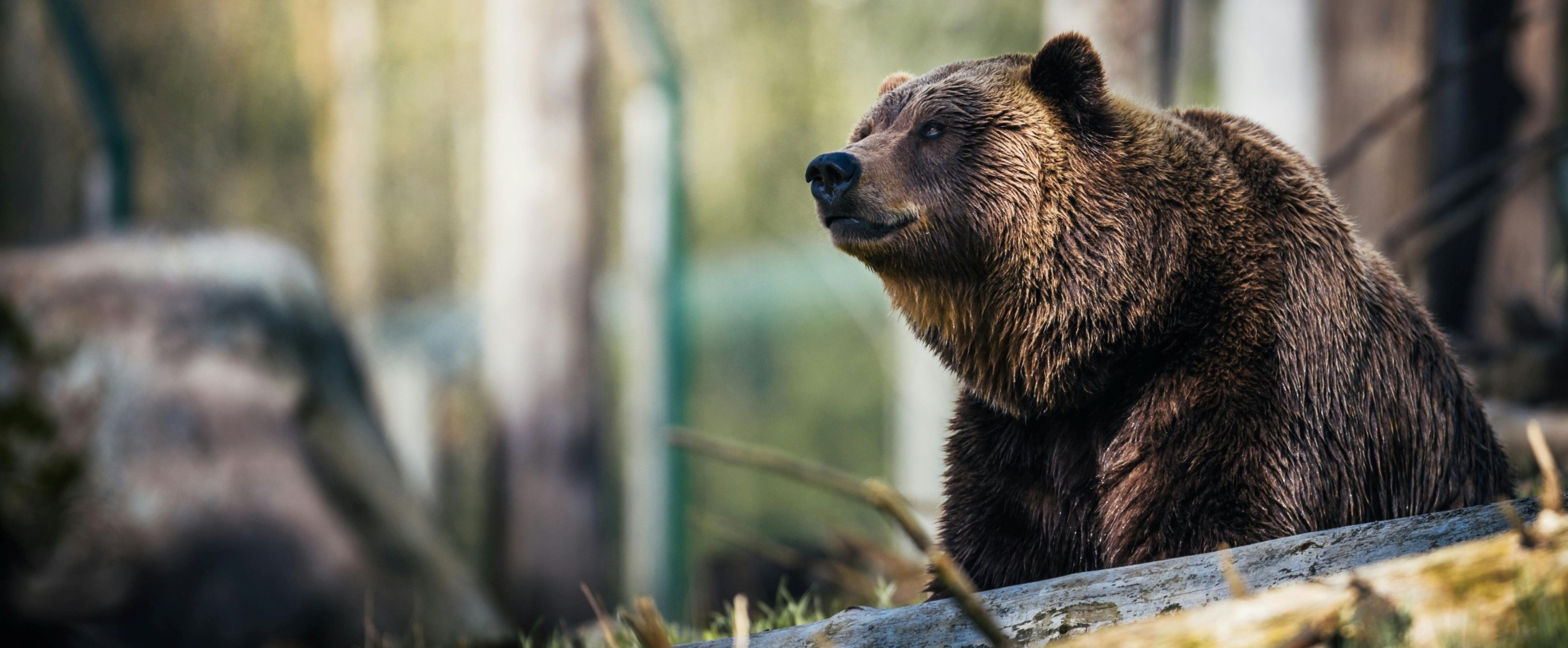
By contrast, over 500 projects were dedicated to charismatic species such as gray wolves and brown bears, both of whom are classified as “least concern” by the IUCN. Species with aesthetic appeal, cultural symbolism, or media presence attract a disproportionate share of attention. The researchers argue that while these species help generate public interest, they make poor representatives for broader conservation outcomes.
Within vertebrates, a strong bias exists toward large-bodied terrestrial mammals. Primates, large cats, and elephants receive the bulk of attention and funding, while smaller and less charismatic mammals, such as rodents and bats, are largely overlooked. Similar patterns were observed in reptiles, where turtles and tortoises alone received a staggering 91% of funding, leaving snakes, lizards, and crocodiles severely underfunded.
The authors also investigated whether better-funded species are more likely to show population recovery. They found no consistent link between the amount of funding a species received and improvements in that species’ population trends, suggesting that current investment patterns are failing to translate into effective conservation outcomes.
This may be partly due to the fact that most projects focus on single species rather than the broader ecosystems in which those species live. However, preventing extinction often requires addressing complex ecological networks and interdependent biological interactions that can’t be captured by species-specific approaches alone. Although multi-species projects reduce the funding available per species, they may offer broader ecological benefits by addressing shared threats and helping to conserve entire communities or ecosystems.
The researchers call for an urgent shift toward more data-driven, equitable, and coordinated conservation planning, one that seeks to preserve biodiversity holistically rather than focusing narrowly on individual species. For example, species that have fewer and smaller suitable types of habitat should be prioritized when allocating conservation funding because they’re more at risk of extinction when their limited habitat is destroyed.
According to the authors, greater emphasis should be placed on tackling large-scale drivers of biodiversity loss, such as habitat destruction and biological invasions, rather than disproportionately investing in boosting the populations of single species affected by narrower threats like the wildlife trade. They also propose:
- Better tracking of global conservation efforts;
- The creation of a centralized funding database; and
- The development of new funding mechanisms to support neglected taxa, particularly invertebrates and plants.
Improved coordination between conservation agencies, along with greater transparency in how funds are allocated, could help reduce redundancy. With limited resources available, duplicating efforts across multiple projects for already well-supported species is inefficient and increasingly difficult to justify. Without such reform, the authors warn, the conservation movement may continue to lose species — not because they’re beyond saving, but because they don’t fit our narrow narratives of who’s worth saving.
https://doi.org/10.1073/pnas.2412479122

Citations:
Guénard, B., Hughes, A. C., Lainé, C., Cannicci, S., Russell, B. D., & Williams, G. A. (2025). Limited and biased global conservation funding means most threatened species remain unsupported. Proceedings of the National Academy of Sciences of the United States of America, 122(9), e2412479122. https://doi.org/10.1073/pnas.2412479122
