The Replacement Nobody Is Asking For


Most major U.S. packaged food companies are reformulating their red products at the same time, against roughly the same deadline. The FDA’s push to clear petroleum-based dyes from the food supply is, for most of the colors involved, a voluntary transition rather than a ban. Red 3 is the exception, banned outright with a 2027 compliance date. The reds are coming out, but what is replacing these synthetic dyes?
For most colors there is a clean answer. Turmeric and annatto cover yellow and orange. Butterfly pea flower and gardenia handle blue. Red is more difficult, and there is already one “natural” option that many companies are familiar with: carmine, a red dye made from the desiccated, crushed bodies of cochineal insects.
So a public health measure aimed at reducing children’s exposure to petroleum derivatives could add billions of animals to the food supply chain. With this looming, urgent animal welfare issue ahead of us, at the International Council for Animal Welfare (ICAW), we started engaging with companies in January 2026, urging them to replace red synthetic dyes with plant-based alternatives (beet extract, anthocyanins from sources like purple sweet potato and black carrot, paprika oleoresin, and lycopene) rather than carmine, and if they’re currently using carmine in any formulations, to set a timeline to phase it out — and, where they already use carmine, to set a phase-out timeline. The early responses have been highly encouraging, but it’s worth understanding more about the carmine industry and why we must prevent the further use of cochineal insects to color foods.
What Carmine Is, And Why It Could Become The Default
Carmine is a red pigment made from crushed female cochineal insects (Dactylopius coccus). Most production is now in Peru with smaller operations in Mexico, Chile, Bolivia, and the Canary Islands. It takes roughly 70,000 insects, at the conservative end, to produce a single pound of dye — this number can be multiplied several times over depending on the specific product or concentration. It can appear on labels as carmine, cochineal extract, Natural Red 4, CI 75470, or E120.
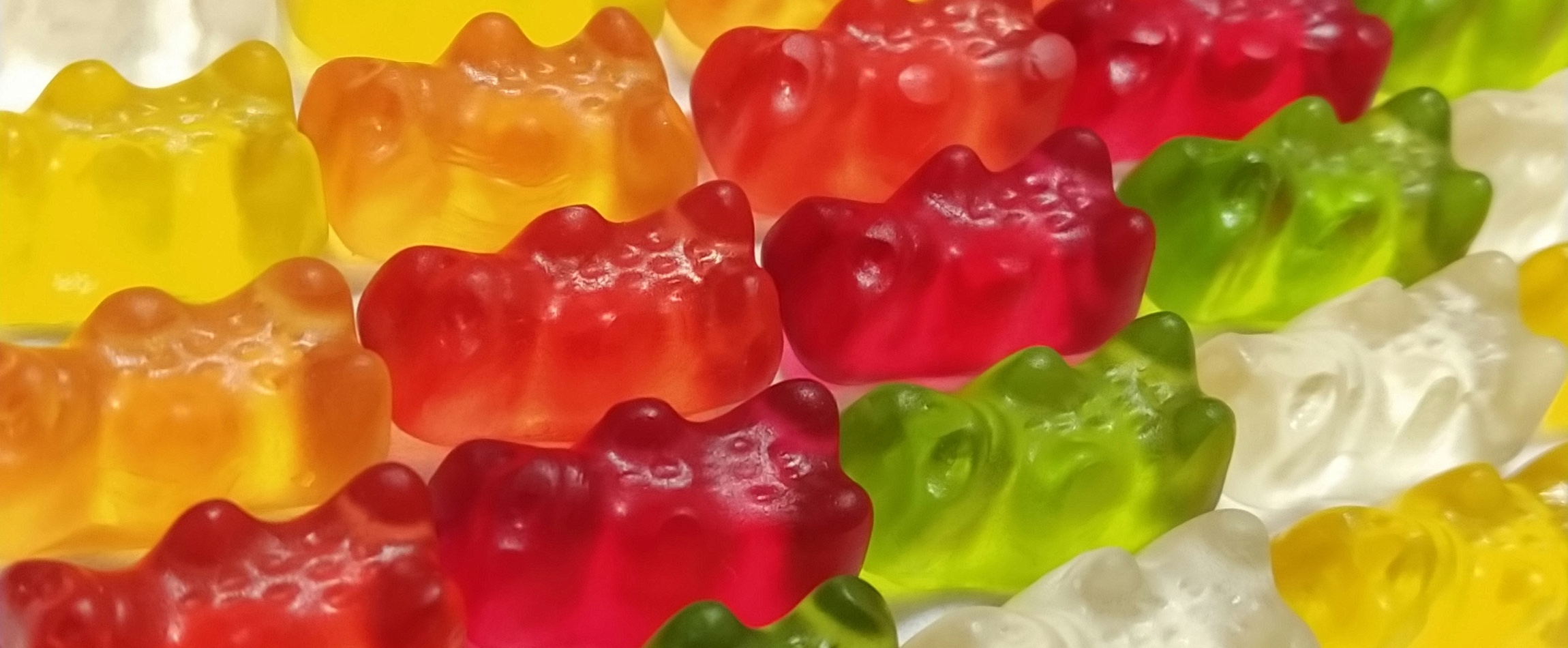
Sensient, one of the world’s biggest dye makers, has pitched cochineal and carmine to formulators as a cost-effective way to replicate the bright pinks and reds coming out of the supply. As the phase-out began, a Sensient technical director told the Associated Press that most of the company’s customers had decided this was finally the moment to switch to natural color, and Sensient officials described cochineal as the way to reproduce “Barbie pink” without a synthetic. The reason carmine keeps surfacing is technical: it is one of the few natural reds that stays stable through heat. For a formulator working against a deadline, hearing this directly from their color supplier, carmine easily becomes the default.
There is also a welfare question underneath all of this: emerging science suggests insects are highly likely to experience pain and suffering. While the evidence for the Hemiptera order of insects (to which cochineals belong) is thin, other work assessing pain in insects finds that several orders meet criteria used to infer pain in other animals. This, in our view, is an argument for caution rather than confidence. Cochineal insects are killed by sun-drying, oven-drying, or immersion in hot water — methods that, if these animals can suffer at all, are among the worst available. And unlike most welfare problems in the food system, this one is entirely avoidable: plant-based reds already exist and already work.
Reaching Companies While The Decision Is Still Open
ICAW reached out to numerous companies set to phase out FD&C synthetic colors. Some already use carmine in some of their products, so reformulation could extend it across the rest of the line; others don’t currently use carmine, but could turn to it as an alternative during their phase out of synthetic colors.
The phase out window is brief and some companies are racing to meet it. Nestlé USA announced in June 2026 that it had already completed its phase-out of FD&C colors. Others are currently doing R&D testing. We know that once companies reformulate, changing course again gets much harder.
We started by identifying companies that had already prohibited carmine, to share with others as a positive example. Starbucks removed cochineal extract in 2012 after public pressure. Whole Foods and Natural Grocers prohibit carmine, as does Panera.
We also told companies what was coming, in our own public awareness efforts on this issue. This fall, we will publish a report naming which companies are putting cochineal insects into food, and which companies have chosen not to. We’ve shared preview websites where we’ll plan to list companies that currently utilize carmine, or have failed to confirm whether they’re prohibiting it. These include BugsInCandy.com and BugsInYourFood.com.
What Messaging Actually Works
Campaigning on carmine works differently from most animal welfare work. We’ve found the arguments that move companies have little to do with welfare or sentience. The first point we often make is simple: there is no demand for this product. A parent relieved that Red 40 is gone is not going to be reassured to learn it was replaced with insects.
Reformulation costs money, and to spend that money and time reformulating with insects, only to then have customers disgusted, is a wasted effort. It also comes with bad press. We told companies that ICAW’s attention on this issue will bring its own publicity, and that their choices will directly shape how we portray the companies to the media.
There are already strong precedents for how the media has portrayed insect use in the food industry. When Starbucks was found using cochineal insects in its strawberry base in 2012 after a barista leaked the ingredient list, the company announced within weeks that it was removing it. Dannon chose the opposite path. When the Center for Science in the Public Interest campaigned over carmine in Dannon’s yogurts, Dannon declined to reformulate and responded that carmine is safe and clearly labeled. Notably, the company wasn’t using carmine in Danimals, its children’s line, which suggests it recognized the reputational risk in a line marketed to kids.
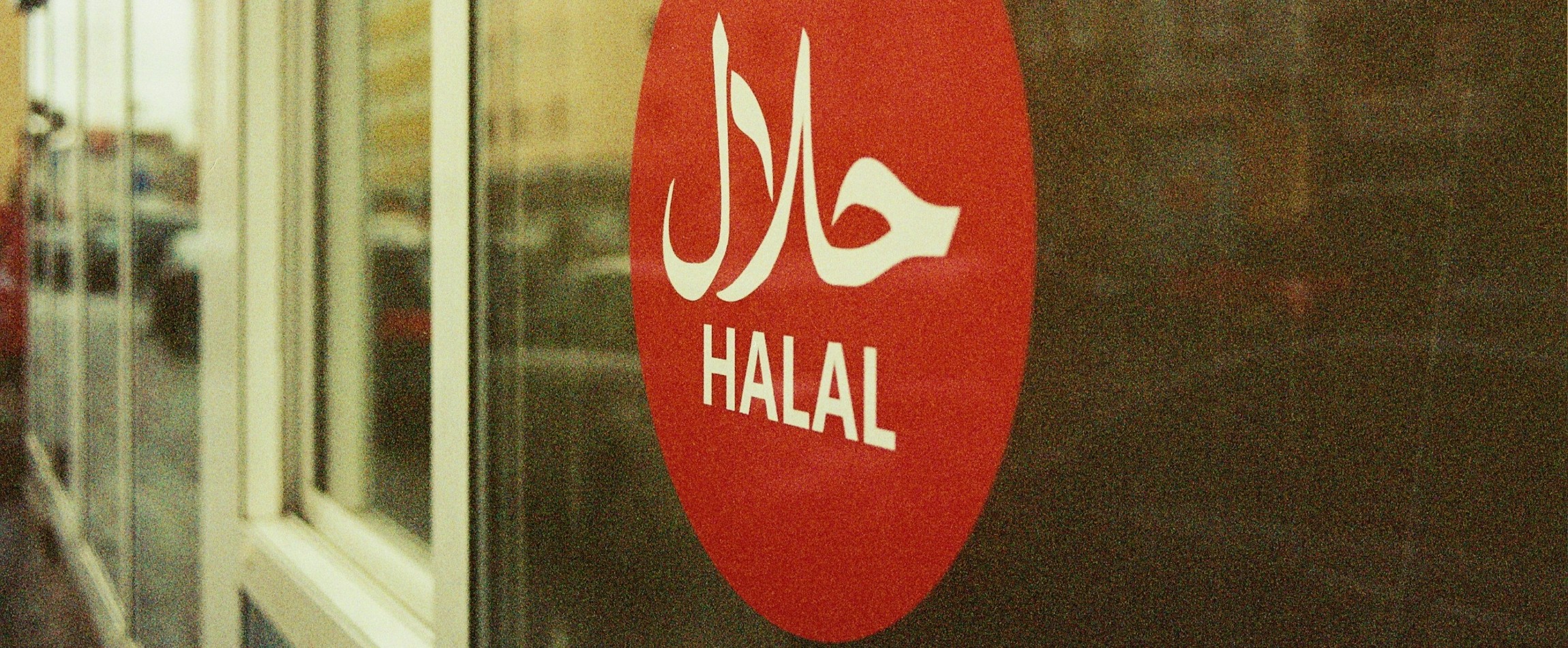
Carmine is also a documented allergen that has resulted in severe reactions including anaphylaxis, which is why the FDA requires it be named on labels. It’s also not suitable for vegetarians or vegans, it’s not kosher, and is typically not considered halal. This results in a smaller addressable market, chosen voluntarily, at the exact moment the company is spending money to make its product more broadly acceptable. Brands switching to carmine also lock themselves out of the growing natural retailer landscape.
Another point we bring up is the sheer number of insects — 70,000 — used to produce just one pound of dye. Even though we don’t lead with an insect welfare argument, often the scope of the number of insects involved is persuasive in and of itself.
The carmine campaign works differently from a cage-free or broiler welfare campaign. When we meet executives about cage-free eggs, retailers push back that their customers keep buying the cheaper, cage-produced ones. With carmine, customers aren’t seeking it out. Most shoppers aren’t even aware that it’s in their food. The companies using carmine would prefer to keep it that way. Pointing to Starbucks’ negative PR as an example and flagging an upcoming public awareness campaign gives them a reason to get ahead of the problem rather than doing damage control after the fact.
Where Things Currently Stand
We asked companies for two things: a public statement that carmine will not replace synthetic dyes in their reformulations, and a timeline for phasing out carmine in any existing products if it’s currently being used. As of mid-2026, we’ve received the following updates from companies:
- Thrive Market published that they prohibit carmine. They confirmed they’ve banned the ingredient for years, but our engagement encouraged them to publish it.
- JM Smucker publicly committed to not using carmine as a replacement for FD&C colors in any reformulations.
- HARIBO publicly committed to not using carmine as a replacement in reformulations.
- Nestlé USA already completed reformulation across their portfolio. They confirmed privately they did this entirely without the use of carmine. Although we still want to see a public commitment, given that carmine requires labeling, we’ve been able to confirm through their ingredient labels that they are indeed carmine-free.
- Mars privately confirmed that they have a limited use of carmine right now, and that they will no longer use carmine by 2027.
- Conagra Brands privately confirmed they have removed FD&C colors from their U.S. frozen product portfolio without using carmine, and that they’ve finalized the reformulations for the remainder of their portfolio, and will not be using carmine.
- Kraft Heinz privately confirmed they don’t use carmine and have no plans to use it in reformulation efforts.
- Sprouts Farmers Market confirmed they prohibit carmine in their Sprouts Brand products. As they develop store-wide ingredient standards, we’re encouraging them to prohibit carmine store-wide.
We are still engaging around 25 companies on carmine, and every example of one company reformulating without carmine shows the rest both that it can be done and that using carmine would leave them the outlier. If Nestlé – the world’s largest food and beverage company – can successfully reformulate without using insect-based dyes, there’s no reason other companies can’t follow suit.
What Comes Next
The report and public awareness campaign will launch in the fall, ranking companies that have taken a stand against using carmine, those that have privately stated they’re not using it, those that currently use it, and those that have remained silent.
Between now and then, we’ll continue engaging companies, working to move them from private commitments to public statements, and securing more meetings with companies on this matter to discuss this topic with them and why it matters to consumers. Ferrara, General Mills, and Mondelēz rank high on our list of potential campaign targets: none has ruled out carmine, and each could add large numbers of insects to its supply chain.
Regulatory transitions open short windows in which a default has not yet been set and changing it costs almost nothing. This was not announced as an issue related to animals, it was framed around public health. But when regulations are announced and an industry is told to remove something, the question worth asking early is what goes in instead — and who pays for it.