Industrial Chicken Farming Impacts Ethnic Minorities In Vietnam


As Vietnam’s economy has grown, diets have shifted toward higher consumption of animal protein, especially chicken. This change has led to a rapid expansion of the production of farmed birds, with increasing emphasis on large-scale, industrial systems. These systems typically rely on imported hybrid breeds, high-density housing, and external feed, and allow producers to sell chickens at much lower prices than traditional farmers.
In poorer regions such as Vietnam’s Northern Mountainous Region (NMR), however, small-scale chicken farming remains central to rural livelihoods. The NMR is home to more than 13 million people, including many economically and socially marginalized ethnic minority communities. Around 1.8 million households raise backyard chickens to feed their families and generate income, often using local breeds and indigenous knowledge. The rapid spread of industrial chicken farming now poses significant challenges to these traditional systems.
In this article, the authors examine how the growth of industrial chicken farming in the NMR affects small-scale ethnic minority farmers, with a special focus on women’s livelihoods, heritage breeds, and sustainability.
The study is centered on two provinces in the NMR, Thai Nguyen and Bac Giang. Both are located near Hanoi, and therefore have strong development potential, and host the highest numbers of chicken flocks in the region. In each province, two communes were selected based on the presence of ethnic minority women raising chickens and their proximity to industrial-scale producers. Because the study includes just these four specific communes, the findings may not generalize to other parts of the NMR or to rural areas of Vietnam more broadly.
Data collection relied primarily on participatory methods. Researchers conducted household surveys, focus groups, and in-depth interviews with a total of 110 participants aged 18 to 70. Household surveys involved 50 ethnic minority farmers (30 women and 20 men) and collected information on flock sizes, production practices, and income from chicken farming. Four focus group discussions (two per province, with 20 women and 20 men in total) explored key challenges and possible solutions, based on local knowledge. In-depth interviews with 20 small-scale producers (12 women and 8 men) allowed for more detailed discussion of sensitive topics such as debt, contracts, and production risks.
To provide broader context, the researchers also reviewed government reports, regional development plans, and academic literature related to the production of farmed birds in Vietnam.
Chicken production expanded rapidly in both provinces between 2016 and 2021, with the total number of flocks increasing by more than 150%. Two distinct production systems dominate: colored-feather heritage chickens and white-feather industrial chickens. Heritage breeds remain especially important in Bac Giang, where free-range systems and local genetic diversity are emphasized. In Yen The district, some heritage chickens have been certified under the “Yen The Hill Chicken” trademark, improving market access, traceability, and sales.
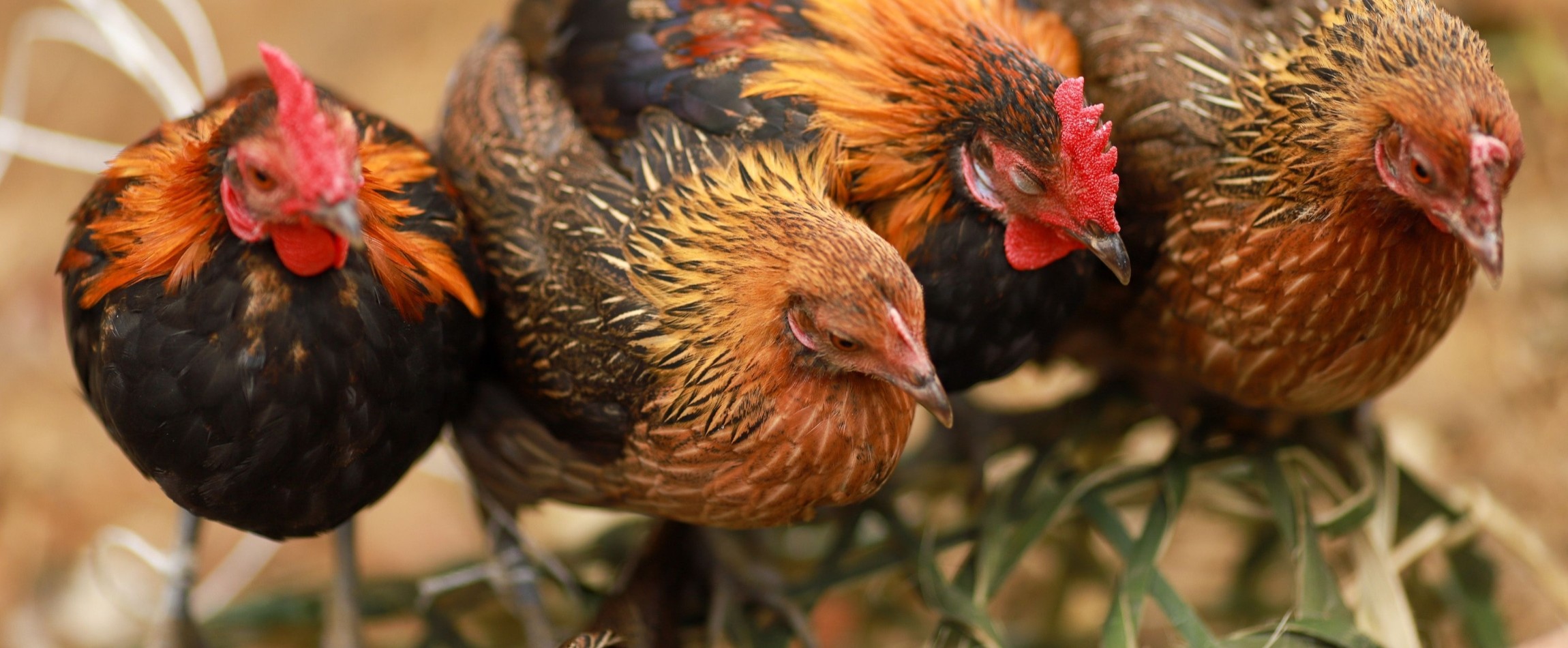
In many communities, particularly in Bac Giang, chicken farming is integrated with fruit production, especially lychee orchards. Ethnic minority women are central to these systems. Chickens benefit from shade and natural foraging, while their manure fertilizes trees and reduces the need for chemical inputs. This combination lowers costs and improves sustainability. For households with small flocks, chickens provide supplementary income (about 10% to 20% of total income), while households raising 500 to 3,000 birds often rely on chickens for around 50% to 80% of total income. Women-led cooperatives play an important role by sharing knowledge, preserving heritage breeds, reducing antibiotic use, and improving access to higher-value markets.
In Thai Nguyen, chicken farming still serves multiple purposes: income, household food, and gifts, all at smaller scales and often run by women. However, the province has seen faster growth than Bac Giang in white-feather industrial chickens and contract farming with large companies, which brings new risks. Farmers reported high upfront investment costs, dependence on company contracts, debt exposure, limited experience with large-scale systems, and environmental problems such as poor air quality and increased flies and other insects. Market shocks, such as during COVID-19, sharply reduced prices for both industrial and heritage chickens, further increasing vulnerability.
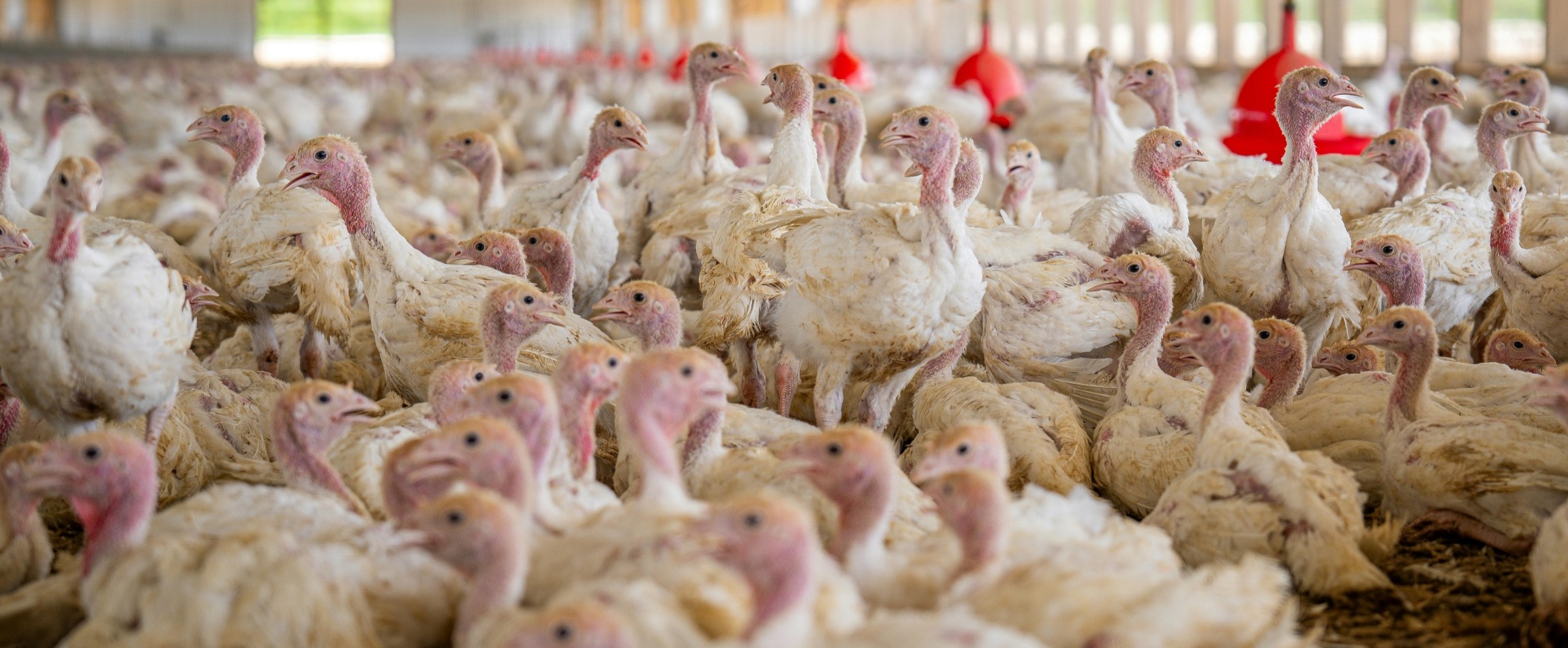
The study also found that animal welfare tends to suffer as operations scale up. Small-scale flocks are kept at low densities (as few as one to two birds per square meter, depending on the system) with the ability to forage outdoors and roost in trees, while more intensive operations house birds at higher densities with less freedom to move and higher rates of disease. Notably, many of the women raising smaller flocks had never encountered the term “animal welfare” before, despite the behavioral benefits and low mortality rates provided by their traditional methods.
The authors argue that while industrial chicken farming continues to expand, small-scale, women-led heritage chicken farms provide important benefits for food security, income, cultural preservation, animal welfare, and genetic diversity. Cooperatives and local branding initiatives demonstrate that small-scale producers can remain economically viable when supported by appropriate training and market access.
For animal advocates, the study highlights actionable pathways: supporting heritage breeds, promoting higher-welfare small-scale systems, advocating for policies that protect smallholders from unfair competition, and strengthening cooperatives that empower women. Preserving these systems not only improves animal welfare and biodiversity but also supports more just food systems in rural Vietnam.
https://doi.org/10.1080/21683565.2025.2501066

Citations:
Van Tam, N., Hoa, H. T., & Kingsbury, A. (2026). The impact of industrial-scale chicken production on ethnic minority women and smaller-scale heritage farming in the Northern Mountainous Region of Vietnam. Agroecology and Sustainable Food Systems, 50(1), 21–45. https://doi.org/10.1080/21683565.2025.2501066