University Experiments Leave Farmed Animals With Little Protection


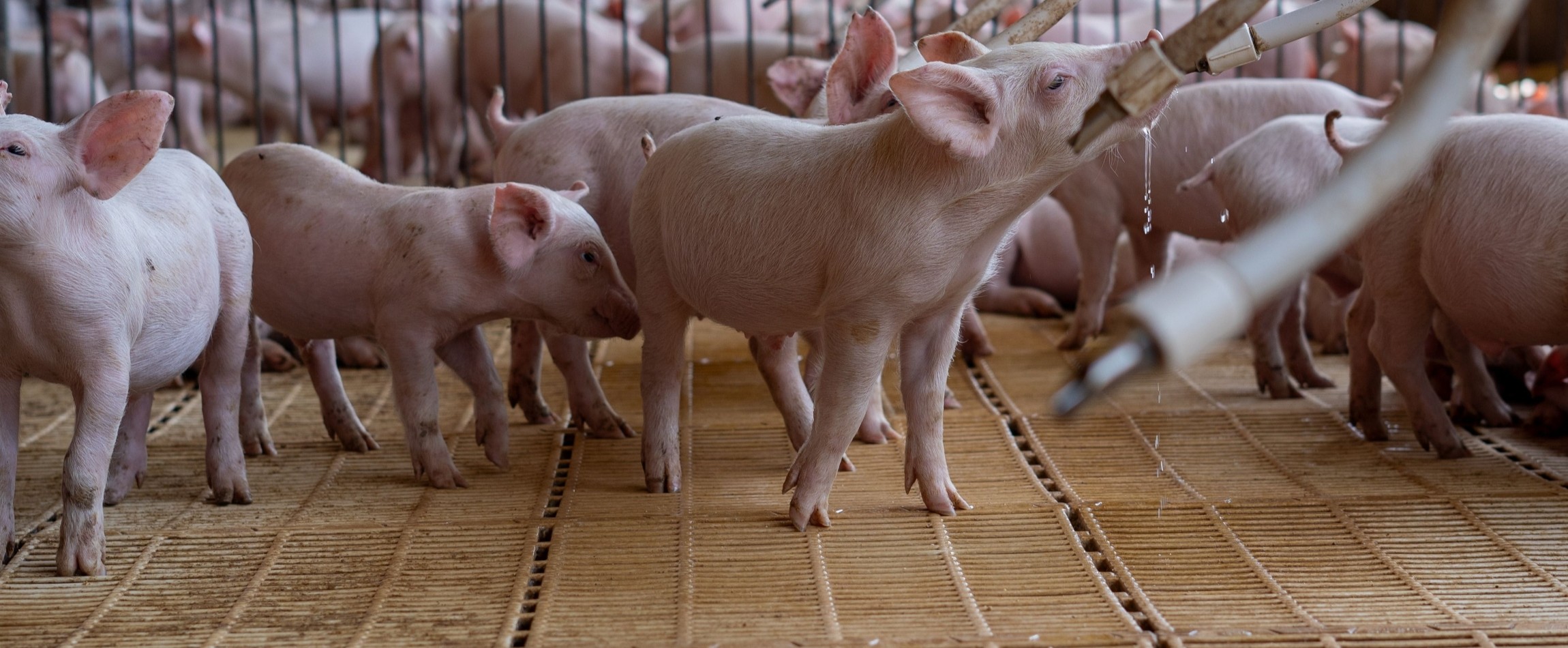
When people picture animal experimentation, they tend to imagine dogs or primates in lab cages, not cows, pigs, and chickens on a university farm. Yet, in the U.S., farmed animals are used in experiments on nutrition, genetics, reproduction, behavior, and more, often funded by and carried out for the animal agriculture industry.
The Animal Welfare Act excludes farmed animals used in agricultural research, so their numbers, treatment, and fate are left out of federal reporting. A National Institutes of Health policy on the humane care and use of lab animals rarely applies since the agency mainly funds biomedical work.
This report from Animal Partisan, a legal advocacy organization, opens a narrow window into this hidden sector. Some public universities voluntarily have their agricultural programs accredited by the Association for Assessment and Accreditation of Laboratory Animal Care International (AAALAC), a non-governmental organization. The documents they submit to AAALAC can often be obtained through public records requests.
Working with Rise for Animals, an organization focused on ending animal experimentation, Animal Partisan requested these records from every AAALAC-accredited public institution in the country. The two groups analyzed records from 10 universities that met their criteria, mostly dating from 2022 to 2026, along with publicly available federal funding data. At least eight other accredited universities weren’t included due to issues ranging from heavy redaction to unaffordable fees.
Nearly 100,000 Animals On Working Farms
To estimate animal numbers, the authors subtracted each university’s farmed animal count reported to the U.S. Department of Agriculture (USDA) from its count reported to AAALAC. The USDA figures cover only non-agricultural experiments, while AAALAC’s cover all uses.
Across the 10 universities, an estimated 97,448 farmed animals were used in agricultural production, experiments, and teaching in a single year. Farmed birds made up just over half (52%), followed by pigs (19.5%), cows (18%), sheep (9%), and goats (1%). On average, an estimated 96% of the farmed animals used at each university fell outside the Animal Welfare Act’s protections.
These facilities often operate as working farms. A single animal may be a research subject, a teaching tool, and a product for sale at the same time. Many campuses slaughter animals at their own USDA-inspected facilities and sell meat, milk, and eggs from experiment and teaching animals under university brands. Most consumers are likely unaware that these products came from animals used in experiments.
Taxpayers and industry both fund this work. Two USDA agencies directed roughly $72.4 million to farmed animal experimentation or related projects at nine of the universities from 2021 to 2025. The authors consider this a minimum. Commodity boards like the National Pork Board and companies such as Tyson Foods also provide funding. State laws route money from fees collected by the Oregon Beef Council and Indiana Egg Board to university programs.
Industrial Confinement And More
Animals often live in the same systems used in industrial agriculture: calf hutches, gestation and farrowing crates, battery cages, and tie stalls. Every university that routinely houses pigs described using gestation and/or farrowing crates.
AAALAC says its standards align with those of a “high-quality, well-managed farm,” based on a guide whose space standards and stocking densities typically match industry practice. The guide’s authors include representatives from companies such as Tyson Foods and researchers from the universities studied. State confinement laws also often exempt research. For example, Michigan State University houses pregnant pigs in stalls and chickens in cages despite state laws restricting both.
Experiments can add further restraint. Metabolism crates, used to control feeding and collect urine and feces, can be so tight that animals can only stand and lie down. At Purdue University, pigs are held in crates where they can’t turn around, typically for 10 days following a multi-day adjustment period. At the University of Illinois Urbana-Champaign, calves infected with a diarrhea-causing pathogen may be restrained for up to 14 days, preceded by an acclimation period of two to three days.
For some animals, these conditions aren’t limited to a single study. Because many farmed animals stay in university herds for months or years, the same individual may be enrolled in experiments and teaching again and again. At Michigan State University and the University of Illinois Urbana-Champaign, for instance, cows with permanent surgical openings into their digestive tracts are reused across multiple studies.
How Suffering Is Downplayed
The USDA sorts animal use into tiers based on pain and distress. Across seven universities, the authors found 608 protocols (approved plans for experiments, teaching, or husbandry) involving farmed animals. Of the 498 with a pain and distress designation, 71% were placed in Category C, a tier for procedures involving at most momentary or slight pain or distress. Another 23.5% were Category D, where pain-relieving drugs are given, and 2% were Category E, where pain relief is withheld.
Yet Category C included pigs subjected to three days of acute heat stress and ducks subjected to 10 days of it. At Michigan State University, it even covered a study on whether steam could speed up killing chickens by shutting off barn ventilation. The University of Illinois Urbana-Champaign states that experiments exposing animals only to “standard agricultural practices” may all be rated minimally painful or distressing. The authors argue that heat stress and ventilation shutdown likely landed in Category C for this reason, even though these practices can cause intense and prolonged suffering.
In Category E protocols, chicks were deliberately infected with salmonella while treatment was withheld. Piglets were infected with E. coli and denied treatment for three days before being killed.
Pain and distress designations capture only part of what animals experience. The records also flag certain procedures separately, revealing burdens these designations may hide. For example, 17% of protocols involved surgery that animals were expected to recover from, often to permanently alter their digestive tracts. Another 13.5% involved deliberate exposure to hazardous agents, such as bacteria, chemicals, or radiation. Only 2% were flagged for prolonged restraint, yet Purdue University listed none despite describing metabolism crates that hold cows for up to three weeks.
Self-reported “adverse events” add further harm. Six pigs at Purdue University died of peritonitis (inflammation of the abdominal lining) linked to the traumatic insertion of a temperature logger. At the University of Illinois Urbana-Champaign, an internal investigation confirmed that an employee’s handling practices violated the Animal Welfare Act and state animal cruelty laws.
Limitations
The animal numbers are estimates that combine records from different years. The universities weren’t randomly selected, and their self-reported records vary in detail (one gave pain and distress designations for only 22 of its 132 protocols, for instance). However, the authors note that these universities may be among the more transparent in the sector.
What Advocates Can Do
The authors call for research into what students and consumers know and think about farmed animal experimentation. They suggest that both lab animal and farmed animal advocates fold this issue into existing campaigns, including campus outreach. Policy options include asking universities to offer adoption or sanctuary placement after experiments. At the federal level, advocates could petition for labels on products from animals used in certain experiments.
Advocates can also push further. When universities cite AAALAC accreditation as proof of humane care, advocates can point out that for farmed animals, it’s largely benchmarked to industry practice. Thus, future confinement laws could target research exemptions directly.
This summary was drafted by a large language model (LLM) and closely edited by our Research Library Manager for clarity and accuracy. As per our AI policy, Faunalytics only uses LLMs to summarize very long reports (~50+ pages) that are not appropriate to assign to volunteers, studies that contain graphic descriptions of animal cruelty or animal industries, and research on niche topics. We remain committed to bringing you reliable data, which is why any AI-generated work will always be reviewed by a human.

Citations:
Griffiths, Z. (2026). The worst of both worlds: The hidden lives of farmed animals at the intersection of agriculture and experimentation. Animal Partisan. https://static1.squarespace.com/static/6318c476cc6cdb6a4beac1b7/t/6ab32beb367ac61f677b9e10/1790127083239/The+Worst+of+Both+Worlds+Report+9.23.26.pdf