
First, Do No Harm: Lessons From Species Recoveries In Canada


Canada has the world’s longest coastline, around 25% of the planet’s boreal forests, temperate forests, and wetlands, and at least 80,000 wild species, about a fifth of which are at some risk of extinction. The country also has ambitious environmental goals, including a commitment to halting and reversing nature loss by 2030 and achieving a full recovery for nature by 2050. Species threatened with extinction are protected under the federal Species at Risk Act, passed in 2002.
Still, Canada faces a daily battle between protecting its wild flora and fauna and harvesting its fossil fuel, timber, and mineral resources. Crude oil is the country’s primary international export. Given this ongoing tension, it’s crucial to understand whether Canada is making progress toward its biodiversity goals.
Two Ways To Measure Recovery
This study investigates the elements of successful species recoveries in Canada through two approaches. Each approach relies on a previously unpublished database of species assessed by the Committee on the Status of Endangered Wildlife in Canada (COSEWIC), the scientific committee that assigns risk categories such as threatened or endangered.
For the first analysis, the researchers examined long-term trends in extinction risk using a database of 1,174 species with assessments between 1978 and 2022. They categorized 36 of the earliest species ever assessed (called “sentinel species”) by whether they’re now doing better, the same, or worse. They then looked at funding, recovery teams, recovery plan timing, and whether each species’ original cause of decline had been addressed.
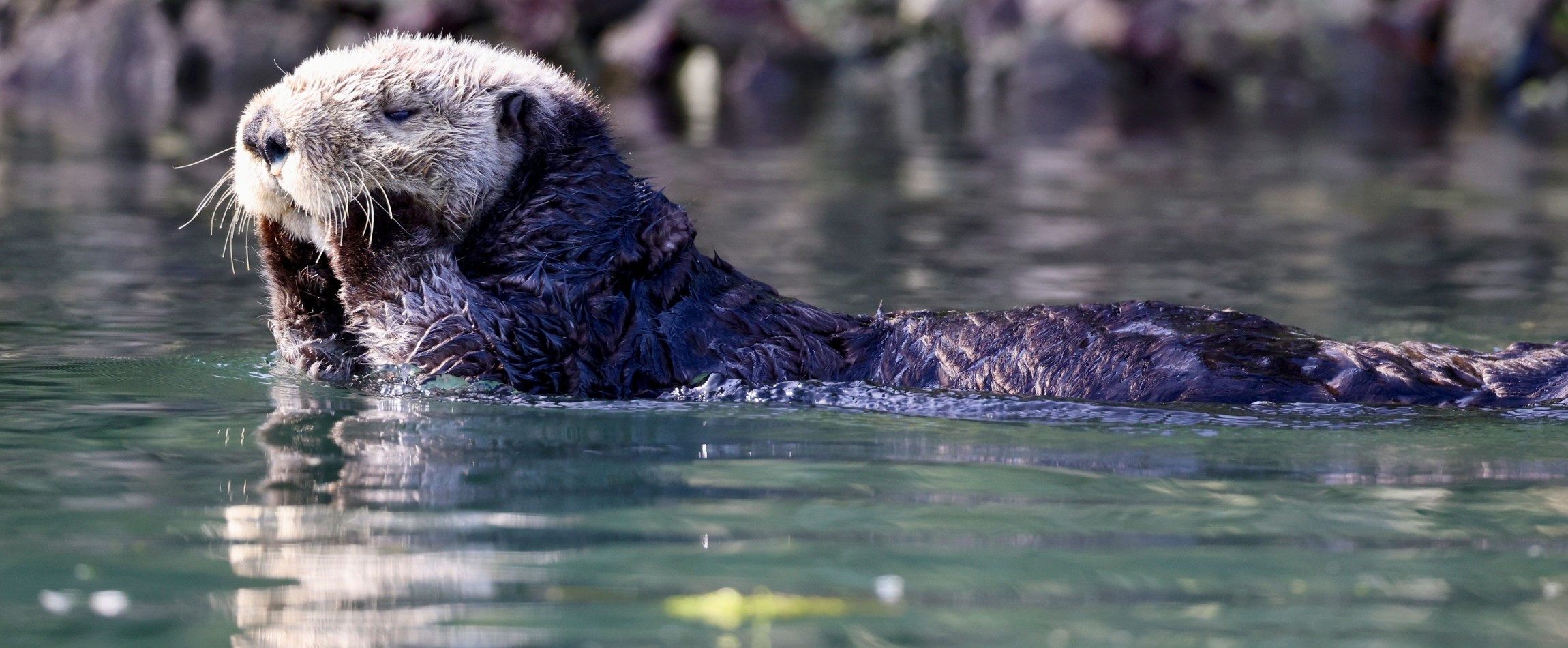
In the second analysis, the researchers examined more recent recoveries. They used a database of 422 species with at least two assessments between 2000 and 2019, where the assessments had been translated into numeric scores. This time, success was defined as both decreased extinction risk and increased population abundance. The researchers zeroed in on eight successful recoveries and paired each with a similar setback species (e.g., the sea otter and the northern fur seal). They then recorded the legal protections and practical interventions each case study species had received.
The Harm Must Be Stopped Before Recovery Can Start
Eight of the 36 sentinel species (22%) are now in a lower risk category than at their first assessment, 14 (39%) are unchanged, and 11 (31%) are actually in a higher risk category.
The only factor that clearly separated these groups was whether a species’ original cause of decline had been stopped. The cause had been mostly or fully addressed for seven of the eight species doing better, but only partly or not at all for species doing worse. Surprisingly, funding, recovery team size, and time to produce a recovery plan made no statistically significant difference. The four best-funded species received more money than all the others combined, yet only one, the wood bison, is doing better.
In the second analysis, only eight of 422 species — around 2% — met the study’s stricter definition of recovery success. In fact, 55 (13%) showed setbacks. According to the researchers, the gap between the two analyses (22% versus 2%) shows that a better risk category doesn’t always mean a growing population.
Among the 16 case study species, overexploitation (e.g., hunting) was the most common cause of decline, followed by habitat loss. Successful species recoveries shared several key traits. The cause of the species’ decline was addressed first, usually by strong regulations. For example, Canada halted wood bison hunting in 1893, when only about 250 remained, and their numbers doubled by 1914. Once the initial threat had been stopped, practical interventions varied from species to species and included reintroductions, disease monitoring, invasive species control, and captive breeding programs. Overall, successes had more legal protections and practical interventions than setbacks, an average of 5.4 compared with 4.0.
The findings also suggest that the quality of interventions matters as well as the quantity, especially when it comes to environmental conditions. Reintroductions into protected habitat helped sea otters, swift foxes, and wood bison rebound, but similar efforts failed for black-footed ferrets because their primary prey, the black-tailed prairie dog, wasn’t abundant enough. The researchers suggest that recoveries work best when the underlying threat is addressed and habitat is both protected and improved.
Recommendations For Successful Recoveries
From a governance and legislative perspective, there’s a need for an integrated approach at all governmental levels and across all sectors with an interest in species conservation in Canada. Cross-border collaboration is also important. For instance, simultaneous bans on the agricultural insecticide DDT in Canada and the U.S. in 1972 helped peregrine falcons recover by clearing the way for captive breeding and release programs. However, this type of collaboration remains limited.
The authors recommend that Canada reduce its greenhouse gas emissions and keep species populations connected — for example, by banning resource extraction in calving grounds and ice crossing corridors. There also needs to be better accountability. The authors note that Canada’s proposed Nature Accountability Act, introduced in 2024, didn’t define how to measure outcomes, and suggest tracking changes in actual population numbers.
Finally, care needs to be taken when planning for human population expansion so as not to spread too far into wild environments. Importantly, species conservation in Canada can’t be promoted to the detriment of reconciliation with Indigenous communities. Many First Nations, Métis, and Inuit communities already lead recovery efforts, yet the sea otter and wood bison reintroductions happened largely without Indigenous rightsholders’ consent or involvement.
This study is limited by the availability and consistency of information for the species reviewed and by challenges in comparing species from very different taxonomic groups. The authors stress that their results show patterns rather than causes, and the case study sample was small. Despite these limitations, the results show that species recoveries are possible with targeted and sustained effort.
https://doi.org/10.1139/facets-2024-0084

Citations:
Schiller, L., Tissier, M. L., Davis, A. C. D., Lamb, C. T., Mayer, S. O., Menzies, A. K., Shahmohamadloo, R. S., & Vanderwolf, K. J. (2025). Hopeful insights from wildlife recoveries in Canada. FACETS, 10, 1–17. https://doi.org/10.1139/facets-2024-0084
