
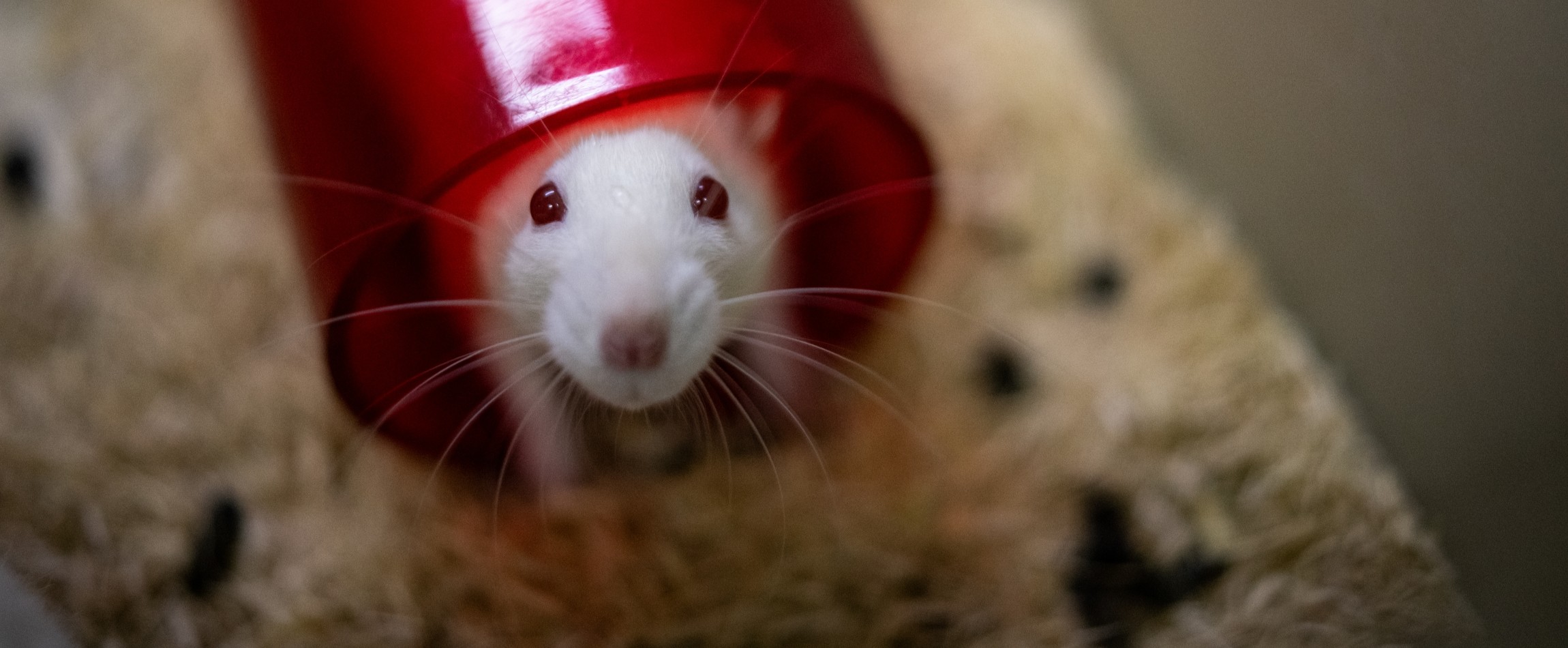
Stress Reduction For Rodents In Laboratories: Better, But Not Great


Mice and rats are intelligent and social animals with a range of natural behaviors which can’t be performed in an empty laboratory cage. Examining what cage additions improve their quality of life can help scientists create an environment designed to reduce their suffering. This is in line with the 3 Rs, a set of principles intended to make animal-based research more “humane”:
- Replace: pursue non-animal experimental models
- Reduce: modify experiments to require fewer animals
- Refine: redesign studies to minimize animal suffering
To this end, the authors carried out a meta-analysis of 208 full-text articles, representing 271 separate studies, to see if various housing factors affected rodent health and stress levels. This was an update of their previous meta-analysis on the same topic.
The authors looked at differences between what they deemed “conventionally housed” rodents and rodents in “well-resourced” cages. They described conventional housing as the traditional laboratory model of shoebox-sized cages with bedding, food, and water, but no extra features. In contrast, well-resourced cages featured some combination of the five following resource types:
- Additional space
- Environmental complexity
- Nesting materials
- Shelters
- Wheels
The 271 studies conducted on rodents were focused on five stress-sensitive diseases, including cancer, stroke, anxiety, depression, and cardiovascular disease. In their supplemental materials, the authors listed ways in which these conditions were induced. For example, for cancer, these included injection of tumor cells, while for depression, these included early separation from mothers, social isolation, or being held in restraints. Given this methodology, it’s important to remember that rodents used in laboratory experiments are often subjected to intentional physical and psychological trauma inherent to the experiment goal, so no amount of enrichment can fully make up for this trauma.
That said, the authors found that the addition of resources did have a statistically significant effect on the reduction of rodent stress, with a greater diversity of resources linked to less severe disease. Even the addition of a single resource or two improved health. Thus, they conclude that cages that meet more of a rodent’s physiological and behavioral needs are better at reducing distress.
While the data collected across articles only allowed for statistical analysis of the five resource types discussed above, the authors listed five additional resource types they believe may also benefit rodents:
- Substrates which allow burrowing
- Foraging opportunities
- Fresh plants
- Gnawing materials
- Sweet or high-fat foods
High-fat foods may be given in abundance in cholesterol studies, but further exploration would be needed as to whether these foods in moderation could act as a “treat” for rodents without negatively impacting their health.
Notably, the authors’ analysis never reached a number of resources where the effect on rodent stress reduction plateaued. Therefore, they suggest that providing more than five resources may continually improve rodent welfare with each additional resource offered. Further research would be needed to establish if and when the impact begins to diminish.
With over 100 million rats and mice used worldwide, rodents are arguably one of the most relied-on animals in scientific experimentation — and also some of the least protected. In the U.S., for example, rats and mice aren’t legally protected under the Animal Welfare Act (AWA). This means that laboratories experimenting on rats and mice aren’t required to report the number of animals being used or how, and they don’t have to adhere to the AWA standards applied to other mammals. The authors mention that certain conventional cages contained some resources like shelter or nesting material and therefore met minimum European Union or Canadian standards. Thus, it’s a glaring omission on the part of the U.S. that no such standards exist whatsoever for rats and mice.
Just because rodents will remain suffering in laboratory experiments doesn’t mean that this suffering should be worse than it already is. The addition of enrichment won’t end the inherent distress they experience, but it may provide them some opportunities to perform natural behaviors to help reduce stress. Although the elimination of animal testing should be the goal for animal advocates, campaigning for some standards of care for rats and mice used in laboratories is imperative to alleviate some degree of suffering in the interim. The individual rodents currently held in laboratories deserve to have quality of life improvements whenever possible, however small.
https://doi.org/10.1016/j.applanim.2024.106361

Citations:
Cait, J., Winder, C. B., & Mason, G. J. (2024). How much ‘enrichment’ is enough for laboratory rodents? A systematic review and meta-analysis re-assessing the impact of well-resourced cages on morbidity and mortality. Applied Animal Behaviour Science, 278, 106361. https://doi.org/10.1016/j.applanim.2024.106361
