Lion Cub Tourism: Perceptions, Motivations, And Expectations


Zoos serve a dual purpose, providing entertainment for people while also presenting an educational opportunity. In particular, an interactive experience at a zoo, which allows visitors to emotionally connect with an animal, is thought to increase people’s understanding of animals and lead to greater environmental awareness — including support for conservation.
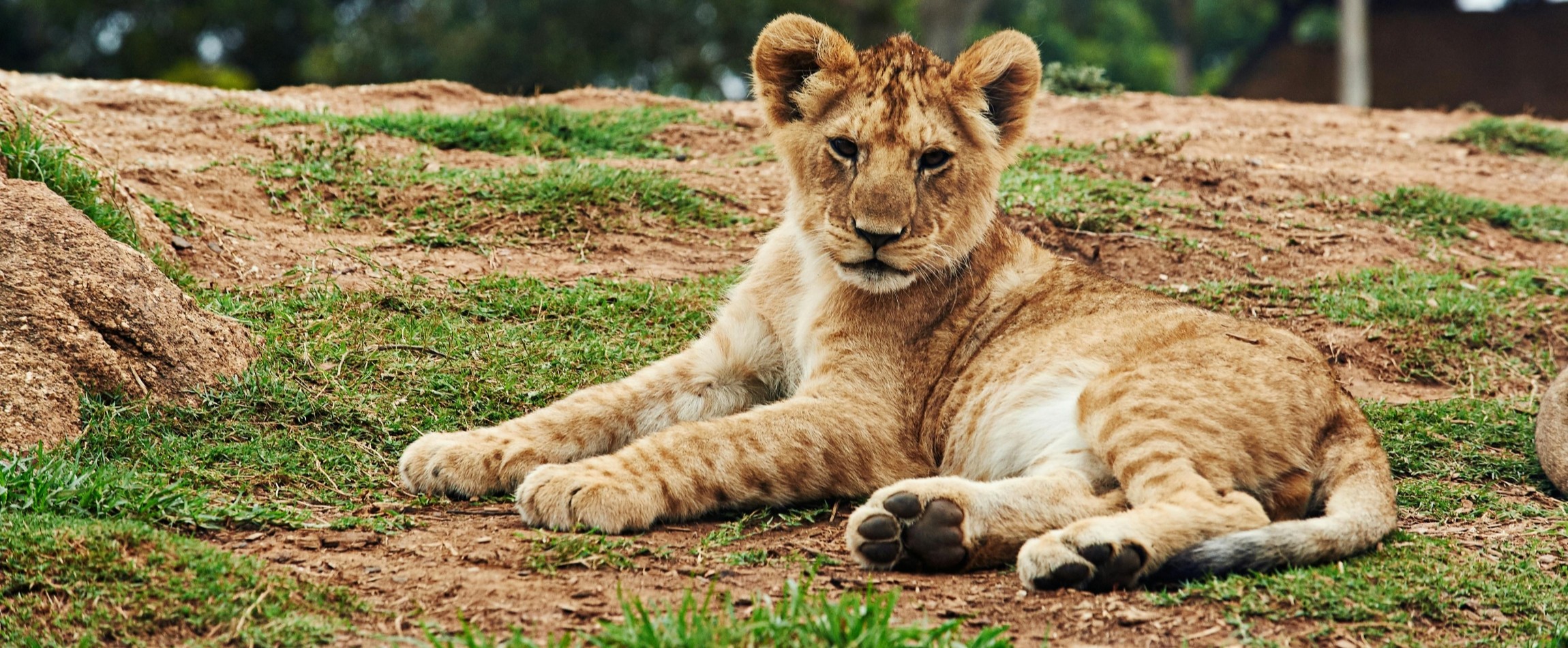
However, interactive zoo experiences are not without controversy. Apart from the animal welfare risks, there are concerns over what happens to animals who are no longer considered suitable for these experiences. In South Africa, for instance, lion cubs too old for interactions may end up being used for canned hunts or the bone trade. Therefore, this study aimed to understand the perceptions, motivations, and expectations of visitors when interacting with lion cubs at a South African zoo. Researchers explored how the controversy affected visitors’ decisions to interact with the cubs, and whether their attitudes and beliefs changed as a result of the experience.
The researchers carried out the study in three South African facilities. At two of the facilities, interactions were typically restricted to petting the cubs’ head and back, while the third facility allowed visitors to freely interact with the cubs. After the interaction, visitors were invited to complete a questionnaire, which was administered in person by one of two interviewers. The researchers asked mostly open-ended questions regarding the interactive experience with the animals. The responses were then analyzed for themes.
Of the 300 visitors interviewed, most were between 31 and 50 years of age (61%), came from Africa (63%), and lived in suburban areas (72%). Slightly more respondents identified as female (55%) than male (45%). Roughly half (49%) were accompanied by children.
Over a third (38%) of respondents were aware of the controversies around lion cub interactions. Yet, they still participated, driven by their personal desire for the experience or perceived legitimacy of the facility. While 74% of respondents said they would have visited the facility even without being able to interact with the cubs, 88% said they would engage with them again.
While most (84%) respondents said their expectations had been met, emotional and educational impacts varied. Over a third (39%) felt personally affected by the experience, and 58% viewed the interaction as educational, either through the information provided by the guides or via the experience itself. Under a quarter (21%) of respondents expressed a desire to support conservation more as a result of interacting with the cubs, and 9% said the experience allowed for reflection.
The presence and attitude of children significantly influenced participation, with most (69%) respondents with children choosing to come and interact with the cubs because of their child. Over half (57%) of the children enjoyed the interaction, and respondents tended to view the experience as a chance to educate or nurture their child’s love of animals. However, some children (15%) were nervous or scared during the interaction, suggesting a less positive impact and lost educational opportunity.
Finally, when asked about the welfare of the cubs they interacted with, the respondents assessed it with mixed outcomes. Some noted adequate care, while others raised concerns about lack of freedom and unnatural behavior. Furthermore, a number of respondents actually preferred interacting with animals other than the lion cubs at the facility, including giraffes and cheetahs, because they seemed to engage voluntarily, which made the experience feel more natural and less commercial.
Overall, the authors suggest that lion cubs can act as ambassadors, facilitating conservation efforts by raising awareness of the species’ plight in the wild. They argue that engaging with the cubs not only provides an opportunity for reflection, but also gives visitors a chance to reevaluate their values — seeing the animals as more than just a means of entertainment. However, this outcome is more likely only when people’s expectations are met, the experience is a positive one, and the animals have good welfare.
Thus, while successful human-wild animal interactions have the potential to increase awareness and pro-conservation attitudes among zoo visitors, this should be carefully weighed against the welfare of the animals involved in these experiences.
https://doi.org/10.1017/awf.2024.63

Citations:
Wilson, A., & Phillips, C. J. C. (2024). Tourist perceptions, motivations and expectations when interacting with African lion (Panthera leo) cubs. Animal Welfare, 33, e61. https://doi.org/10.1017/awf.2024.63