Left To Suffer: Welfare Failures In Australia’s Slaughterhouses


With numerous remote farms, Australia transports animals for some of the longest distances in the world. Many of these animals are destined for export slaughterhouses, which process meat for international trade. Because they’re subject to federal oversight, a government-appointed veterinarian must be present at these facilities to ensure the animals are healthy enough for slaughter and the meat is safe for human consumption. When these experts detect a welfare problem, they file an Animal Welfare Incident Report.
For this study, researchers examined a total of 567 incident reports from 2020 and 2021, along with official transport documents, to determine the most common welfare conditions reported at Australian export slaughterhouses, how long it takes to detect these issues, and what actions staff take to help the animals.
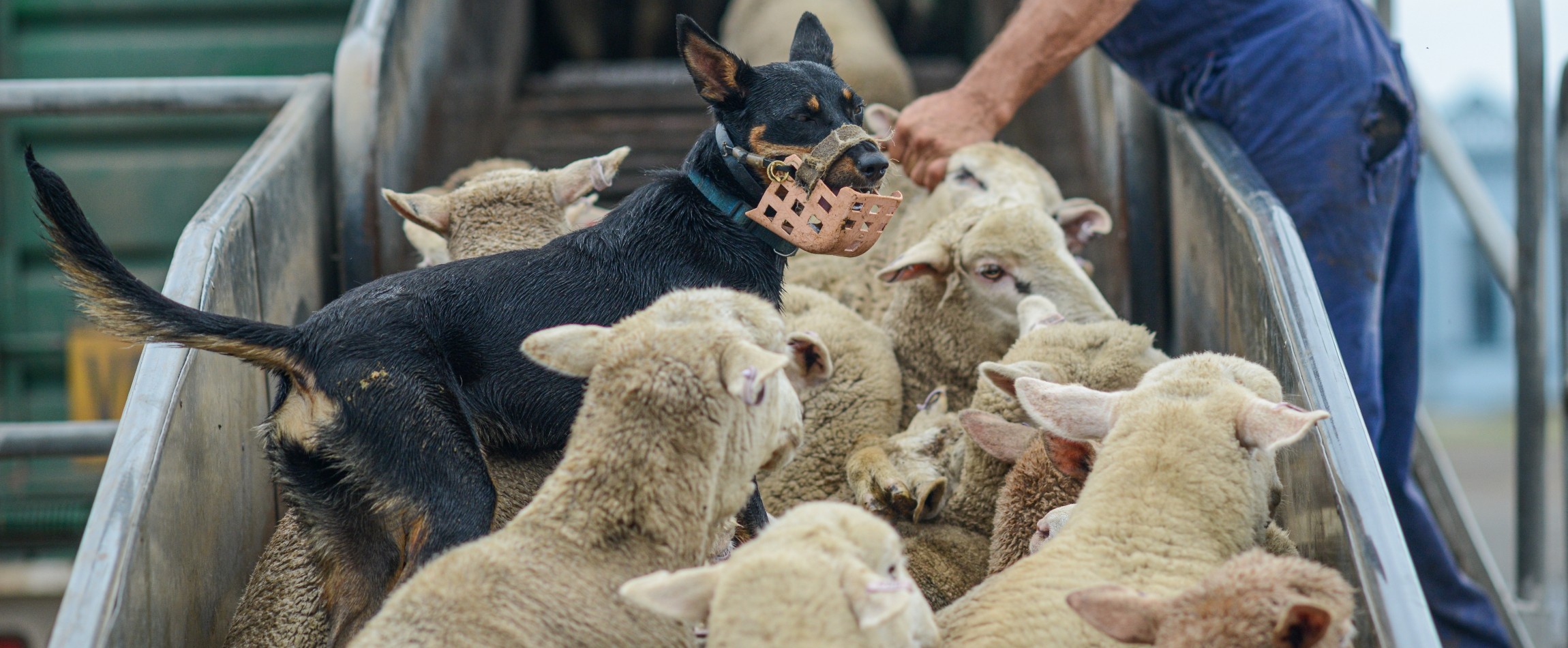
The team found that pigs were proportionately the most likely to be involved in a welfare incident (11.5%), followed by cows (5%), horses (4%), and sheep (3.5%). Across all species, the most frequent welfare problem was handling issues, which accounted for 30% of all incidents. These issues were often caused by drivers or the use of unmuzzled dogs to move animals, and included bruising and bite injuries. For pigs, handling problems were especially prevalent, making up 66% of their total reports.
Other major welfare concerns identified in the reports included:
- Pregnancy and birthing: This affected 21% of animals in the reports, with sheep being the most common victims. The fact that these animals were even transported at all suggests that “fit to load” requirements were ignored, putting highly vulnerable individuals through a stressful journey.
- Lameness: Around 16% of the animals were reported as lame. Prevalence was highest for sheep and horses. The researchers suspect this is an underestimate because lameness can be difficult to identify, even for farmers. The physical strain of balancing on a moving vehicle for hours on end can worsen these conditions, as animals often have no choice but to stand for the duration of the trip.
- Severe distress: Pigs and horses were the species most likely to be recorded as severely stressed or distressed. While these animals may be prioritized for slaughter to end their suffering, their reactions highlight the intense psychological toll of the transport and receiving process.
A considerable number of the reported welfare problems were chronic conditions like abscesses, cancers, and ingrown horns. These are long-term issues that could, and should, have been detected on the farm before the animal was ever loaded for transport.
Furthermore, the study highlighted a troubling delay in care once animals arrived at the slaughterhouse. It took a median of almost 11 hours for staff to detect a welfare problem after an animal was delivered. These delays often occurred because animals arrived late in the day and weren’t inspected until the following morning. During these hours, sick or injured animals continued to suffer without assistance. Once a problem was finally detected, staff generally took action — such as emergency killing — within one hour. In the longest cases, however, it took them close to 24 hours to detect issues and a further 24 hours to take action. Emergency killing was the most common response to serious incidents; this action was taken with 60% of animals in the reports.
More than 3% of the animals died during transport or shortly after reaching the facility, with this occurring more often for sheep than for other species. In some cases, it took a median of 14 hours for staff to detect that animals had died, again suggesting that significant suffering is going unnoticed.
The researchers note that the study only covered a two-year period, which is relatively short. Additionally, there were very few reports for horses (only seven), making it difficult to draw broad conclusions about their welfare in this industry. Finally, they acknowledge that inspections in very large groups of animals might not be as rigorous, potentially leading to the underreporting of welfare issues.
For animal advocates, this research provides several clear targets for improving the lives of farmed animals in Australia and elsewhere around the time of slaughter:
- Enforce “fit to load” requirements: Many animals arrive at slaughterhouses with chronic conditions that should have prevented their transport in the first place. Advocates can push for stricter on-farm inspections and penalties for those who transport unfit animals.
- Demand 24/7 monitoring: Animals shouldn’t have to wait 11 hours for help. Advocates can call for slaughterhouses to have staff or systems in place to monitor and treat animals immediately upon arrival, regardless of the time of day.
- Support better driver training: Since handling by humans is a leading cause of distress, especially for pigs, advocates should push for mandatory welfare training and improved accreditation for transport drivers.
- Remove financial incentives: Slaughterhouses shouldn’t pay for unfit animals, as this incentivizes farmers to transport compromised individuals rather than providing them with on-farm care or emergency slaughter. Advocates can ask that transport payments be based on the condition of animals at delivery instead.
This summary was drafted by a large language model (LLM) and closely edited by our Research Library Manager for clarity and accuracy. As per our AI policy, Faunalytics only uses LLMs to summarize very long reports (50+ pages) that are not appropriate to assign to volunteers, as well as studies that contain graphic descriptions of animal cruelty or animal industries. We remain committed to bringing you reliable data, which is why any AI-generated work will always be reviewed by a human.
https://doi.org/10.1002/vro2.70009

Citations:
Carnovale, F., Arney, D. R., Lowe, D., & Phillips, C. J. C. (2025). Animal welfare incidents during and after transport to Australian export slaughterhouses: An evaluation of government reports (2020–2021). Veterinary Record Open, 12(1), e70009. https://doi.org/10.1002/vro2.70009