
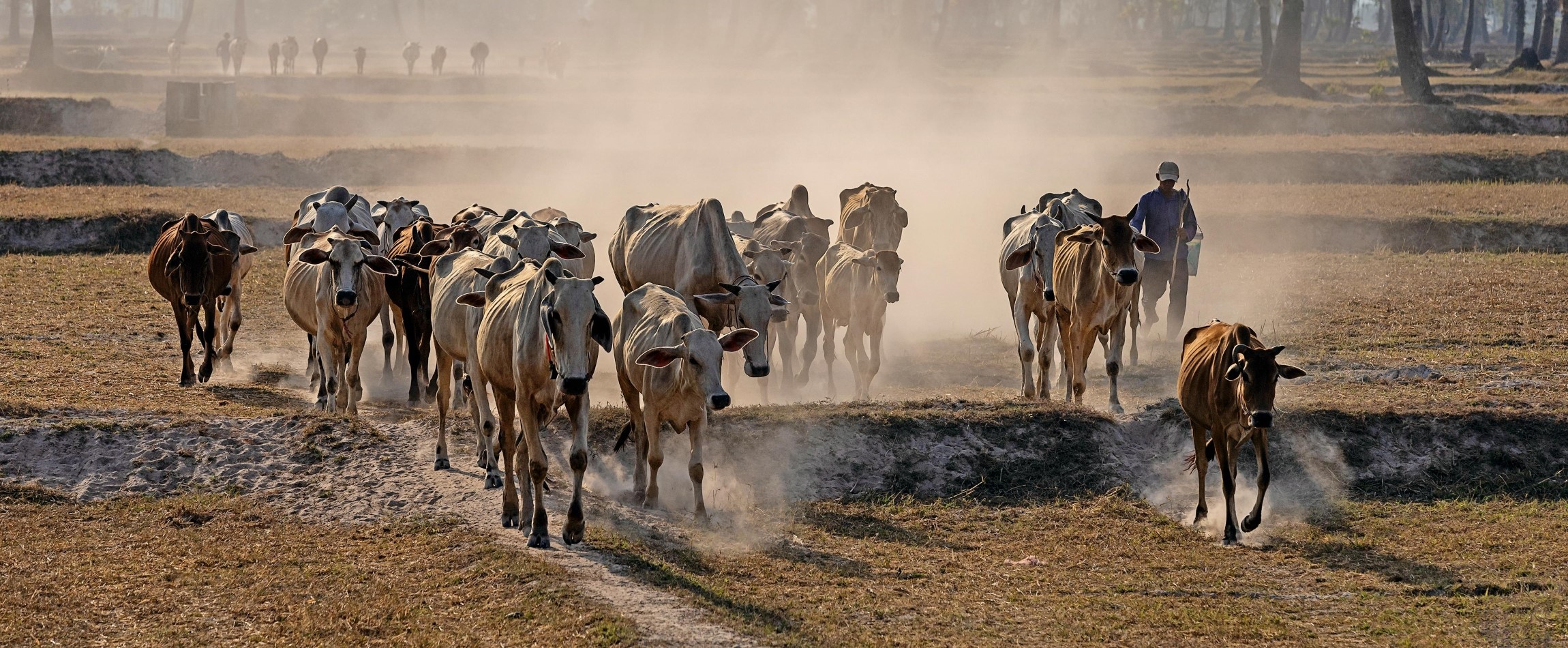
Asian Farmed Animal Advocacy Organizations Are Critical Yet Under-Resourced


Asia is a crucial but overlooked region in the global pursuit for more ethical food systems. While home to more humans and farmed animals than any other continent, Asia receives a level of philanthropic investment that’s far from enough to spark lasting change. Given that organizations for farmed animal and diet change advocacy (FAADCA) have made some progress in Western countries, similar strategies deployed in Asia could create significant, cost-effective change due to the scale of the issue there and the difference in purchasing power between Western grantmakers and local non-governmental organizations (NGOs).
Currently, animal advocacy in Asia is a joint effort between several groups, including Asian NGOs, international NGOs, alternative protein companies, and more. Although these groups are all vital contributors to the FAADCA sector in Asia, this report focuses on Asian NGOs specifically. These organizations have the ability to form trusted relationships and produce community-level change, but they tend to be the most under-resourced in terms of support from Western grantmakers.
To study the challenges facing this critical group, the report’s authors conducted a literature review, analyzed a database of 104 organizations operating in Asia and a database of 332 grants made by 14 funding organizations, and surveyed 29 Asian NGOs directly. This work revealed some key needs and challenges faced by NGOs in the region.
Funding Remains The Largest Barrier
Most (about 80%) of the Asian NGOs surveyed said that funding was their greatest need. Governmental pushback and low public awareness in many Asian regions mean that Asian NGOs are heavily reliant on Western philanthropic organizations for funding. Despite the scale of the issue and Western interest in supporting the region, only about 8% of funds are allocated to Asia. Considering that many countries in Asia have a lower cost-of-living than the countries from which donations are given, this represents a huge missed opportunity, as these investments could have a greater impact for the same cost.
One way to open up additional funds for the region is to reconsider the grant application process. The authors note that many Asian NGOs don’t have the time or personnel to work through cumbersome applications or complicated reporting requirements. Western grantmakers may wish to consider a more streamlined application process for these organizations to relieve the disproportionate burden on their already scant resources.
Capacity Is A Key Challenge
Another significant challenge for Asian NGOs is capacity. The authors estimate that only about 255 full-time advocates are employed across the entire region (not including employees in administrative or similar support positions). Furthermore, for around 60% of these organizations, FAADCA is not their sole focus. In order for Asian NGOs to achieve their maximum impact, they need greater numbers of dedicated FAADCA professionals.
Expanding capacity for Asian NGOs requires a multifaceted approach. As an immediate solution, international NGOs doing work in Asia could increase the amount of personnel they allocate to the region. However, as the authors emphasize, Asian NGOs’ efficacy largely stems from community trust and cultural understanding, meaning that Asia-based organizations should receive more capacity-building support for attracting local talent.
Asian NGOs Face Limitations In Approach
Asian NGOs have great potential to encourage consumer adoption of plant-based diets, yet they face significant challenges. In many regions of Asia, advocates are less able to criticize or appeal to governments and corporations than their Western counterparts. As such, most Asian NGOs (about 90%) surveyed in the report planned to prioritize public engagement.
To appeal more directly to institutions, the authors suggest that Asian FAADCA organizations might benefit from partnering with NGOs in related sectors, such as public health or climate change. Working with larger organizations towards common goals could allow small FAADCA NGOs to achieve broader influence without putting too much strain on their own limited resources. Governments and corporations in Asia may also be more receptive to a holistic message by a unified coalition.
Significant Challenges, Immense Impact
For farmed animal advocates, Asia represents a region of incredible untapped potential. Despite the immense need and interest in the region, Asian NGOs find themselves spread thin with too few resources to achieve their goals. With increased funding and capacity-building support, Asian NGOs could be an effective catalyst for lasting diet change. Western FAADCA grantmakers may want to consider refocusing their efforts in the region, so that these highly impactful organizations can better access the resources they need to grow.

Citations:
Asia for Animals Coalition. (2024). The capacity and funding landscape of the Asian farm animal protection movement. https://drive.google.com/file/d/1-FDUfqGjpZ_vIrpAkZxFnA0-Q-2WXvKH/view


