Animals In Medicine And Science


This multi-phased study evaluated U.K. adults’ attitudes toward the use of “animals in medicine and science.” In both phases of research, respondents associated animal experimentation with cruelty, although they expressed some ambivalence regarding the use of animal experimentation for medical purposes.
This multi-phased survey used the phrase “animals in medicine and science” to introduce the topic of animal experimentation. In focus groups, participants related the term “animal experimentation” to “cruelty,” which preceded any mention of possible resulting benefits. The subsequent quantitative portion confirmed this, as one-third spontaneously related “animal suffering or cruelty,” while 12% related “medical research” and 5% mentioned cures for cancer or AIDS.
Most focus group participants support animal experimentation for “medical purposes” but consider it a “necessary evil” or “conundrum.” Twice as many participants (56%) disagreed that they “trust the scientists not to cause unnecessary suffering to the animals being experimented on,” as those who agreed (29%).
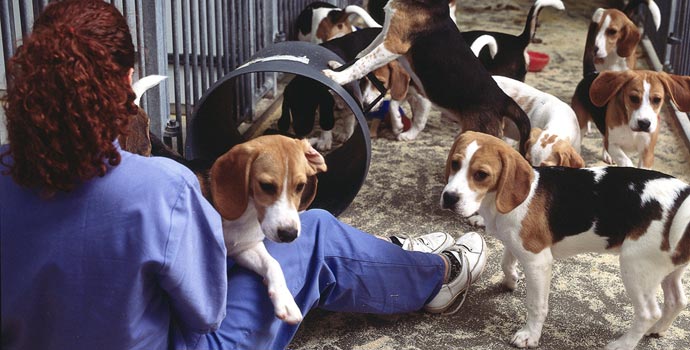
When asked to interpret “cruelty,” people used phrases such as “chimpanzees,” “squirting substances into rabbits’ eyes,” and “beagles being forced to smoke.”
Spontaneous mentions of cruelty were mentioned more frequently than those related to medical advancement, though significant numbers say that animal experimentation is “always” or “sometimes” justified for research into life threatening diseases. However, support declines for the fundamentals that underpin medical research, for example, “learning how cells work.” Low levels of support for animal experimentation in cosmetics was present in both the qualitative and quantitative phases of research.

Citations:
MORI, Medical Research Council, 1999 International