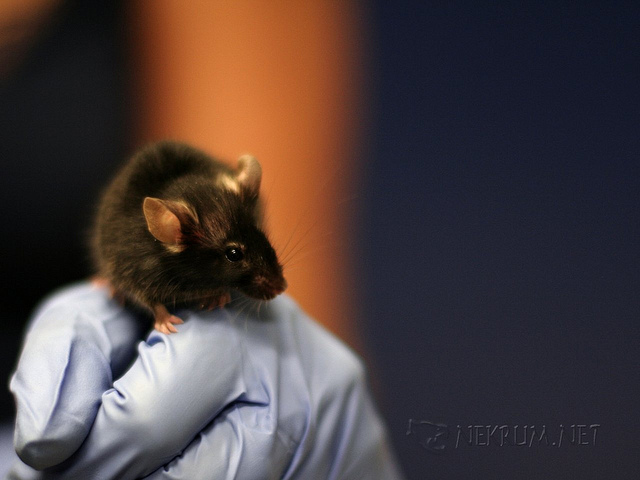
Animal Studies Paint Misleading Picture


A University of Edinburgh study finds that published animal trials tend to overestimate the likelihood that a medical treatment will work by about 30%. Researchers suggest that the main cause for this is because negative results during animal trials often go unpublished.
Based on analysis of a stroke database encompassing 525 studies including 1,359 experiments and 16 different stroke treatments, researchers found that, of about 500 treatments that had been reported as effective in animal models, only about a third of these results are reproducible later in human trials. The lack of negative results may help explain why few drugs tested on animals are effective on humans, adding to the evidence that animal modeling is not an effective predictor of success in humans.
“Publication bias” occurs when researchers report positive results from an animal trial, which are considered more interesting than negative results. Publication bias has led to the development of registries such as ClinicalTrials.gov to log trials before they begin to prevent these types of occurrences.

Citations:
University of Edinburgh, University of Edinburgh, 2010 International