
Grimace Scale Training Boosts Confidence In Spotting Animal Pain


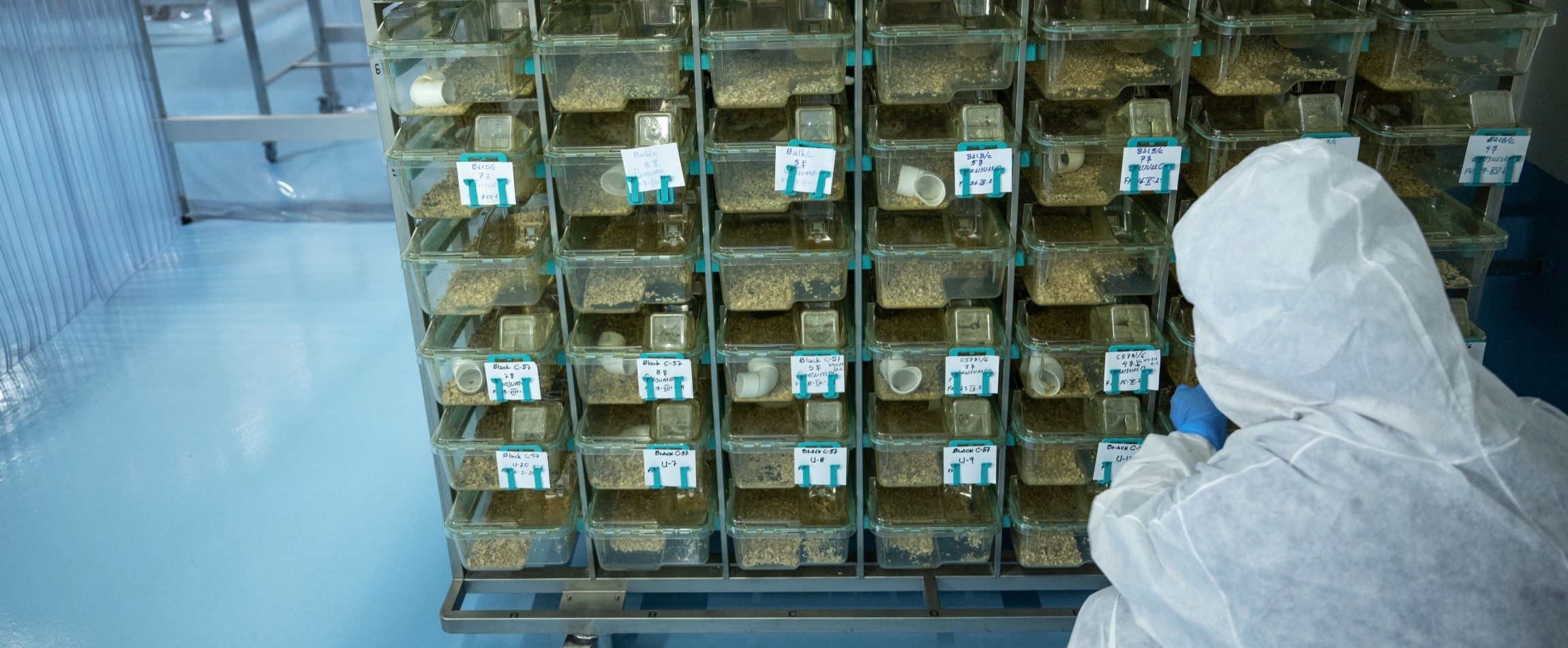
Animals are widely used in the research and teaching industry (RTI), a broad field that includes biomedical and veterinary research, as well as teaching future professionals like veterinarians. Within this industry, animal welfare relies heavily on the training that staff and researchers receive. However, in Australia, there’s no standardized program on how to care for and handle animals in scientific settings — only a general expectation that personnel will be properly trained in animal welfare practices.
What’s more, existing RTI training programs are predominantly focused on technical skills. Because research links changes in people’s attitudes and beliefs about animals to better animal welfare outcomes, it’s expected that adding attitudinal training to the usual technical curriculum will lead to better decision-making in favor of animal welfare. While there are some international, commercially available training programs that do just this, these are mainly found in the animal agriculture industry.
Given this gap, this study aimed to compare a standard technical RTI training program to an enhanced one that targeted attitudes in addition to knowledge. Both programs focused on grimace scales. These scales have been developed for a number of species, including mice, rats, rabbits, sheep, and pigs, and help users identify pain based on ear position and facial expression. As identifying and alleviating pain in research animals is an important welfare practice, improving this skill is essential, and while grimace scales are already validated and considered quick to learn, little research has explored how best to train people to use them.
The research team recruited a total of 232 adults working in the RTI in Australia and New Zealand within the two years prior to the study. The majority of participants were animal care staff (52%), researchers (25%), or graduate students (9%). Half received the standard technical training and served as the control group. The other half was given the enhanced training, which covered the content in more detail and addressed attitudes as well as technical skills. All training sessions took place in person, and both groups completed pre- and post-training questionnaires assessing their knowledge and attitudes towards animal welfare.
Before The Training
While most participants were trained in animal welfare monitoring (81%) and assessment (71%), most weren’t trained in grimace scales specifically (74%). The majority had heard of grimace scales (82%), but almost two-thirds (65%) said they weren’t confident using them. Participants believed the average person in the industry could identify welfare problems (70%) and pain (64%), though around 80% felt performance in both these areas could still improve.
Most participants (93.5%) had heard of the 3Rs, the principles of replacement, reduction, and refinement in scientific research. Fewer had heard of the Five Freedoms (60%) and the Five Domains (40%), two significant animal welfare frameworks.
After The Training
At the end of the session, participants in both groups were about twice as likely to feel confident in identifying animal welfare issues and using grimace scales, and around 1.6 times as likely to recheck or provide pain relief to animals they were unsure about. There was no statistically significant change in their knowledge around the Five Freedoms or the Five Domains.
Compared to the control group, those in the enhanced training group were over three times as likely to agree that they’d received formal grimace scale training, suggesting they saw greater value and benefit from their program.
There are a few limitations to note. Participants volunteered to attend the training sessions, so people who were interested in animal welfare may be overrepresented. This could’ve caused a “ceiling effect” where participants already considered pain management important (as evidenced by the 99% agreement with this question in the pre-training responses), leaving less room for improvement. The study also relied on self-reported measures rather than assessing participants’ ability to use grimace scales in their daily work. After their session, around a third (36%) of participants still said they hadn’t received “formal” training in grimace scales. This could be because they didn’t take a test or receive a certificate, or because they understood the term differently. Finally, participants worked with a small number of species, mainly rodents, sheep, rabbits, and/or guinea pigs. However, the authors note that this is likely representative of the RTI in both countries.
Despite these limitations, the study suggests that incorporating grimace scale content in RTI training programs has the potential to improve animal welfare by increasing participants’ confidence in recognizing pain and willingness to offer pain relief. More in-depth training that also focuses on attitudes seems to be even more valued by participants. With this in mind, animal advocates can and should demand that RTI workers receive enhanced training on grimace scales and other animal welfare indicators. Training on modern animal welfare frameworks such as the Five Domains is also warranted, particularly as it promotes positive experiences in animals compared to the Five Freedoms’ focus on minimizing suffering. However, in Australia specifically, one of the biggest barriers to overcome is the legislative disparities across states and territories that might complicate the creation and implementation of a national animal care program.
https://doi.org/10.1017/awf.2026.10064

Citations:
Cohen, S., Lomax, S., Hemsworth, L., Tripovich, J. S., Slavich, E., Brandis, K. J., & Becker, J. A. (2026). Comparing training methods to promote better animal welfare outcomes for animals in the research and teaching industry. Animal Welfare, 35, e13. https://doi.org/10.1017/awf.2026.10064
