Bred To Suffer: Ending Extreme Breeding In Companion Animals


Flat faces, short legs, folded ears, skin wrinkles, and hairless bodies are often seen as appealing in companion animals. But these looks are frequently the product of intentional breeding for exaggerated physical traits, known as extreme conformation. Veterinary and animal charity groups widely recognize this as a priority welfare issue, yet the problem persists. Dogs and cats are most commonly affected, but rabbits, fishes, horses, reptiles, rodents, and birds are also bred for extreme features.
In this report, the Royal Society for the Prevention of Cruelty to Animals (RSPCA) lays out a strategy to end this harmful breeding. It defines the roles of six key groups in driving change, outlines the RSPCA’s own commitments, and issues a call to action. As a strategy document rather than an original study, its evidence draws mainly on published research and RSPCA records.
A Problem Across Many Species
The report sorts harmful traits into 11 categories, ranging from skull and eye abnormalities to dwarfism and excessive muscle. These traits exist on a spectrum, so not every animal of an affected breed will have severe problems.
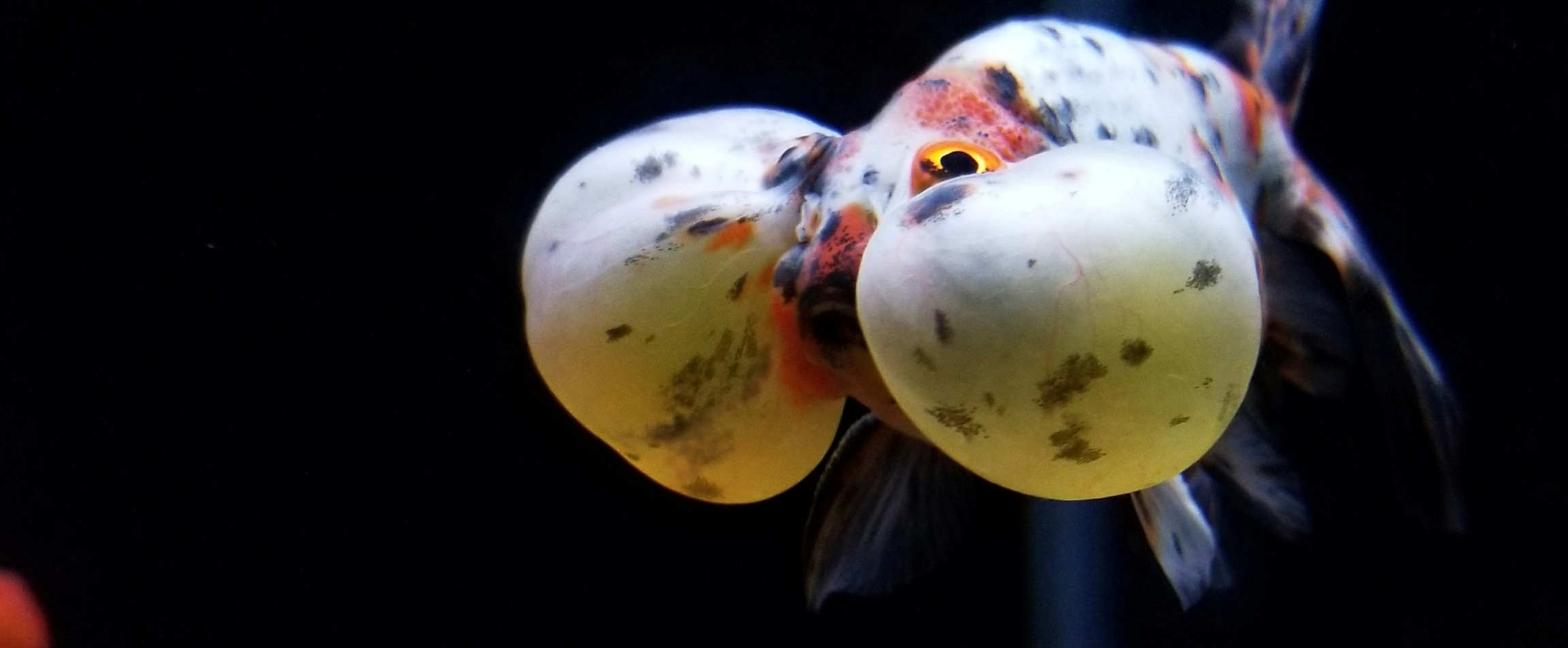
Research cited in the report links many of these traits to serious health problems. Flat-faced dogs and cats can struggle to breathe in a way that may feel like suffocation. In some dachshund varieties, as many as one in four dogs are affected by a spinal disc disease that can cause significant pain and paralysis. More than 80% of geckos bred with the “lemon frost” color pattern have skin cancers. Bubble eye goldfish, bred with large, fluid-filled sacs beneath their eyes, are partially blind. They also lack a back fin, which makes it harder to swim and stay upright.
Millions Of Animals Affected
Estimates suggest that 18 million dogs, 22 million cats, and four million small companion mammals in Europe belong to affected breeds. In the U.K., more than 20% of dogs belong to breeds with at least one extreme feature. Because these figures leave out crossbred animals and mixed breeds, the authors believe the true scale is likely far larger.
RSPCA records also show more of these breeds coming into care. Between 2016 and 2025, the number of French bulldog types entering RSPCA care rose by 3,800%, while pug types rose by 192%. Intake of British shorthair and Persian cat types rose by 200% and 180%, respectively. All four breeds commonly have flat faces and protruding eyes.
Harms To Animals And People
The authors argue that extreme conformation also harms animals’ emotional well-being and natural behavior. Affected animals may experience ongoing pain, fear, distress, and frustration. They may be unable to play, exercise, sleep, or eat normally, or to mate and give birth naturally. The authors link this to a growing tendency to treat companion animals as products or status symbols rather than sentient beings.
People are affected, too. Animals with extreme traits are likely to cost much more to buy and to treat. One case study describes Poppy, an English bulldog who came into RSPCA care at three years old. Her breathing and eye surgeries cost about £3,000, but she was euthanized because of her poor recovery and prognosis. There’s also an emotional toll in caring for an animal who struggles to breathe or play, and who may die young or need challenging end-of-life decisions.
Veterinarians and other animal health and welfare practitioners can experience serious distress from witnessing this preventable suffering. This can ultimately contribute to burnout and people leaving the profession.
In the RSPCA’s 2026 Animal Kindness Index, an annual national survey, 79% of U.K. respondents opposed breeding that produces exaggerated physical features. In the 2025 edition, only 5% said it was acceptable to breed animals with genetic health problems.
Six Groups, One Shared Goal
The report identifies six groups who influence whether animals are bred with extreme traits. These include:
- Guardians
- Suppliers (e.g., breeders, importers)
- Service providers (e.g., veterinarians, trainers)
- Advisors (e.g., charities, academics)
- General public
- Policymakers and enforcers (e.g., local government, police)
The authors lay out strategic goals for each group, from reducing demand for animals with these features to preventing their suffering through effective legislation and enforcement. They also outline how the groups can collaborate to support each goal.
Prospective guardians can choose healthy mixed-breed and rescued animals, and anyone can avoid liking or sharing social media posts that glamorize animals with extreme traits. Breeders can breed for moderate features and produce fewer litters. Veterinarians can have honest conversations with clients about quality of life, making clear that surgery isn’t a quick fix. The report also calls for messaging that avoids demonizing or unfairly judging guardians, as their animals may have been rescued or rehomed, or they may not have known about the harms.
The plan rests on building evidence, identifying alternatives to current practices, and delivering education. These steps aim to raise awareness and strengthen legal protection, reducing both demand and supply. The ultimate ambition is to end harmful breeding and selling of companion animals in England and Wales.
Limitations
As a strategy document, the report doesn’t test whether its proposed actions will work. The RSPCA intake figures come from unpublished internal records, and the report doesn’t say whether rising intake reflects these breeds’ growing popularity. Survey results are presented without details on survey methods. The authors also acknowledge that suffering is less well documented in species other than dogs and cats.
A Clear Call For Advocacy
The report makes a clear case that extreme conformation is a human-driven, and therefore preventable, problem.
- Tone matters. The RSPCA’s emphasis on non-judgmental messaging suggests advocates may get further by treating current guardians as allies, not targets.
- Advocacy shouldn’t stop at dogs and cats. Rabbits, fishes, reptiles, rodents, birds, and horses are also bred for harmful traits, yet their suffering is less studied and less often recognized. Advocates can push for research on these species and include them in outreach.
- Breeding for looks is linked to a wider view of animals as commodities. The authors note that this view is also at work in the use of animals in entertainment, cruel sports, and intensive farming. They see this overlap as a chance for consistent messaging across the animal welfare sector. In total, 48% of 2025 survey respondents agreed that humans should never use animals in ways that harm them, for any reason.
- Awareness alone isn’t enough. The strategy pairs education with stronger laws and enforcement, and advocates can support both.
The animals bred into these bodies have no say. It’s up to people to change the practices that cause their suffering.
This summary was drafted by a large language model (LLM) and closely edited by our Research Library Manager for clarity and accuracy. As per our AI policy, Faunalytics only uses LLMs to summarize very long reports (~50+ pages) that are not appropriate to assign to volunteers, studies that contain graphic descriptions of animal cruelty or animal industries, and research on niche topics. We remain committed to bringing you reliable data, which is why any AI-generated work will always be reviewed by a human.
https://www.rspca.org.uk/documents/d/rspca/ec-report

Citations:
Brown, A. F., Bennett, L. K., Potter, A., & Gaines, S. (2026). The shape of suffering. Royal Society for the Prevention of Cruelty to Animals. https://www.rspca.org.uk/documents/d/rspca/ec-report