
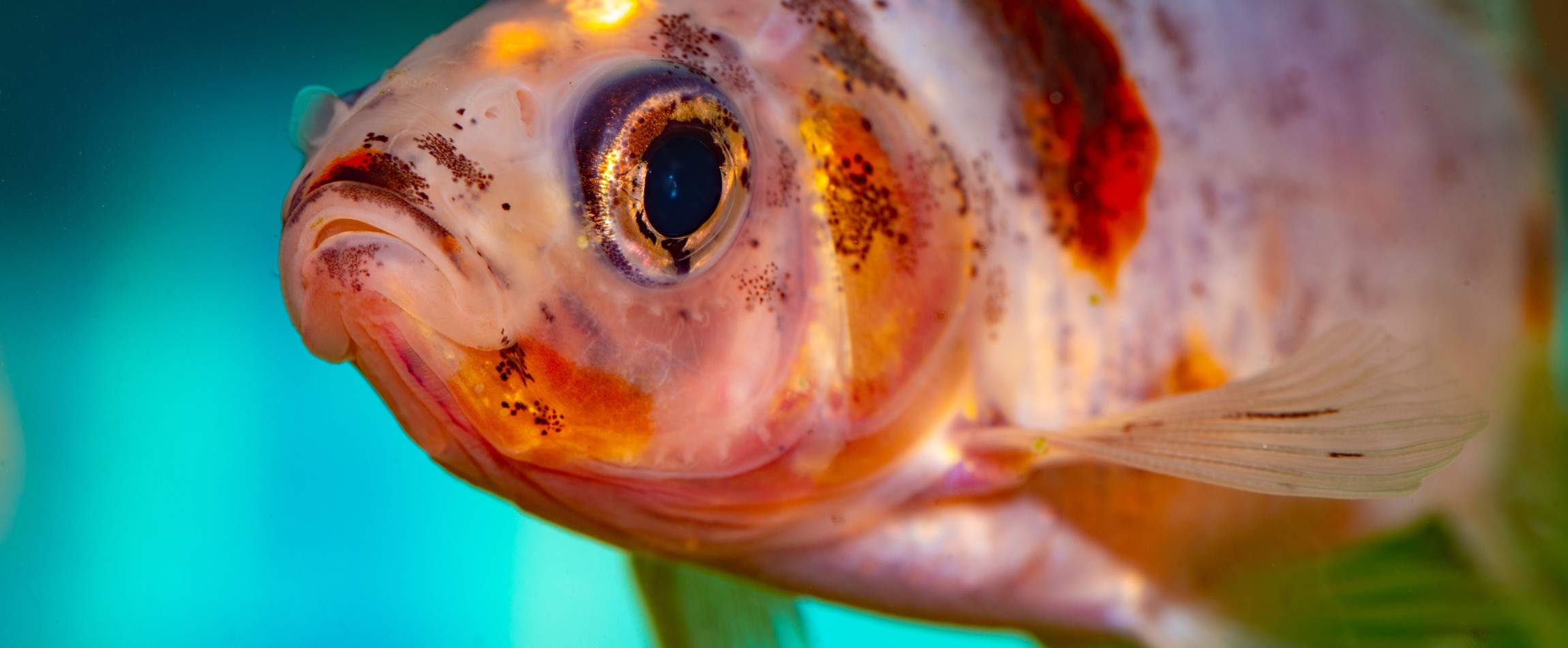
Not All Companion Animals Are Seen As Equal


In the U.K., around 60% of households share their lives with at least one pet, demonstrating the long-standing relationship humans have with companion animals. However, not all of these animals are cared for in the same way, meaning that some may suffer more than others.
Human perceptions of other species’ cognitive abilities are just one factor that influences how companion animals are cared for. Species that aren’t considered cognitively complex are often assumed to be incapable of suffering or forming relationships with humans, while those seen as sentient tend to be granted a higher welfare status.
This highlights an important gap between what people believe and what the scientific evidence says about animals’ capacities. The 2024 New York Declaration on Animal Consciousness, for instance, supports the idea that all vertebrates and many invertebrates have subjective experiences, including sensory experiences like tasting and smelling and emotional experiences such as pleasure and pain. Yet the public continues to assign sentience and cognitive abilities according to the “phylogenetic scale.” This refers to our tendency as humans to empathize with and relate to animals who are evolutionarily closer to us. People usually have more positive attitudes toward animals who are more phylogenetically similar, raising concerns for the welfare of those lower down on the scale.
Given these concerns, this study aimed to investigate the public’s perception of the cognitive abilities of a range of companion animals. Researchers distributed an online questionnaire via social media between November and December 2020. It was available in both English and Italian, and consisted of 30 questions across five sections. The first two sections collected demographic data, while sections three and four explored participants’ perceptions of reptile cognitive capabilities and welfare needs. The last section asked participants to rate their perceptions of different companion animals in terms of memory, learning, intelligence, attachment to their guardians, and capacity for suffering. These animals included:
- Mammals: cat, dog, guinea pig, rabbit
- Birds: canary, chicken, parrot
- Reptiles: lizard, snake, tortoise
- Amphibians: frog
- Fishes: goldfish, koi carp
- Arthropods: African giant snail, stick insect, tarantula
Of 1,135 people who began the survey, 734 submitted complete responses, which were the only ones analyzed.
Not surprisingly, mammals were rated highest in all abilities, followed by birds, reptiles, amphibians, fishes, and arthropods. This is consistent with the phylogenetic scale, with participants perceiving mammals as the most cognitively and emotionally sophisticated because of their similarity to humans. Notably, no statistically significant difference in scores was found between fishes and amphibians on the questions of learning, attachment, and suffering. This suggests that aquatic animals kept as pets may face a particular disadvantage, with their differences from one another going unappreciated alongside their cognitive abilities.
The study also found strong positive correlations between how cognitively capable people believed an animal to be and two other key measures: the animal’s perceived emotional attachment to their guardian and their perceived capacity to suffer. The more cognitively complex an animal was believed to be, the more strongly participants felt the animal could form a meaningful bond with the person caring for them. For animals like reptiles, amphibians, fishes, and arthropods, whose cognitive complexity tends to be underestimated, this dynamic may discourage guardians from investing in their relationship with their companion animal, with consequences for the animal’s care and well-being. Similarly, the more intelligent an animal was believed to be, the more participants believed they could suffer, indicating that for some species, suffering is also underestimated, even in the face of scientific evidence to the contrary.
When the researchers looked within each animal class at which dimensions participants rated most and least generously, suffering consistently scored highest across all classes, followed by intelligence, memory, learning, and attachment. In other words, people were more willing to grant any companion animal the capacity to suffer than to believe they could form a meaningful bond with their guardian. So even for species people feel less affinity toward, an acknowledgment of suffering is still present.
Overall, the study reveals a strong anthropocentric (human-centered) bias in public perception of companion animals’ cognitive and emotional capabilities, with mammals rated highest and arthropods lowest. Despite scientific evidence of sentience across all classes, the gap between scientific understanding and public perception may contribute to differences in how companion animals are treated, with serious consequences including suboptimal housing, inadequate healthcare, and insufficient attention to behavioral and emotional well-being.
For advocates working on exotic pet issues, this research offers important insights. Public education campaigns that highlight the cognitive abilities of reptiles, amphibians, fishes, and invertebrates could influence how these animals are cared for in homes and how their welfare needs are recognized in policy. The fact that suffering was acknowledged across all classes, even for arthropods, suggests public willingness to extend moral concern further than their default assumptions might indicate. Bridging the gap between what science knows about animal cognition and what the public believes is key to improving the lives of the many companion animals who fall outside the mammal mainstream.
https://doi.org/10.1016/j.applanim.2024.106434

Citations:
Crisante, A., Burman, O. H. P., & Wilkinson, A. (2024). All is not equal: Public perception of cognitive abilities, suffering and emotional attachment in different pet species. Applied Animal Behaviour Science, 280, 106434. https://doi.org/10.1016/j.applanim.2024.106434
