International Animal Research Regulations Impact


Some conclusions of the report were that the global harmonization of regulations is increasing; greater communication with the public is necessary but should be undertaken with care; new regulations have created new challenges; alternatives to animal use were promising but not always published; and there is a need for regulations to consider the core principles of scientific value, animal welfare, and public support. It was also recommended that the validity and overall costs of animal welfare measures should be evaluated.
Report Summary:
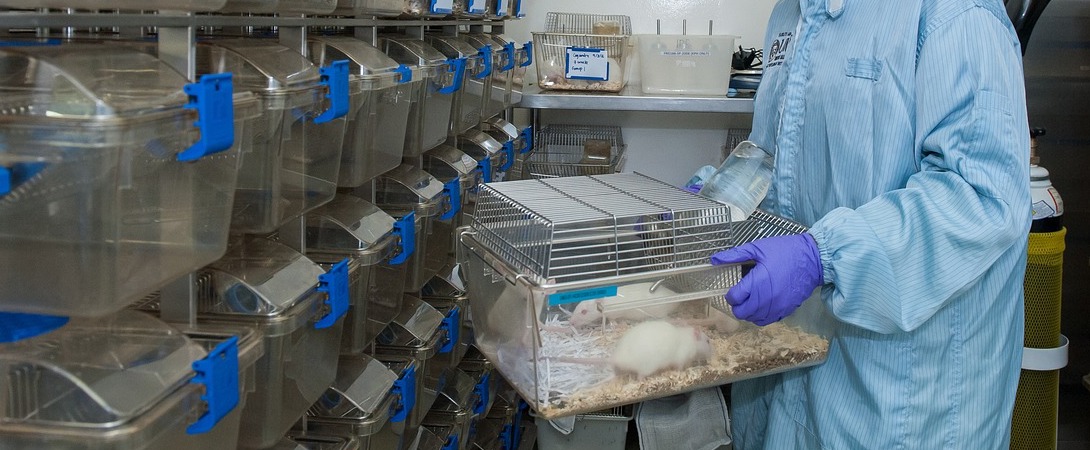
“Animals are widely used in neuroscience research to explore biological mechanisms of nervous system function, to identify the genetic basis of disease states, and to provide models of human disorders and diseases for the development of new treatments. To ensure the humane care and use of animals, numerous laws, policies, and regulations are in place governing the use of animals in research, and certain animal regulations have implications specific to neuroscience research.”
“To consider animal research regulations from a global perspective, the IOM Forum on Neuroscience and Nervous System Disorders, in collaboration with the National Research Council and the Institute for Laboratory Animal Research, held a workshop in Buckinghamshire, UK, July 26-27, 2011. The workshop brought together neuroscientists, legal scholars, administrators, and other key stakeholders to discuss current and emerging trends in animal regulations as they apply to the neurosciences. This document summarizes the workshop.”
Table of Contents:
- Introduction and Overview
- The Evolving Regulatory Environment
- Emerging Legal Trends Impacting Animal Research
- Animals in Neuroscience Research
- Advancing the 3rs in Neuroscience Research
- Public Engagement and Animal-Research Regulations
- Core Principles for the Care and Use of Animals in Research
- Summary of Workshop Themes

Citations:
Diana E. Pankevich, Theresa M. Wizemann, Anne-Marie Mazza, and Bruce M. Altevogt, Institute for Laboratory Animal Research, Institute of Medicine, National Research Council & Others, 2012 International