Are Researchers Considering The Effects Of Camera Traps On Wild Animals?


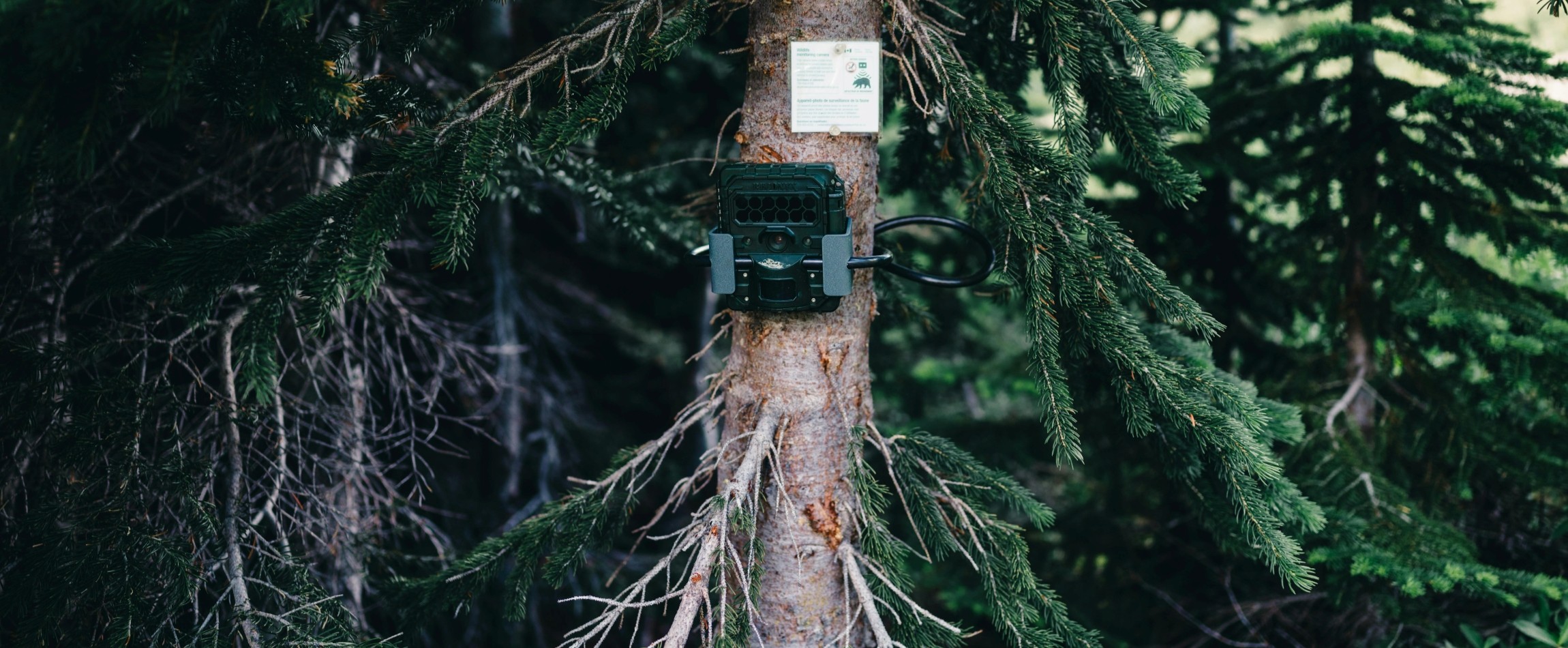
As a relatively new technology when it comes to wild animal research, camera traps have received more and more attention over the last 20 years. Their benefits are clear: they can automatically capture images without a researcher needing to be physically present. The technology is used to gain insights into wild animal diversity, population size, and behavior.
However, despite their growing popularity, not much attention has been paid to the consequences of using camera traps. While they’re generally seen as “non-invasive,” some evidence shows that the light and sound from the cameras and the human odor associated with them influence animal behavior. This has implications for the well-being of the animals being studied as well as the validity of the research itself. Thus, it’s vital to understand the impacts of camera traps — and whether the researchers who use them are aware of the risks.
This study looked at how the use of cameras to monitor wild animals has been described in the scientific literature, including any discussions of their potential impact on wild animal welfare and research results.
The authors conducted a rapid systematic literature review using a single major scientific search engine. They focused on articles published between January 2019 and June 2023 where camera traps were the primary method of studying wild animals in their natural habitat. They excluded studies that involved captive settings like zoos and wild animals who had been bred or raised in captivity. Studies where baits or lures were used were also ineligible.
The authors began by screening titles and abstracts before reading full articles to judge whether the content was relevant for further analysis. From an initial 458 articles, a total of 267 met their inclusion criteria. Studies were then grouped into different categories depending on whether they considered the effect of cameras on wild animal welfare and to what extent this effect was discussed.
Most (76%) of the studies didn’t discuss any potential impact of camera traps on wild animal welfare. Some (16.5%) mentioned the impact, but only in broad, descriptive terms. In these studies, camera traps were seen positively and often referred to as “non-invasive” or “non-intrusive,” though few provided a reference to support this claim. Camera traps were sometimes contrasted against monitoring methods viewed as more aversive, like collaring that would require capture, handling, and sedation.
Only 20 studies (7.5%) went into some detail about camera trap impacts on wild animal welfare. These discussions mainly focused on behavioral changes or responses to the cameras. Seven studies suggested the concern was minimal, as the cameras weren’t baited or only captured images during the day to minimize the effect of the flash. Again, camera traps were portrayed as a positive alternative to more stressful monitoring methods. Only four studies acknowledged that animals changed their behavior after being detected by a camera. These same studies also recognized the impact that this might have on their data.
Six of the 20 studies discussed species-specific impacts, which in one case led the researchers to switch camera types because the flash caused avoidance behavior in the species being observed. Finally, 14 of the 20 studies addressed the limitations of using camera traps and identified possible biases in this method of data collection.
There are some limitations to consider. The review relied on just one search engine and only covered a five-year period because it was conducted as part of an undergraduate course. Furthermore, the inclusion criteria were relatively strict and other camera trap studies that considered wild animal welfare might have been excluded (because they used attractants, for example). Thus, the review might not fully represent the current state of camera trap-based research.
Still, the findings highlight that much wild animal research that uses camera traps underestimates or even fails to consider their impacts. The authors argue that even if the chosen method of studying animals in the wild seems harmless, researchers should consider its effect on their welfare as it could still cause stress or behavioral changes. This in turn could impact the validity of the results, the conclusions drawn, and ultimately the conservation decisions made.
https://doi.org/10.1017/awf.2025.10014

Citations:
Nogues, E., Arends, A., & von Keyserlingk, M. A. G. (2025). Rapid systematic literature review: Camera trap sampling in ecological studies: Considerations of wildlife welfare. Animal Welfare, 34, e44. https://doi.org/10.1017/awf.2025.10014