Impact Case Study: How Faunalytics Research Helped Launch The Affordable Nutrition Coalition


Case studies are one of our most important tools for capturing our impact. By closely examining a specific use case, we can trace how a resource was found, how it was applied in practice, and what impact it had both immediately and over time. Case studies can also reveal real barriers and friction points that advocates encounter, helping us refine our resources and the kinds of support we offer.
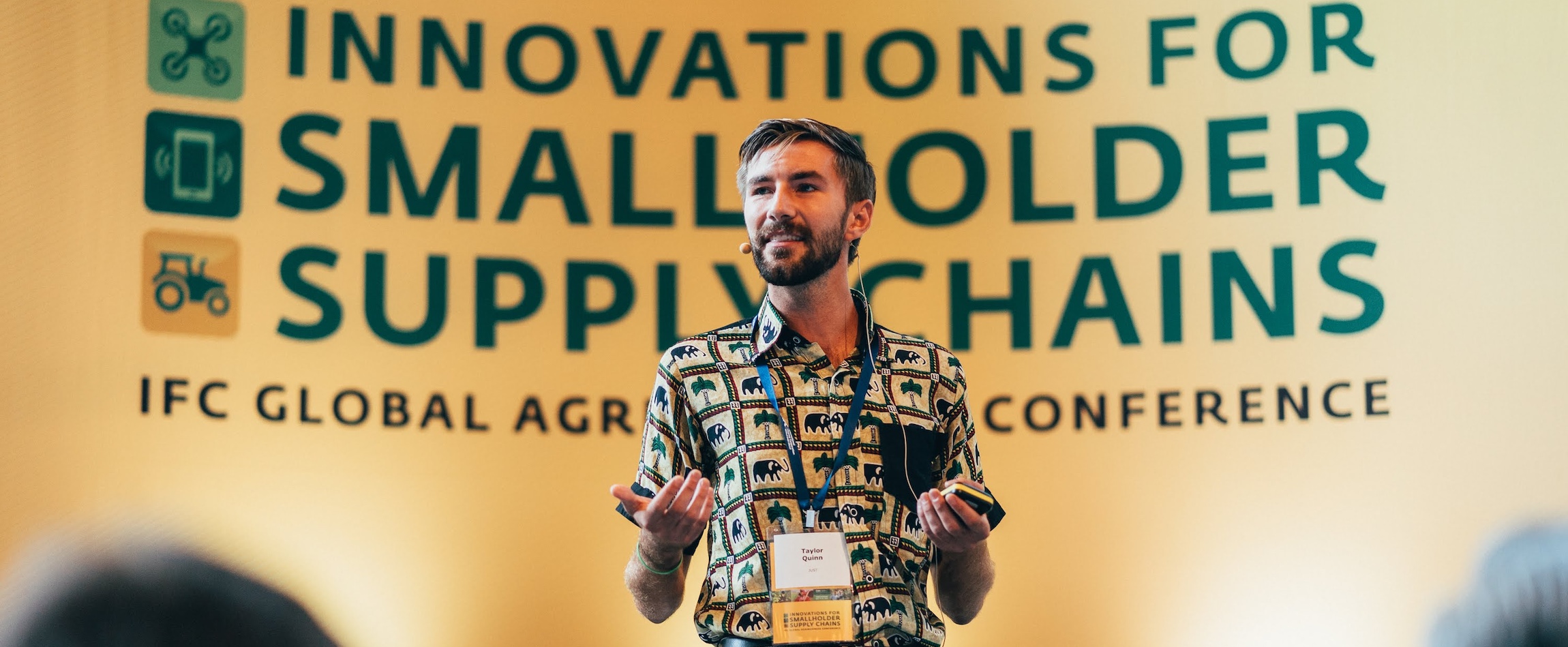
In this case study, we examine how one piece of our original research entitled Globalizing The Factory Farm: International Organizations And The Spread Of Industrial Animal Agriculture was used by Taylor Quinn of Tailored Food in his strategic decision to launch the new Affordable Nutrition Coalition. Using a structured interview, along with materials shared by Taylor, we examine how our research informed their decision-making process, helped with building external credibility, and informed key decisions about how to structure the Affordable Nutrition Coalition and its theory of change.
Tailored Food And The Gap In The Movement
Taylor Quinn is the founder and Executive Director of Tailored Food, a nonprofit organization that is based in Canada and currently operates in over 40 countries around the world, primarily in Africa. For the past ten years, Tailored Food has worked to research, develop, and scale nutritious, culturally rooted food system interventions, especially in areas that experience malnutrition and hunger. That work has included developing new products as well as developing and supporting food delivery mechanisms such as school menus or other public procurement programs. Tailored Food also works to inform the strategies of bigger institutional actors and global funders, including governments, international organizations like the United Nations, and major food procurers that operate in the food aid and international development arena.
As part of this ongoing work with global institutions that provide funding for food systems, Tailored Food performed their own calculations and currently estimate that about $3.5 billion (USD) in annual food systems capital was flowing from these international organizations towards the expansion and development of animal agriculture. Why were these global funders making the repeated decision to invest in the expansion of factory farming around the world, rather than other nutritious plant-based food systems?
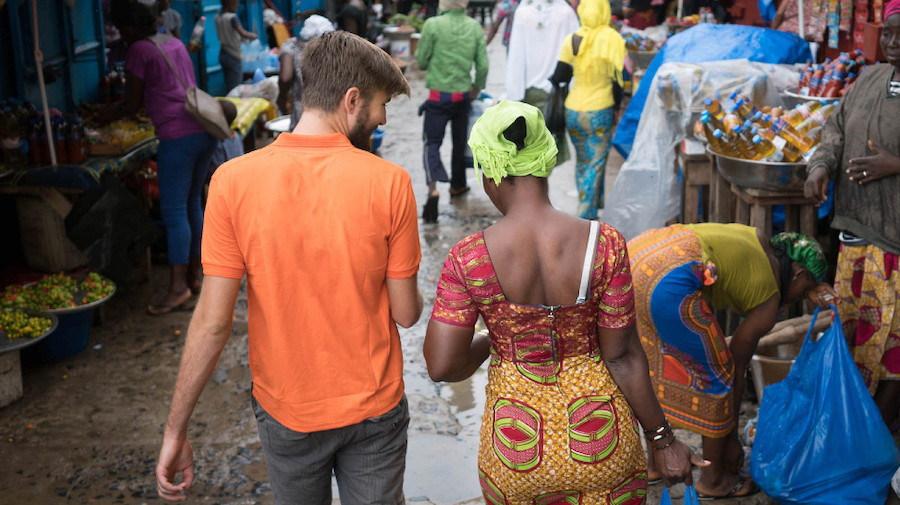
“For years,” says Taylor, “we have been going to mainstream conferences and building relationships with mainstream decision-makers.” While attending these conferences, he began to notice how well organized and omnipresent the animal agriculture lobby appeared to be:
“Over the last couple of years I’ve been trying to figure out — who is our lobby group in the movement? There’s lots of incredible organizations who have really incredible programmatic activities… but they’re advocating for their own programs. Whereas you look at the types of advocates showing up at conferences representing the Global Dairy Platform — they’re ready and willing to talk to you about anything to do with dairy.”
Taylor had encountered an important barrier: the meat and dairy industries seemed to have a strong, consistent influence on powerful decision-makers when it came to building food systems. When it came to alternative voices promoting nutritious plant-based food systems, the presence was harder to find. While he could see examples of an important “outside game,” where key decision-makers were criticized and protested against by animal protection organizations, there didn’t seem to be an accompanying “inside game” of engagement and collaborative dialogue with decision-makers that would sufficiently counter the presence of the animal agriculture lobby.
“I was curious to dig into [this problem] more, but I never would have had the capacity to do it through my organization,” Taylor told us. Taylor had a deep desire to address this barrier and understand how to better develop an inside strategy for working with global institutions, but he needed additional resources to tackle this problem.
The Faunalytics Research And What It Found
In 2025, Faunalytics decided to launch an original research study that examined the role of international organizations (such as the United Nations and World Bank) in the expansion of industrial animal agriculture across low- and middle-income countries. A key piece of this investigation involved conducting insider interviews about the factors that influence their decisions to provide financial support to the animal agriculture industry. The study aimed to provide insights into the ways animal advocates can more effectively shape the decision-making of these organizations.
The idea for this study had been developed by the research team at Faunalytics, but once the study had kicked off, the lead researcher Zach Wulderk reached out to Taylor to ask if he could provide guidance about conducting the insider interviews. As Taylor describes, “I was so excited because I was hoping that this study would form the more professionalized version of some of the research questions I had been exploring for years.” Given his experiences with key decision-makers, Taylor was able to help make introductions and also directly assist with conducting interviews to collect data for this study. This gave him an unusually deep understanding of what the data meant and how they could be used.
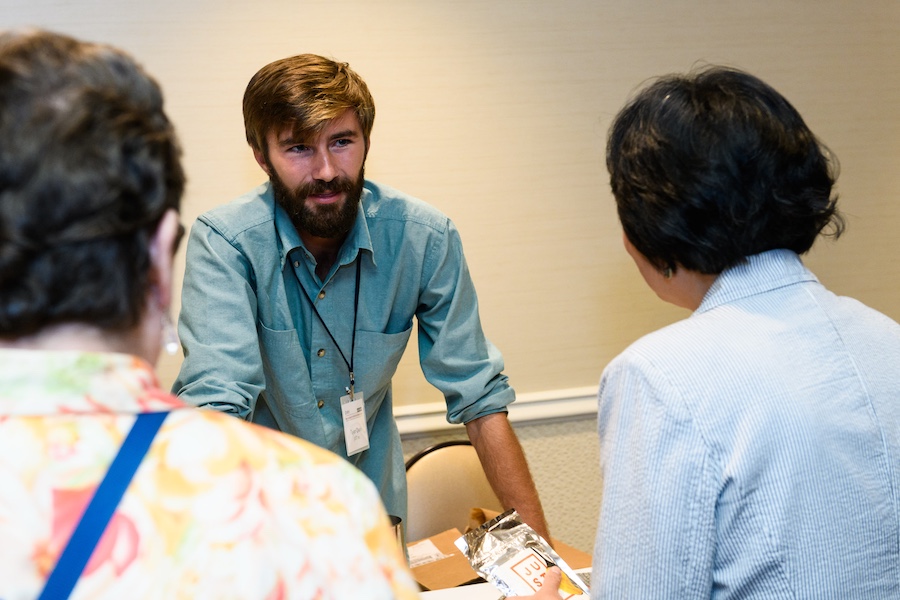
The full results of the study, along with actionable insights and recommendations for advocates can be found here. Among those findings, three in particular stood out for Taylor. First, nutrition and food security are the near universal decision-making criteria used by decision-makers, rather than animal welfare or environmental concerns. Second, building trust and relationships with key decision-makers is essential, with many decision-makers choosing to support and work with people they already know and trust. Third, and perhaps of most interest to Tailored Food, funders are not hostile to plant-based solutions, they’re just not being approached correctly. In fact, Taylor learned that many of these decision-makers are already vegan themselves! This led to an important realization that there is a gap between the personal values of decision-makers and the actual decisions being made, and highlights the exciting possibility of closing that gap.
When discussing the results and their importance to Taylor, he stated his big takeaway:
“Before the study, I had an anecdotal sense that relationships, trust, and sustained engagement were critical to influencing institutional food systems. However, the research formalized and validated those observations more rigorously.”
From Insight To Initiative — Putting The Evidence Into Action
Those findings were received differently by Taylor than a typical research reader, because he had helped generate them, and he considered all of them in combination with his previous experiences. In fact, Taylor described reading the findings of the study as a “light bulb moment… There’s a huge opportunity here,” Taylor further explained:
“I think that [the study findings] crystallized that there’s a real willingness [from decision-makers] to engage and find solutions that align with their criteria and that align with things our movement is excited about and advocating for.” — Taylor Quinn
For years, Taylor and his colleagues at Tailored Food had worked informally “on the side of our metaphorical desks” to engage in networking and relationship building with decision-makers at large international organizations who made funding decisions. But the results of the study convinced Taylor and his colleagues that this area of work was fundamentally important and needed more attention. Rather than being a small and informal project that they worked at on the side, Tailored Food wanted to make it a sustained and key pillar of their work. In August of 2026, Taylor decided to launch the Affordable Nutrition Coalition, which he describes as “a big-tent movement to redirect food systems capital toward affordable nutrition solutions rooted in animal welfare, plant-based foods, and alternative proteins.” Taylor reasons that if the meat and dairy industries have such successful lobbyists who are driving the expansion of factory farming globally by building relationships with these powerful organizations, then we need our own lobbyists in these spaces to offer an alternative.
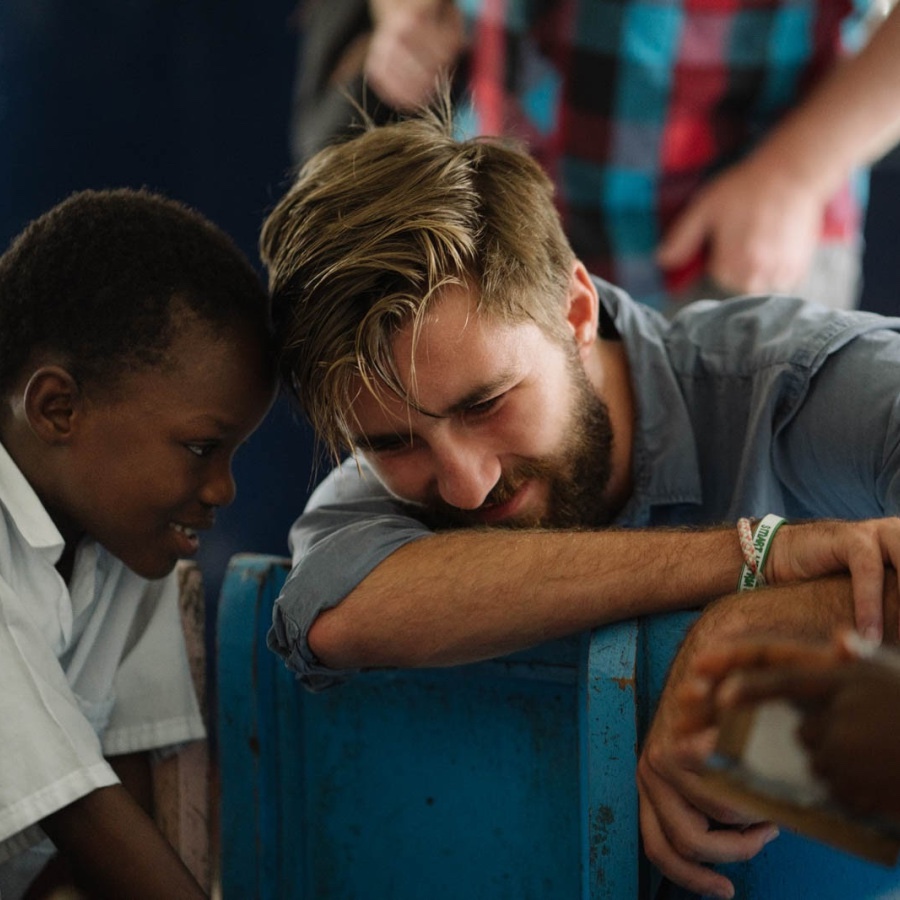
The findings of the research study provided strategic insights that influenced Taylor’s decision to launch a new Coalition, but in our conversations, it also became clear that the research report served a second important purpose: building credibility with movement leaders and funders. Referring to the study findings, Taylor stated:
“It both informed our detailed strategy but then it was this massive credibility tool. […] Faunalytics has an incredible reputation and I think people really trust Faunalytics and your rigor and approach… if I had done the same research study then people would have been like okay Taylor this is just like a more formalized version of you on your soap box. But Faunalytics being involved gives it that credibility.”
To craft his pitch, Taylor created a one-pager for funders outlining the Coalition’s scope and goals, with the Faunalytics findings as a dedicated section, giving the strategy a documented, third-party foundation. That credibility made a tangible difference: since launching the Coalition earlier this year, Taylor has raised over $270,000, and hired three part-time lobbyists, a strategic advisor, and a coordinator. In his own words, reflecting on what might have been without the research:
“I genuinely don’t think we would have been able to raise the money to create a standalone initiative if there wasn’t third-party credible research that formed the foundation for the new initiative… I think we would have continued to kind of putter away as like a ‘oh this is something we’d like to maybe do in the future’ but I don’t think it would have turned into an established initiative without this research.”
This stood out to us as a really important finding from this case study: Research can be used in multiple ways depending on an advocate’s needs. In this case, one piece of research was being used in two highly impactful ways: to inform strategic decision-making, and to build credibility with funders and movement leaders.
The Coalition In Action — Using Research To Build A Strategic Blueprint
As the work of the Coalition continues to build, we’ve learned that the research didn’t just help launch the Coalition and it didn’t just help to build credibility — it’s also being used to continue shaping their strategic decisions. According to Taylor, the research is “the framework in which we are making all our decisions.” Taylor described two specific design choices in the Affordable Nutrition Coalition that map directly onto specific research findings:
Reframing The Movement’s Language
The findings documented in the research report showed that mainstream funders care about nutrition and economic development, not animal welfare. The Coalition has now taken that key finding and used it to inform one of their core activities: helping member organizations rewrite their materials to be more aligned with funders’ values. Taylor explains:
“Right now we are working with the initial cohort of coalition members… to rewrite their materials focused on nutrition and economic development outcomes… and this is a very new insight for these organizations.”
One key insight that Taylor described is that so many advocates in our movements share goals with these global funders, but they tend to speak with completely different vocabularies, so their shared interests don’t come through. By reframing messages, Taylor’s hope is to support advocates to better make connections and build deeper relationships.
“I asked each of the panelists to introduce themselves to the room as if everyone in the room hated veganism and they weren’t allowed to talk about vegan, plant-based, animal, any of that stuff… And the pitches were really compelling — they were basically the same pitches just with different words.”
Building Relationships As The Core Strategy
The key finding that funders almost always support people they already know also drove the Coalition’s relationship-first approach and its conference attendance strategy. In 2026, they plan to send trained coalition members to key convenings that include New York’s Climate Week, the Africa Food Systems Forum, and the UN FAO World Food Forum, among others. This provides incredible opportunities for building the kinds of trust and connections that we know influence key decision-makers and funders. As Taylor puts it, the mechanics of relationship-building are simpler than you might expect: “Just repeated interaction, nothing fancy.”
What This Means For Faunalytics And The Movement
We conduct case studies to better understand how research is used by advocates and what kind of difference it can actually make in practice. This one surfaced a lesson that we think extends well beyond Tailored Food and the Affordable Nutrition Coalition: there’s a meaningful difference between intuiting something and having it documented.
Taylor had spent years in rooms with the decision-makers this research was about. He had seen firsthand that funders were more open to alternatives than the movement assumed. He knew, from his own experience, that relationships and trust were what moved capital. But an anecdotal sense, even a well-informed one built over a decade, can only get you so far. It can sharpen your instincts and guide your conversations, but it can’t anchor a funding pitch, and it can’t convince a skeptical funder that a new initiative is worth backing. The Faunalytics research helped to convert those instincts into documented, third-party evidence.
As Taylor described it, the research provided “the final puzzle piece in all sorts of other theory of change work that then enabled everything.” The Coalition that now exists — with dedicated staff, a growing list of coalition members, and a fall conference season already underway — might have simply remained a side project, an idea Taylor and his colleagues worked on informally when they had time. It took rigorous, credible research to make it a real initiative that they could launch.
There’s another important lesson for us about how this research came to exist in the first place. Taylor’s long-standing relationships with key decision-makers gave the Faunalytics research team access to insider interviews that would otherwise have been very difficult to secure. In that sense, the research itself was a product of co-creation: Taylor’s advocacy experience and relationships combined with Faunalytics’ research rigor to produce something neither could have produced alone. This model of research co-creation, where researchers and advocates work together to produce actionable research, is one we’re excited to continue building upon. When advocates help shape research questions and contribute to data collection, the research is more likely to speak directly to the real barriers they face. In turn, research that speaks to real barriers is research that actually gets put into action.
Is there a question nagging at you in your own work? A barrier you keep running into, a gap in the evidence that’s holding your strategy back, a solution that you wonder about? If so, we’d love to hear about it. We are excited to continue co-creating impactful research in close collaboration with advocates, and most often, that starts with a conversation.