Impact Case Study: How All Animals Thailand Used Faunalytics’ Office Hours To Strengthen Its Advocacy


For an organization like Faunalytics, case studies help us understand how advocates use our research and services in practice, and what we can learn from their experiences to improve the support we provide. In this case study, we wanted to understand how All Animals Thailand (AAT) used Faunalytics’ Office Hours Program, and what their experience could teach us about providing useful, timely research support.
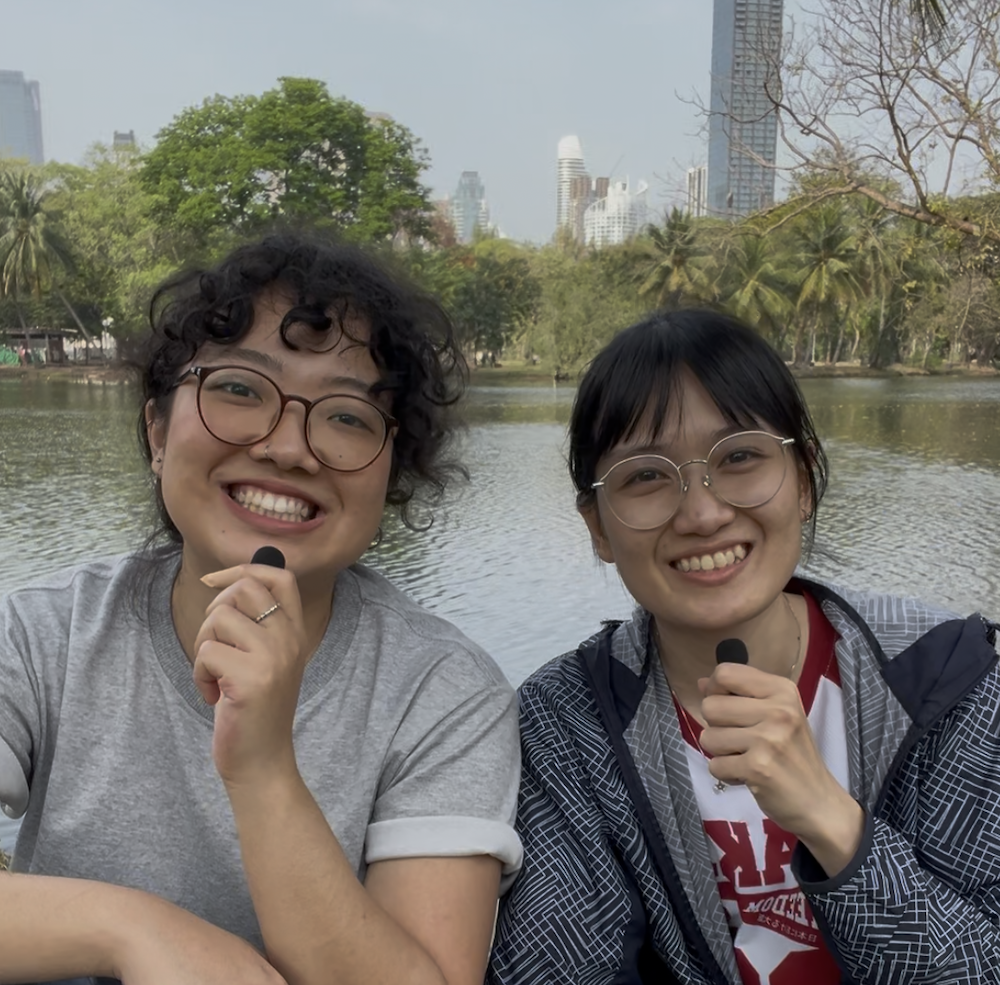
Pichayapohn “Aim” Ritkampee is the Co-Founder and Project Lead at All Animals Thailand, a grassroots organization that raises awareness about plant-based diets and animal rights through social media and in-person activities.
A Local Question With No Easy Evidence Base
In late 2024, Aim was participating in the Kickstarting for Good incubator program while working on a grassroots advocacy project in Thailand. The team wanted to make more informed decisions about its advocacy, but there was little locally relevant evidence to guide them.
A mentor in the program suggested conducting audience research to help fill that gap. Aim wanted to understand Thai people’s interest in plant-based eating, what might make change difficult, and what kinds of support people would find useful. Those insights could then help the team make decisions about its messaging, content, and other advocacy activities.
Aim spent a few days developing a draft questionnaire covering food choices, interest in plant-based eating, barriers, support needs, knowledge, and social context. She knew what she wanted to learn, but she was less certain about how to turn those information needs into strong survey questions. That was the draft she brought to Faunalytics’ Office Hours.
How Office Hours Made The Research More Practical
Faunalytics’ Office Hours provides animal advocates with direct access to our research team for tailored guidance on specific research questions or challenges. Rather than offering one-size-fits-all advice, the conversations are shaped around what an advocate is trying to understand or accomplish.
For Aim, that challenge was her draft questionnaire. She had limited time and research experience in diet behavior, and wanted to make sure the questionnaire would capture the information All Animals Thailand actually needed.
During the session, Faunalytics Research Scientist Dr. Andrea Polanco reviewed the questionnaire with her and pointed her to existing survey questions on the Faunalytics website that had already been used and tested. That gave Aim a useful reference point for refining what she had already written and adapting relevant questions to her project and the Thai context.
One example was a question about food consumption. Aim wanted to understand what kinds of food people were eating — whether their diets included a lot of meat or whether they were already eating more vegetables — but she found it difficult to translate that broad idea into a clear survey question. During Office Hours, Andrea reviewed the questionnaire with her, considering whether the questions were clear, comprehensive, and likely to capture what Aim actually wanted to know. Andrea then helped her identify a more specific way to measure food consumption. In the final questionnaire, instead of asking respondents broadly whether they ate “a lot” of meat or vegetables, Aim asked: “Which of the following types of food have you eaten in the past 3 months? Please select all that apply.” Respondents could then choose from specific categories including chicken, pork, beef, fish, other seafood, other meat, dairy products, eggs, honey, insects, vegetables, and fruits.
“The support she gave was customized. I could explain what I was looking for, and she was able to offer the exact help that I needed.” — Aim Ritkampee
Aim also reflected that, without that support, developing the questionnaire would’ve taken “much, much, much longer,” and she believed the quality of the survey questions would’ve been lower. That customization mattered. After spending a few days drafting the questionnaire and then meeting with Andrea, Aim said it was essentially ready to go. She also believed the support reduced the risk of discovering later that a question hadn’t worked as intended and having to repeat the research.
“Without the ability to just drop in and ask exactly what I wanted, finding the exact type of support I needed would have taken so long. Talking to someone with expertise who could give me exactly what I needed was really unique and really important for me.” — Aim Ritkampee
Aim returned to Office Hours a second time with a broader strategy question: could social media engagement translate into real-world action? That conversation reinforced something she already believed was important — that advocacy in Thailand needed to be designed around local audiences and their needs, rather than simply replicating approaches that had worked elsewhere.
From 221 Responses To Concrete Advocacy Actions
Aim shared the finalized survey through social media and personal online networks, ultimately receiving 221 responses. While the findings can’t represent everyone in Thailand, they gave All Animals Thailand something it hadn’t had before: direct information from the specific audience they hoped to reach.
The data and insights provided in those responses helped to directly inform important changes in All Animals Thailand’s strategy. For example, their results showed that one of the more commonly reported barriers to eating plant-based meals was not knowing how to cook with plant-based products. Aim said that finding gave the team a practical direction: if cooking was getting in the way, sharing cooking content was something they could try. All Animals Thailand subsequently added cooking videos to its social media content.
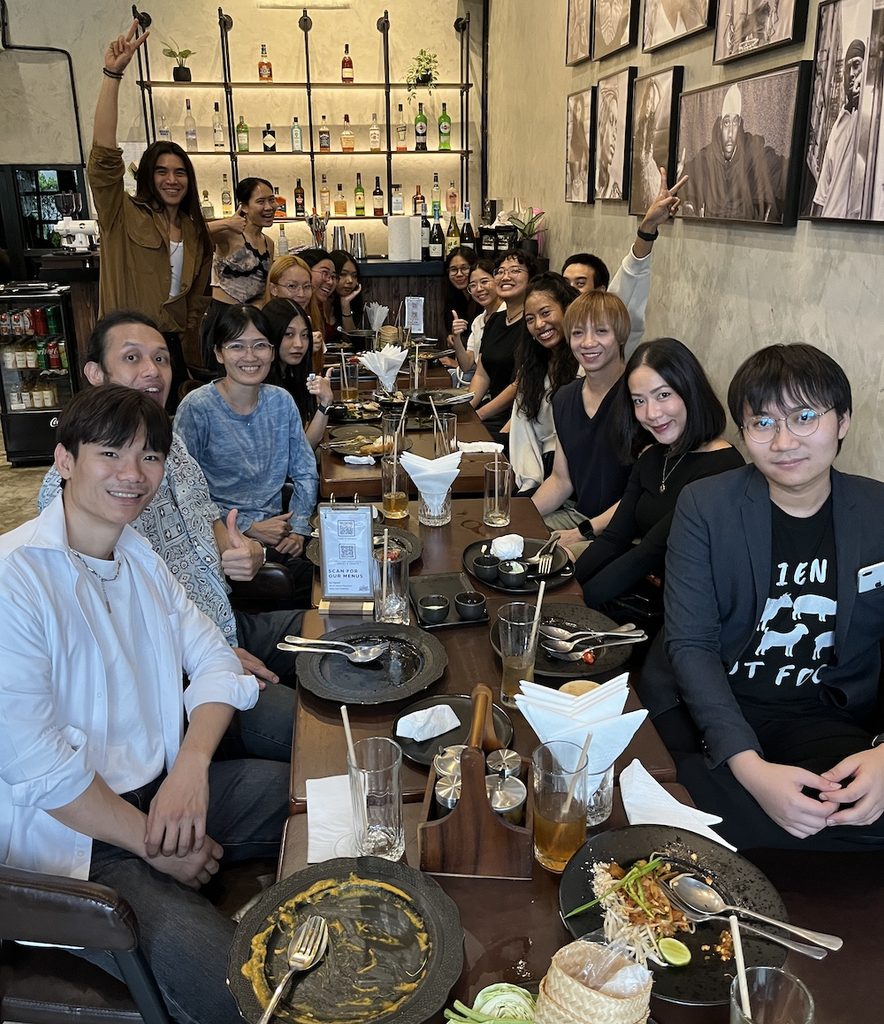
The research findings also pointed to a social barrier: some respondents lacked a supportive community around plant-based eating (a trend we’ve also identified in our own research on this topic). The questionnaire specifically asked about “lack of supporting community” as a barrier and about the need for more social support from family and friends. In response, All Animals Thailand created opportunities for people in Thailand to connect around plant-based food. Online, the team developed a social media campaign where people could share the plant-based meals they were eating, giving participants a way to see and engage with others making similar choices. Offline, they organized an in-person meetup where people could share vegan food and connect face-to-face. Together, these activities were intended to make plant-based eating feel less isolated by creating spaces for connection both online and in-person.
These examples show why the audience research mattered beyond the questionnaire itself. The findings gave AAT specific needs to respond to, and helped turn audience feedback into concrete advocacy activities.
The research also informed the team’s broader thinking about its strategy. Instead of choosing activities based only on what seemed promising, AAT now had information from its intended audience that it could use alongside its own local knowledge and experience.
The Research Became Part Of How They Work
This first use of audience research was not the end of the learning process. About six months after launching the project, All Animals Thailand surveyed its existing followers and reused some of the questions from the original audience research. This time, the team was learning specifically from people already engaging with its work rather than from a broader potential audience.
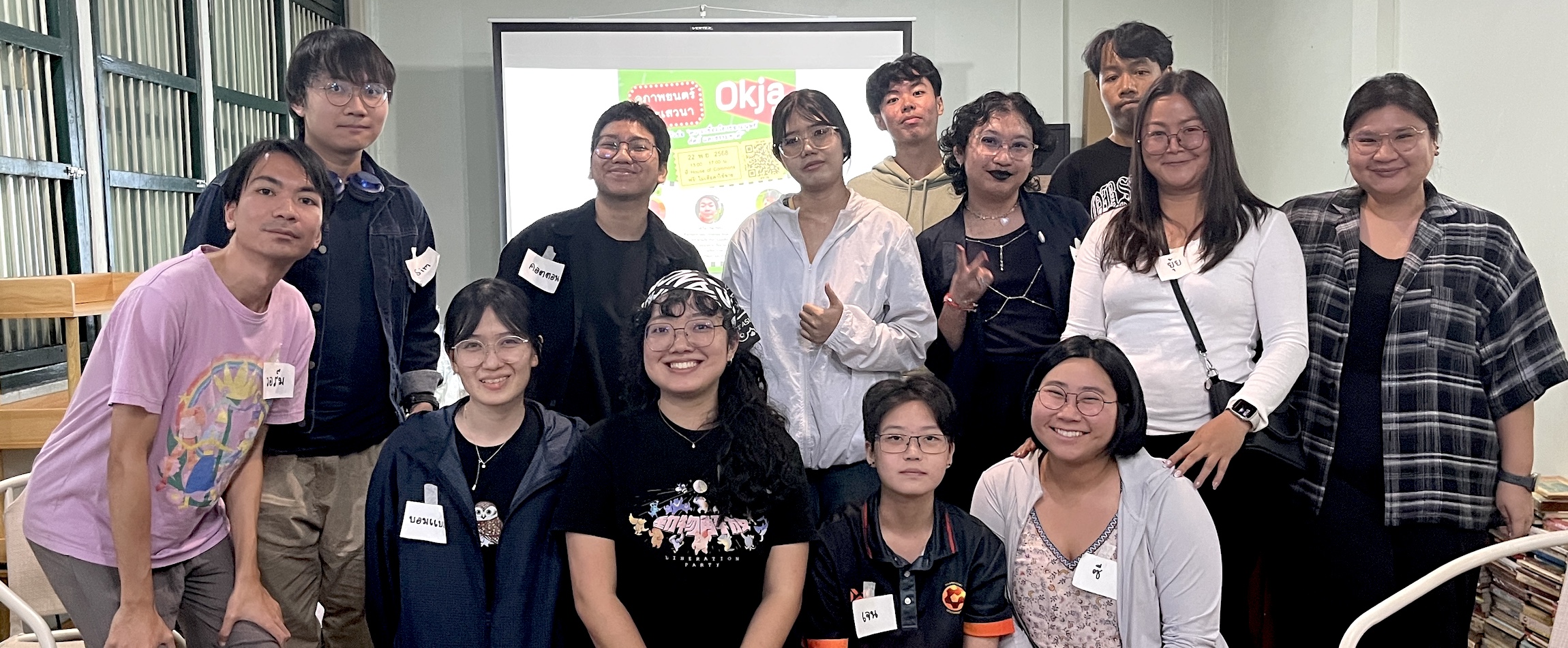
One area that became increasingly important was community support. The original audience research had already shown that people wanted more opportunities for connection. Today, based on data they’ve gathered, AAT is putting more emphasis on in-person and community-based activities, including plans for at least two collaborative events in 2026 focused on animal agriculture, plant-based eating, and the environment.
That change wasn’t driven by the research alone. Aim explained that capacity also shaped the decision: the organization couldn’t sustain its social media work at the same level, while community-based activities were something the team felt able to continue.
The bigger story, then, isn’t that one survey led to one program (or program change). It’s that understanding their audience’s needs, acting on what they learned, and checking in again became part of how AAT approached its work. For Aim, using research did not mean moving away from a grassroots approach. Instead, it strengthened that approach by helping the team systematically learn what its own community needed and use those insights to guide locally relevant interventions.
What Other Advocates Can Take From This
All Animals Thailand’s experience offers a few practical lessons for advocates who want to use audience research without having an in-house research team:
- Start with the challenge, even if the questions aren’t clear yet: You do not need to arrive with a fully formed research question. Knowing the problem you are trying to solve, the project you are considering, or what you are uncertain about can be enough. Research support can help clarify what questions are worth asking and what information would be most useful.
- Use existing research tools and ask for help early: Tested questions and expert feedback can strengthen a questionnaire before problems become much harder to fix.
- Turn what you learn into action, then keep listening: Research is most useful when findings inform what advocates actually try, and when they continue checking in with their audiences as their work evolves.
You Don’t Have To Figure It Out Alone
For small advocacy organizations, research can feel like one more job added to an already full plate. You may know useful evidence exists, but not know where to find it, which questions to ask, or whether the research you are planning will actually give you the information you need.
For Aim, one of the most valuable parts of Office Hours was simply having somewhere to take those questions.
“It really actually helped me feel like, okay, I’m not alone in this vast ocean of information. I know that there’s something out there, I just need to find it. The Office Hours was the perfect place to start.” — Aim Ritkampee
That’s what Faunalytics’ Office Hours can offer: free, practical research support that builds on advocates’ knowledge of their own communities.
Ultimately, AAT’s journey shows that evidence-informed advocacy doesn’t require complex systems or extensive resources. It can start simply with the right questions, asked at the right time. You can learn more about All Animals Thailand and its work to support animals and plant-based advocacy in Thailand.
If you have a research, survey, or strategy question of your own, you can bring it to Faunalytics’ Office Hours. If you are planning audience research, you can also explore our recommended survey questions.